
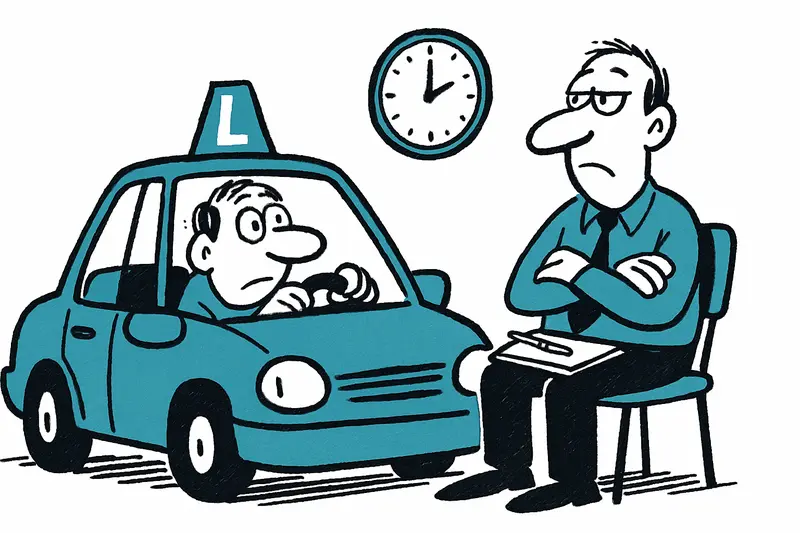
Exam backlog in the Balearic Islands: 7,000 driving students waiting — why are examiners missing?
Around 7,000 driving students in the Balearic Islands are waiting months for an appointment for the practical driving test. Causes: too few examiners, unclear criteria and seasonal bottlenecks. What helps short-term, what needs structural change?
Waiting, practicing, postponing: the driver's license backlog becoming everyday life on the islands
When in the morning the motorcycles roll along the Avinguda Jaume III and the smell of freshly brewed coffee drifts through the streets, somewhere a young person is sitting and waiting for a call: the appointment for the practical driving test. Currently around 7,000 driving students are on waiting lists in the Balearic Islands — a number that is noticeable like a quiet ticking in offices, households and driving schools.
The raw numbers and what they obscure
The problem is not surprising for those who know everyday life: association president Juana Ribas calls the cause by name — examiners are missing. At the moment only 16 examination staff are active across all islands. Driving schools estimate that at least six more people would be needed to roughly halve the waiting times, as detailed by Driving Schools in Mallorca Under Pressure: Only Around One Third Pass the Practical Test. For those affected this means: paying for more driving lessons, postponing vacations, taking time off work or practicing again at night in town when a side-job shift is over.
A few figures are enough to explain the frustration, but they conceal two things: first, the burden does not affect everyone equally — someone living in Palma may have more flexibility than someone from a mountainous village in the Tramuntana. Second, there is the question of whether the tests are really stricter than on the mainland. This accusation circulates repeatedly and hits doubly: long waiting times plus a higher failure rate, as reported in Only One in Three Passes: Why the Driving Test in the Balearic Islands Rarely Succeeds on the First Try.
The central question
The guiding question is: How can waiting times, quality and fairness of the exams be ensured at the same time — without thousands of people being held up for months? This is not merely a technical question, but one of staff shortages, organization and also political prioritization.
What is often left out
The debate is dominated by two points: more examination staff and digital appointments. Both are true — but they are not enough. Hardly discussed is why recruiting examiners on the islands is so difficult. Reasons that are rarely spoken aloud: low pay or insufficient allowances for island duties, housing situation and commuting between islands, as well as the seasonal spread of demand due to tourism and returning residents. Also relevant are bureaucratic hurdles in the training and accreditation of new examiners.
Another often overlooked point is the distribution of appointments. Tests are concentrated in larger towns — those in small municipalities are dependent on longer drives to test centers. This increases the workload for examiners and affects road safety equally.
Concrete and feasible approaches
Actively recruit personnel: Targeted campaigns, better financial incentives for examiners and flexible part-time models could provide many additional hours in the short term. A position in Palma becomes more attractive if travel costs, housing subsidies or bonuses are offered.
Mobile examination teams: Mobile testing units that travel to rural communities or are increased seasonally could reduce travel and improve distribution. Such teams may sound bureaucratic but would be practical: one examiner goes to Sóller for a week, the next to Llucmajor — residents save time and examiners get clear routes.
Better appointment allocation and transparency: A digital reservation system with real-time information about available slots would reduce frustration; the DGT official page on driving tests shows how centralized information can help candidates and administrators.
Standardization of testing standards: If exams are not comparable across the region, distrust arises. Uniform evaluation forms, joint training for examiners and regular quality checks would help to counter claims of stricter assessment, in line with European Commission road safety recommendations on harmonized approaches.
Coordination between driving schools and the exam authority: Closer exchange about readiness for tests, mock exams and additional training when failure rates are high can help avoid repeats — and thus relieve new waiting lists.
The consequences of doing nothing
Without measures, the burden remains with those affected: parents who pay for extra lessons; employees who cannot be flexible; businesses in rural areas that depend on driving skills. And in between driving schools, which often have to manage more administration than actual driver training. The sound of a honking taxi in front of the hospital, the quiet conversations in a bar on the Plaça Major — these everyday scenes suffer under a chronically overloaded examination system.
Outlook
No revolution is needed, but a mix of personnel policy, organization and a bit of human consideration. In the short term, financial incentives and mobile teams provide relief. In the medium term, standardization and digital transparency help. The challenge remains to motivate those responsible to act — in a way that people on the ground notice: less waiting, less uncertainty, more rhythm of life instead of an endless holding loop.
In the end it's not just numbers: it's people who practice again on the coastal road at night, parents who save for driving lessons, and examiners who sometimes rush between appointments. A bit of planning, more staff and an open ear would make a big difference here.
Frequently asked questions
Why is there such a long wait for driving tests in Mallorca?
How many driving students are waiting for a test in the Balearic Islands?
What can I do while waiting for a driving test date in Mallorca?
Are driving tests in Mallorca harder than on the mainland?
What would help reduce the driving test backlog in Mallorca?
Why is it harder to recruit driving examiners for Mallorca?
Do learners in rural Mallorca have a harder time getting a driving test?
What are the consequences of the driving test backlog for people in Mallorca?
Similar News
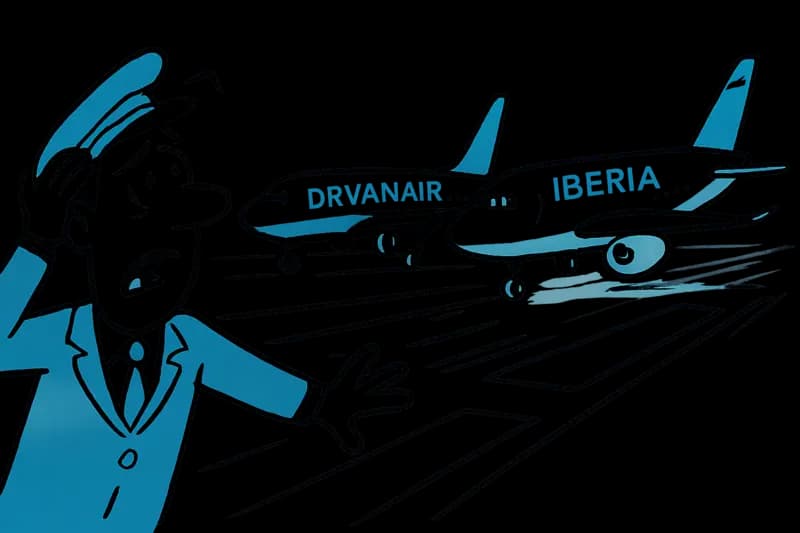
Near-miss on Lanzarote: Landing Ryanair Jet and Iberia Takeoff — what really went wrong
On Lanzarote there was a dangerous incident: A Ryanair flight (FR5910) from Dublin landed on runway 03 while an Iberia E...

Eurowings introduces new Premium Business seats on Mallorca routes
From December 1, selected Eurowings flights to Palma and other destinations will feature eight particularly generous sea...
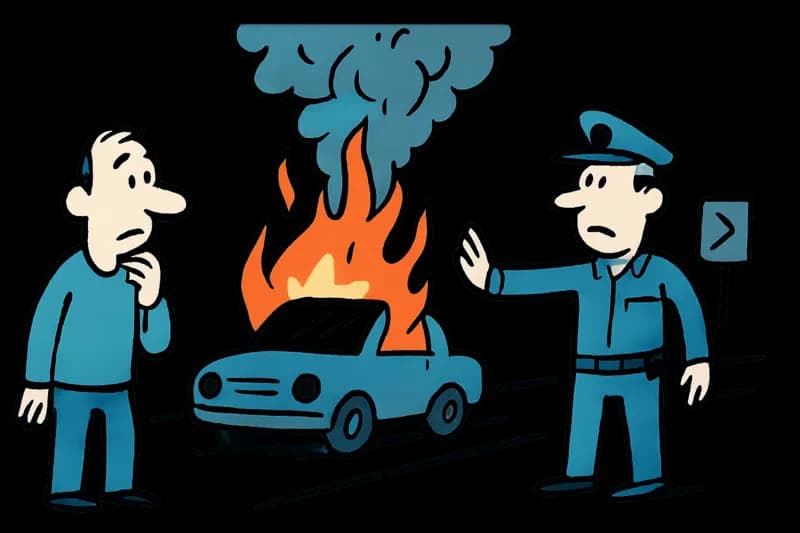
Car on MA-13 near Inca in flames – a safety check for the island
A vehicle caught fire on the MA-13 towards Alcúdia on Tuesday afternoon. The driver was uninjured, the car was destroyed...

Real Estate in Mallorca: Fewer Buyers, Higher Prices — What's Behind It?
Sales on Mallorca are falling, yet prices continue to climb. Why fewer transactions do not equal relief — and what shoul...
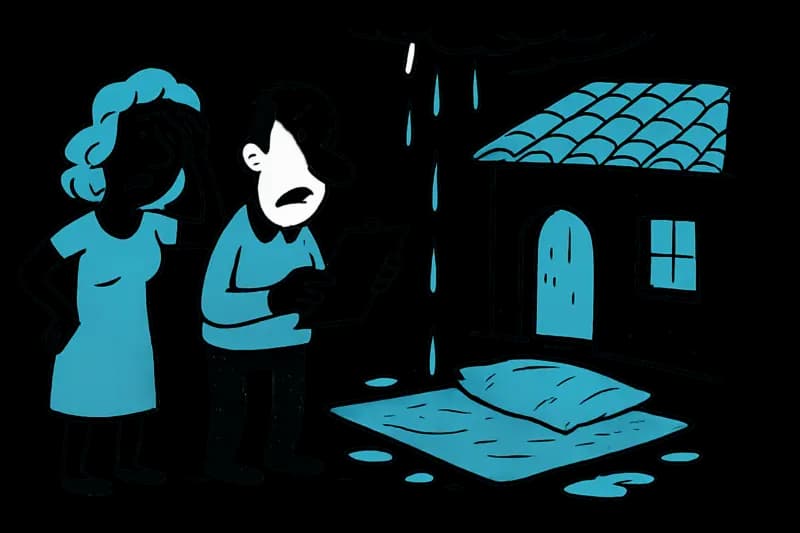
Just Bought — Already Trouble: Water Damage in the Heiters' Villa and What Owners in Mallorca Should Know Now
A newly purchased sea-view property — and within days a water damage. What risks lurk in new properties in Mallorca, and...
More to explore
Discover more interesting content

Can Cap de Bou

Townhouse Lleo 72
