
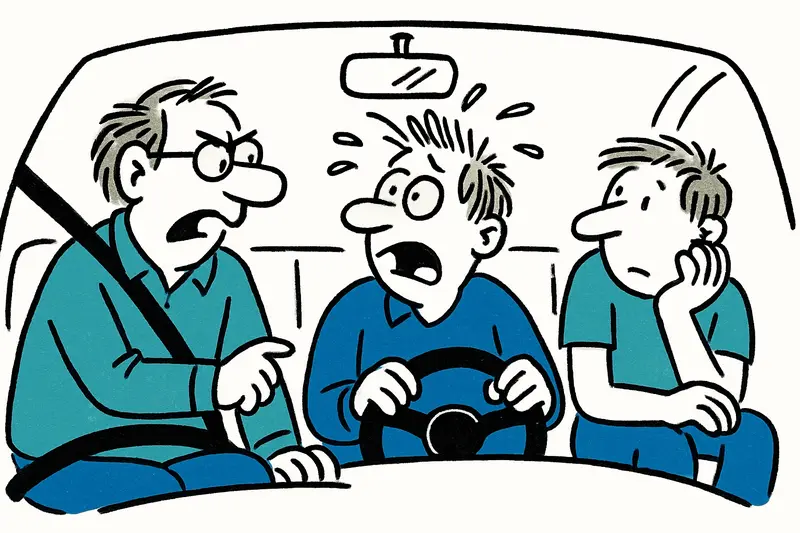
Driving Schools in Mallorca Under Pressure: Only Around One Third Pass the Practical Test
Only about 36% pass the practical driving test on the first attempt. Between crash courses, examiner shortages and high living costs, a downward spiral threatens — what does this mean for road safety and the driving school industry in Mallorca?
Why do so many fail — and what does it mean for Mallorca?
Last week, a traffic light phase at the Plaça de Cort: two young people argue quietly while the buzz of a scooter slices through the heat. "I wanted to do it in the summer," one says, "but the test was a nightmare." This is not an isolated case. Current figures show: only around 36 % of candidates pass the practical driving test in Mallorca on their first try, according to Only One in Three Passes: Why the Driving Test in the Balearic Islands Rarely Succeeds on the First Try. The central question is: is this merely a statistical annoyance — or a warning sign for road safety, training quality and working conditions on the island?
More than nerves — an overview of the causes
The answer is complex. At first glance many causes seem banal: too little driving practice, nervousness, poor preparation. But digging deeper reveals a web of economic, organisational and social factors.
1) Market logic versus quality: Low-cost providers advertise quick appointments and low prices. That sounds appealing to holiday drivers and young people on tight budgets. The flip side: those allowed to take the test early often lack the necessary routine — and fail. For reputable schools it is doubly bitter: they invest in thorough training and lose customers to faster providers.
2) Shortage of examiners and cost of living: The examination authority currently names about 16 examiners plus two coordinators for the Balearics. This figure is reported in Exam backlog in the Balearic Islands: 7,000 driving students waiting — why are examiners missing?. That sounds like enough, but it seems thin when seasonal peaks are added. Some examiners complain that high monthly rents — often around €1,500 for a standard flat — and living costs make the island unattractive for civil servants. The result: fluctuating appointments, overloaded exam schedules, stressed examiners and increased error rates among candidates. There have even been incidents during tests, such as an instructor stopped for alcohol on the motorway, as detailed in Driving test on the Arenal motorway halted: instructor tested positive for alcohol — who protects the test-takers?.
3) Language and mixed target groups: Mallorca is international. Many learners speak only rudimentary Spanish or Catalan; some are temporary residents. Linguistic misunderstandings during preparation or the exam interview are a factor rarely discussed publicly.
4) Mallorca's traffic reality: Narrow old-town streets, roundabouts on the Passeig del Born, floods of motorcycles and scooters in summer months and mountainous roads in the Serra de Tramuntana UNESCO World Heritage listing demand different skills than flat city driving. Tests that do not sufficiently simulate these conditions do not always measure everyday-relevant competencies.
What is not being given enough attention?
The public debate often lacks a structural perspective: the pass rate is not a pure quality indicator of driving schools; it also reflects administrative capacity, seasonal shifts and economic incentives. Also little discussed is the role of digital teaching tools. Simulation training and structured lessons in traffic-heavy situations could make a big difference but are not used uniformly.
Concretely: opportunities and solutions
The low pass rate does not have to be fate. Some practical steps could ease the situation and improve road safety in the long term:
- Minimum hours regulation or quality framework: A legal minimum number of practice hours is controversial — but a binding quality framework with clear learning objectives per lesson would help. For official requirements see DGT practical driving test requirements. Instead of just counting hours, competencies should be tested: roundabout handling, mountain roads, reversing parking under stress.
- Quality seals and transparency: A public register with verified success rates, certified equipment (e.g. simulators) and mandatory continuing education for instructors would make it easier for consumers to choose and dampen price competition.
- Strengthen examiners, not just hire more: More examiners are important — but equally important are better working conditions: part-time models, exam centres with accommodation support in seasonal peaks and flexible duty rosters could increase attractiveness.
- Together instead of against each other: The traffic authority and driving schools should jointly develop mandatory modules for problematic situations (mountain terrain, roundabouts, night driving). Pilot projects where several schools share simulators could relieve smaller providers.
- More practice where it counts: Learners should be required to complete practical hours in real traffic conditions — not just on practice lots. Support programmes for socially disadvantaged candidates would prevent only well-off people from getting thorough practice.
Tips for new drivers
If this all sounds theoretical, here are pragmatic steps: ask questions — about pass rates, instructor experience, and whether the school in Palma, Manacor or Inca prepares students for roundabouts and narrow old-town streets. Practice especially in worse conditions: rain, evening traffic, hill starts. And plan a financial buffer — nervous candidates usually need more time on the clock and often a second test.
In the end it is reassuring: the problems are visible and therefore solvable. If Mallorca brings driving schools, examiners and authorities together, an alarm can become an opportunity — for safer traffic, fairer training and fewer sleepless nights before the test. The sea rustles, the mopeds hum, and somewhere in Portixol a driving instructor will teach a young person how to master a narrow alley confidently. That is exactly where to start.
Frequently asked questions
Why do so many people fail the practical driving test in Mallorca?
What should I practice before taking a driving test in Mallorca?
Is summer a bad time to take a driving test in Mallorca?
What kind of roads make driving in Mallorca challenging for learners?
Should I choose a cheap driving school in Mallorca?
Why are driving test appointments delayed in Mallorca?
Do language barriers affect the driving test in Mallorca?
What can Mallorca do to improve driving test pass rates?
Similar News
Near-miss on Lanzarote: Landing Ryanair Jet and Iberia Takeoff — what really went wrong
On Lanzarote there was a dangerous incident: A Ryanair flight (FR5910) from Dublin landed on runway 03 while an Iberia E...
Eurowings introduces new Premium Business seats on Mallorca routes
From December 1, selected Eurowings flights to Palma and other destinations will feature eight particularly generous sea...
Car on MA-13 near Inca in flames – a safety check for the island
A vehicle caught fire on the MA-13 towards Alcúdia on Tuesday afternoon. The driver was uninjured, the car was destroyed...

Real Estate in Mallorca: Fewer Buyers, Higher Prices — What's Behind It?
Sales on Mallorca are falling, yet prices continue to climb. Why fewer transactions do not equal relief — and what shoul...
Just Bought — Already Trouble: Water Damage in the Heiters' Villa and What Owners in Mallorca Should Know Now
A newly purchased sea-view property — and within days a water damage. What risks lurk in new properties in Mallorca, and...
More to explore
Discover more interesting content

Can Cap de Bou

Townhouse Lleo 72
