
675 Kilos of Cocaine: What the Find Means for Palma, Inca and Binissalem
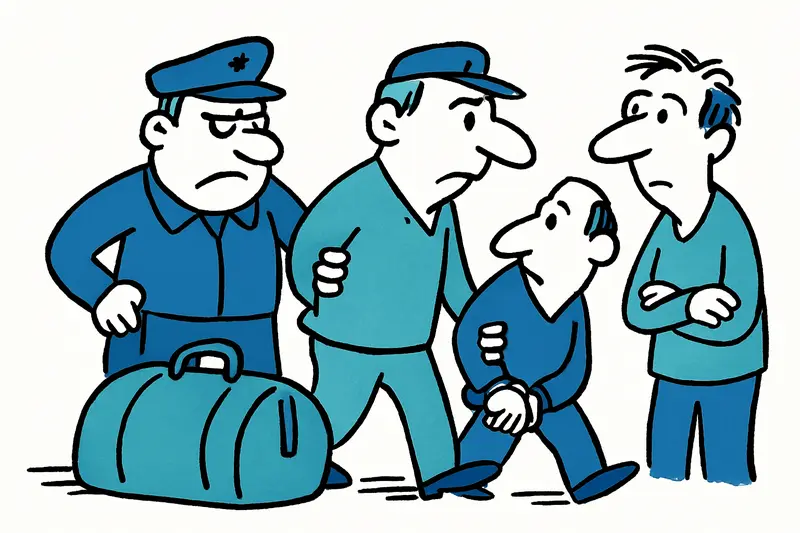
The discovery of 675 kg of cocaine aboard a freighter triggered raids in Palma, Inca and Binissalem. Nine people are in custody — the investigations raise more questions than they answer.
Major haul and subsequent raids: An island asks who fills the gaps
In the morning, when the church bells on the Plaça Major slowly fade and espresso cups still clink, you can feel the nervousness: conversations fall silent, eyes follow the police cars winding through narrow streets. The trigger is not an ordinary crime, but a find that is unusual in its scale and consequences: around 675 kilograms of cocaine, discovered at sea aboard a freighter. The waves did not betray the cargo — people and structures did in the end.
Central question: How could so much cargo pass by the island?
The investigations led to raids in Palma, Inca and Binissalem; nine people are in pre-trial detention, as detailed in Drugs, Millions and Suspected Abuse of Office: What the Major Operation in Mallorca Reveals. Among them are reportedly a lawyer and a senior official. The headline is brutally simple, but the main question remains: Who enabled the transports — and where in the system are the gaps?
The picture that is slowly emerging is heterogeneous: 675 kilos is almost industrial level; there was also 1.2 million euros in cash, another 11 kilos, vehicles — this does not point to lone actors but to a network with resources. In Mallorca, where port logistics, tourist flows and local supply chains are closely intertwined, this means several points of contact where controls can fail or be bypassed.
Aspects rarely discussed openly
In cafés between Inca and Binissalem you hear not only worries but also questions of understanding: How easily can freighters, subcontractors or shipping documents be manipulated? How great is the pressure on small local service providers when mafia groups build networks? And: what role does money laundering through property purchases, wineries or luxury vehicles play — sectors that thrive on the island?
Another often overlooked point is trust in public institutions. When representatives of the judiciary or the police come under suspicion, it affects everyone's trust. In small towns neighbors sit close; rumors spread like the summer wind through the olive groves. That paralyzes the willingness to give tips — out of fear of reprisals or social exclusion.
What investigators are doing — and what else is needed
Authorities are evaluating phone connections, account movements and vehicle traces, as was the focus in Operation 'Chanquete' in Palma: A Clampdown on Trafficking — and What's Still Missing. This is tedious, often months-long detective work. Cross-border cooperation is important: radar and port surveillance, exchange with ports on the mainland and Central Europe, and maritime controls around Ibiza and Mallorca.
At the same time the island needs preventive measures: better control of shipping documents and subcontracting, stricter checks on large cash transactions, more transparent monitoring mechanisms in ports — without paralyzing logistical operations. Also: protection for whistleblowers, anonymous tip lines for local observations and more resources for financial investigations that can trace money flows to shell companies.
Opportunities for the community
Something positive can also grow from this crisis: the debate about security and transparency becomes loud and public. Town halls, port operators, police and civil society can now develop standards together. In Binissalem, where the grapes ripen and neighbors meet at the weekly market, there is a palpable will to maintain the image of a safe community. Such local alliances — neighborhood patrols, information evenings on the Plaça, cooperation with farmers and transport companies — can strengthen trust in the long run.
Pragmatically, upgrading digital reporting also helps: simple, secure reporting apps, hotline hours that suit port workers, and regular transparency reports from authorities. These are not magic solutions, but tangible steps that can also counter the feeling of insecurity.
What matters now
The investigations will take time. For residents of Palma, Inca and Binissalem: stay alert, do not speculate, but also do not stay silent. A phone call can be a piece of the puzzle. And for politicians: name and close the gaps before they are used again.
We will continue to follow the investigations and report when puzzle pieces become clear connections — with an eye on what keeps the island stable and safe: functioning controls, transparent authorities and a neighborhood that talks to one another.
Frequently asked questions
What does the 675-kilo cocaine seizure mean for Mallorca?
Why are Palma, Inca and Binissalem being searched in the investigation?
How can cocaine be moved through Mallorca without being detected?
What should residents in Mallorca do if they have information about drug trafficking?
Is money laundering a concern in Mallorca’s property and luxury sectors?
Why does a major drug case affect trust in Mallorca’s institutions?
What are investigators checking after the cocaine seizure off Mallorca?
What can Mallorca do to prevent similar trafficking cases in the future?
Similar News

Release after bloody attack in Palma: Why the court's decision raises questions
An 18-year-old who allegedly inflicted a serious neck injury on a man at Plaza Gomila using a wristwatch wrapped around ...
Kidnappings in Inca: Three young men forced into car trunks and abused in the forest – a reality check
In Inca, three 18-year-old men were forced into car trunks by masked assailants at the Plaça des Bestiar, taken to a for...
Spreading Massification: The Brake That Still Has Much Work to Do
Marga Prohens announces limits on volume tourism. The measures sound harsh — but are they enough to save everyday life, ...

Through the Keyhole onto the Party Yacht: How Daniela Katzenberger Is Planning Her 40th on Mallorca
Daniela Katzenberger turns 40 and wants to celebrate it on the island — likely with a boat, cake and her mother. A relax...
By Boat Instead of the Road: Palma's Water Bus — a Reality Check
The 'Bus Nàutic' launches in two stages — but questions remain over interim operations, fares and environmental requirem...
More to explore
Discover more interesting content

Can Cap de Bou

Townhouse Lleo 72
