
New safety system for trains in Mallorca – lots of technology, open questions
New safety system for trains in Mallorca – lots of technology, open questions
The Balearic government presents a new safety system for rail transport. Gaps remain between the announcement and everyday station life — especially regarding staff, transparency and the implementation timetable.
New safety system for trains in Mallorca – lots of technology, open questions
Key question
Is a technical system alone sufficient to increase safety on Mallorca's railways when employees at the train company SFM are still threatening strikes?
Critical analysis
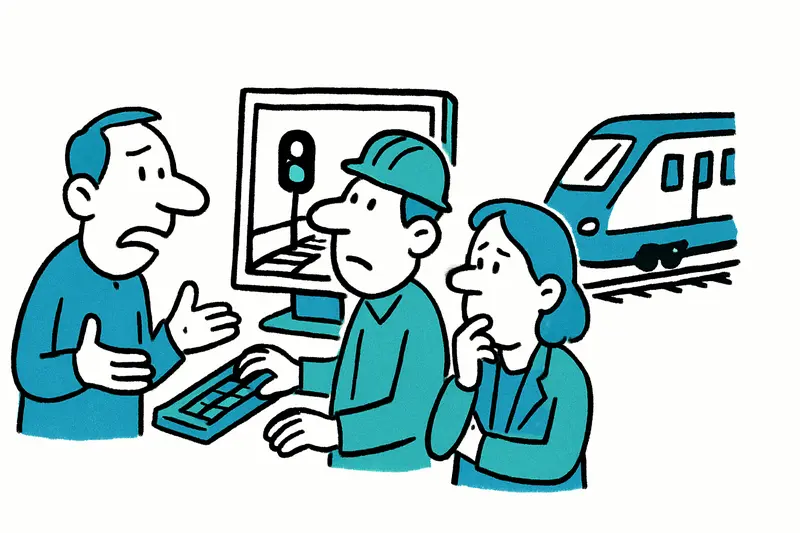
Today a new system for rail traffic was presented at Palma station, prominently promoted by the Balearic government and President Marga Prohens. The announcement comes at a tense time: negotiations between SFM and the employees are ongoing, and staff are warning of work stoppages, as discussed in More Staff for Mallorca's Trains: Is That Really Enough?. Technology can reduce sources of error — automatic brakes, better signaling, digital monitoring — but technology alone does not solve human problems. Without accompanying measures there is a risk of overload, mistrust and further strikes, which would mainly affect commuters.
What is missing from the public debate
The discussion so far has focused on the system itself: which components will be installed and which ministers present it. Important points are often left out: What do concrete maintenance plans look like? Who will pay follow-up costs, as questioned in Free Public Transport in Mallorca 2026: Relief — Will the Money Be Enough?? Is there an external safety review before commissioning? What is a realistic timeframe — weeks, months, years? And not least: how will the employees, whose know-how in daily operations can decide whether a system works or not, be involved?
Everyday scene from Palma
Early in the morning on the platform at Palma station: the smell of coffee mixes with the squeak of doors, commuters with shopping bags and laptop backpacks read the departure board, an announcement rattles over the speakers. One train has to be cancelled due to staff shortages, passengers murmur. Moments like these show that technology can shine in the lab, but on the platform other factors set the tone — personnel planning, shift handovers, quick decisions in case of disruptions.
Concrete solution approaches
If safety is taken seriously, it's not enough to buy hardware. Proposals that could be implemented immediately: 1) An independent external audit before the system is approved, checking maintainability and usability. 2) Binding co-determination rules: operations staff and unions are involved in testing phases and rollout planning. 3) A publicly accessible timetable with milestones and budget information — so there are no "black boxes." 4) Focus on personnel: more technician hours for maintenance, mandatory training for drivers and signal operators, and a reserve for illness or staff shortages. 5) Pilot sections: first test on less busy lines before converting the entire infrastructure, a cautious approach also advocated in discussions about projects like New Rail Link to Calvià: Opportunity or Traffic Illusion?. 6) A mediation mechanism for labor disputes so that safety issues are not stifled by long strike cycles.
Why this matters
A modern system only helps if the people who work with it trust it and there is enough capacity to operate it. Otherwise the paradox arises: more technology but lower reliability in everyday service. For Mallorca this has real consequences — delayed employees, crowded regional buses, annoyed tourists and additional costs for SFM and the public purse.
Concise conclusion
The presentation of the system is a start, not the goal. Without transparency, personnel planning and genuine involvement of employees, safety remains at risk. Anyone standing on the platforms of Palma experiences not just technology but people and timetables. This is where politics must act — loudly, concretely and with inspections that build trust instead of just making headlines.
Frequently asked questions
Will a new train safety system make Mallorca’s trains safer on its own?
Why could train strikes in Mallorca affect safety and reliability?
What should be checked before a new rail system is used in Mallorca?
How long does it usually take to roll out a new train safety system in Mallorca?
What difference does the new safety system make for commuters in Palma?
Is Palma station the place where Mallorca’s new train system was presented?
What role do train employees play in rail safety in Mallorca?
Could a new rail safety system in Mallorca affect public transport costs?
Similar News
Magaluf: Watchtower Alarm – Lifeguards Pull Unconscious Beachgoer from the Water
After a drama in the late afternoon, two lifeguards at Magaluf beach rescued an unconscious 44-year-old man. He was stab...
Turquoise in the City: How dangerous is the color play of the Sa Riera?
The Sa Riera in Palma suddenly turned turquoise — a pretty motif, but behind the effect lies a discharge of saline waste...

Jeckliner at Sunnesching: Cologne spirit sets sail from Palma
In September 2027 the Mein Schiff 2 briefly becomes a floating carnival stage: four days with Cologne bands, comedy and ...
Finally Home: Mike and Leyla Heiter Buy Villa with Sea View in Mallorca
The reality TV couple Mike and Leyla Heiter have bought a house in Mallorca with a roof terrace and sea view. An Instagr...
Arrest after series in Palma: Who protects apartments from repeat offenders?
The National Police arrested a man in Palma who investigators say may have broken into several apartments. In one incide...
More to explore
Discover more interesting content

Can Cap de Bou

Townhouse Lleo 72
