
Aborted Takeoff in Basel: Panic on Board – and What It Means for Mallorca Travelers
An EasyJet flight from Basel to Palma experienced an abrupt aborted takeoff. Passengers report panic as the tower had another aircraft on the runway. A look at safety procedures, information gaps and practical tips for Mallorca holidaymakers.
Aborted takeoff in Basel: Just before liftoff – alarm instead of holiday mood
A completely normal morning at EuroAirport Basel–Mulhouse–Freiburg: suitcases rolling, the smell of coffee, announcements. Then a short, hard jolt, the smell of hot brakes and the calm turning into agitation. That is how passengers describe the moment when an EasyJet A320 bound for Palma de Mallorca had to abort its takeoff. The aircraft taxied back and the crew briefly announced: they had returned on air traffic control's instruction. For many on board it left an uneasy feeling.
"It was like a jolt – then everyone screamed": The view from the cabin
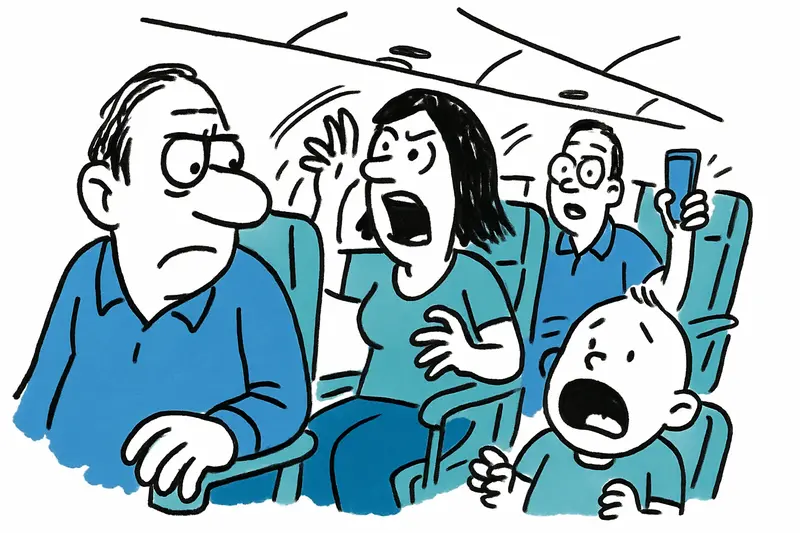
Window seats usually fight boredom. That morning they could not prevent the drama: a child started crying, a few people shouted, others laughed nervously. Mobile phones flashed, messages were typed. And yet: small gestures on the ground – a staff member handing over a bottle of water – were remembered as a big help. Such details show how much human reactions can soothe moods when technical systems fail or react unexpectedly.
What officially happened – and what is rarely discussed
The airline stated that the takeoff was aborted because another aircraft occupied the same runway. Short and factual. Pilots and the tower immediately followed applicable procedures. But the central question remains: why do such situations arise at all? Public debate often focuses on two points – technical safety and pilot training. Less attention is paid to the interfaces: communication between tower and crew, information given to passengers and the psychological aftercare following a frightening moment, issues also highlighted by Hours-long delay at BER – what Mallorca travelers need to know.
Runway incursions, that is unauthorized movements on runways and taxiways, are a risk airports have been combating for years with procedures, surveillance and staff training. Nevertheless, gaps arise: human error, too-tight schedules, or unclear visibility conditions on the ground. The good news: systems and rules exist. The bad news: they are not infallible – and passengers feel that as immediate fear.
Criticism of communication: More transparency instead of calming phrases
Many travelers complain that announcements come too late or are too general. A short, clear sentence from the cockpit can reduce anxiety: why was the takeoff aborted? How long will the delay be? Will there be consequences? Airports and airlines should standardize processes for quick, traceable information. That would not be an admission of weakness, but an expression of professionalism.
Concrete solutions: What would help now
Discreet but effective: better technology to detect objects and movements on runways, more frequent simulations for tower and crew, clearer protocols for passing information to passengers. Pragmatic measures at the destination airport in Palma also make sense: separate help desks for stressed guests, immediate assistance with missed connections and visible information about possible compensation or rebooking. Such measures cost time and money, but increase trust – and that is priceless in a tourism region like Mallorca.
What Mallorca travelers should know now
For most affected it was ultimately a delayed departure and an anecdote with an uneasy aftertaste. For travelers this means: allow enough buffer time for connections, check travel insurance and keep a personal emergency kit ready (medication, water, a copy of your booking). And if you feel nervous after such an experience: breathing techniques help, and at Palma airport there are support services – ask specifically for an assistance desk. For related cases and mental-health responses see When Mental Health Crises Disrupt Air Travel: Lessons for Mallorca After the Nuremberg Incident.
Conclusion: Safety is more than technology
The incident in Basel is a reminder that aviation safety is a whole system: technology, people and communication must work together. Mallorca benefits when arrival and departure processes on both sides – in the island's tourism sector as well as at foreign airports – are transparent and humane, as incidents like Heart-stopping moment over Son Sant Joan: Why the Eurowings plane climbed again remind us. For passengers, the memory of a few nervous minutes remains. For those responsible it should be a wake-up call: not only logs and protocols matter, but how we care for people in such moments.
If you were affected: contact the airline or the information desks at Palma airport. Small aids on site – a glass of water, a clear sentence – often have a bigger impact than expected.
Frequently asked questions
What should Mallorca travelers do if their flight is aborted on takeoff?
Is an aborted takeoff dangerous for passengers flying to Mallorca?
Why do takeoffs get aborted at airports serving Mallorca flights?
What can help reduce stress after a scary flight incident on the way to Mallorca?
Should I allow extra time for connections when flying to Mallorca?
What support is available at Palma airport after a delayed or stressful arrival?
What should I keep in my hand luggage for a Mallorca flight in case of delays?
What does an aborted takeoff in Basel mean for people flying to Mallorca?
Similar News
Why the Striped Breams in Cala Pí Should Be a Wake-up Call
Once again bathers in Cala Pí were surrounded while swimming by small, nippy fish — some wounds bled. Time for clear rul...
Daily from New York: How Palma's Air Traffic Is Growing — and What Must Change
United will increase the Newark–Palma service to daily flights in 2027 (Boeing, 231 seats). Strong tourist numbers clash...

When Love Ends in Shards: Destruction in Son Vida and the Questions That Remain
In Son Vida a relationship dispute escalated: a woman destroyed furniture in a luxury villa, later pressed a panic butto...
Who Bears the Burden? Mallorca Between Tenant Protection and Landlord Fears
Madrid's new housing decrees strengthen tenant rights — but on Mallorca concern is growing: will the law drive small lan...
On the Edge: What Mallorca's Airport Loses If a Major Low-Cost Carrier Falters
The company that operates numerous connections from Palma to France and domestically is negotiating with creditors to re...
More to explore
Discover more interesting content

Can Cap de Bou

Townhouse Lleo 72
