
Heart-stopping moment over Son Sant Joan: Why the Eurowings plane climbed again
A Eurowings flight from Dresden aborted its landing shortly before touchdown in Palma. Why such go-arounds happen, how safe they are — and what the island should learn from them.
Heart-stopping moment over Son Sant Joan: Why the Eurowings plane climbed again
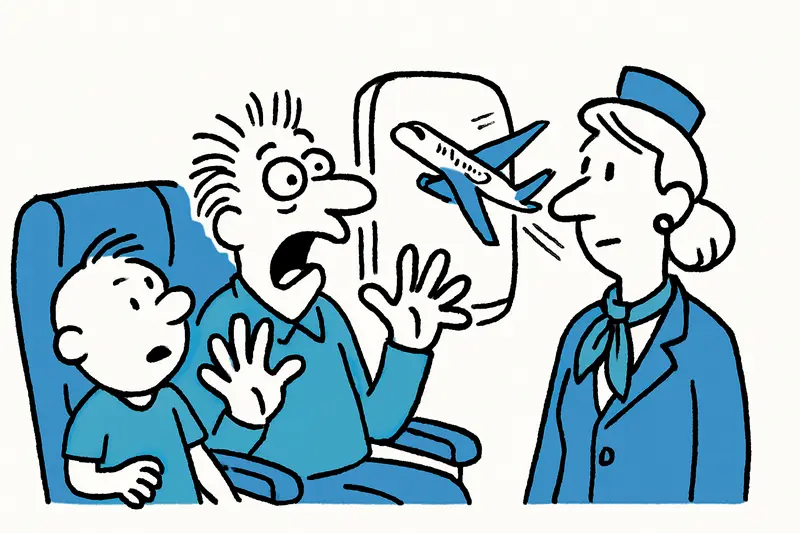
It was a typical evening at Son Sant Joan: the distant drone of engines, a light west wind that had not yet fully chased away the heat of the day, and the streetlights on the Passeig Marítim slowly coming on. Then a brief moment of unease: passengers saw the lights of Palma, prepared for landing — and suddenly the aircraft added thrust and climbed away again. A passenger in row 22A summed it up succinctly: “We saw the lights, then everything suddenly went up.”
Scenes like this always make hearts race, especially for people who fly rarely. A little boy loudly asked: “Why are we climbing again?” The crew responded calmly, announced over the PA, and briefly explained: routine, everything is fine. That reassured many and left others pondering.
Data say: no technical fault, but separation rules
Flight path data show a clear picture: the aircraft approached, turned east and made a loop over the centre of the island before making a second approach and landing safely. Reason: the required separation from the preceding aircraft could no longer be maintained. In short: a standard go-around (aviation) procedure. Frustrating for travellers, but a safety procedure that occurs daily at airports around the world.
It is important to emphasise: there were no signs of technical problems or severe weather as triggers. Although the island had seen heavy showers in the days before, that evening the primary reason for the aborted landing was timing and spacing in the approach sequencing.
The key question — and what is often overlooked
The central question is not just “Is this dangerous?”, but: Why do such manoeuvres happen more often in Mallorca, and how is the information communicated? This is not a criticism of the crew — on the contrary: flight attendants and pilots acted correctly. It is about systems, capacity and the flow of information.
What sometimes gets lost in the headlines: go-arounds are the result of complex coordination between the airline, air traffic control and airport operations. Mallorca is a bottleneck in peak season: narrow approach corridors, many holiday flights, and clustered arrival windows. When a flight is delayed, it can trigger cascading effects; for other travellers this has meant incidents such as an aborted takeoff in Basel. Then the only option is to climb, restore the separation and land cleanly later.
What this means concretely for Mallorca
For people on board, go-arounds are unpleasant — they lengthen the journey, cause uncertainty and increase stress. For residents and the environment they are not neutral: every climb costs extra fuel and causes short-term noise peaks over other parts of the island.
On the other hand, the view of the La Seu cathedral or the Serra de Tramuntana on the second approach is for some passengers a beautiful sight — if tinged with irony: Mallorca shows its best side twice. Previous incidents during approaches have included reports such as Frightening Seconds over Palma: Two Flight Attendants Injured, which underscore the variety of events that can affect arrivals.
Concrete opportunities and solutions
The incident also offers starting points to improve procedures:
1. Better slot and sequencing management: Finer coordination of arrival windows — especially at fringe times — can reduce bunching and avoid go-arounds.
2. More transparency for passengers: Fast, clear information over the PA or via app reduces anxiety. The communication by the crew in this case was a good example.
3. Strategic holding patterns instead of last-minute go-arounds: Where possible, aircraft could be held further out to minimise unnecessary manoeuvres just before landing.
4. Consider environmental aspects: Fewer go-arounds would save fuel and reduce local noise pollution. This can be factored into long-term infrastructure and operational plans.
Conclusion: Stay calm, but improve
The incident on 13 October was not a drama, but a functioning safety system. The crew acted professionally and the aircraft landed safely. At the same time, the brief scare over Palma shows: Mallorca needs not only good crisis management on board, but also forward-looking planning on the ground. If we want fewer heart-stopping moments and fewer extra circuits in future, better timing on the ground, clear information for passengers and consideration of environmental costs will help.
Those waiting at the airport that evening often noticed little — for the people in the seats it became a topic of conversation for the rest of the holiday. And that may be the best memory of this small incident: safety comes before comfort. For that, you can afford to briefly enjoy the lights of Palma from afar.
Frequently asked questions
Why do planes sometimes climb again before landing in Mallorca?
Is a go-around at Palma airport dangerous?
What should passengers do if their Mallorca flight goes around?
Do go-arounds happen more often at Son Sant Joan in Mallorca?
Can a go-around cause extra noise over Palma and Mallorca?
What weather conditions can affect landings at Mallorca airport?
Why do pilots in Mallorca say everything is fine after a go-around?
What is the best time of year for fewer flight delays into Mallorca?
Similar News
Masked Images, Real Panic: When Social Media Aesthetics Alarm Neighbors
Five German content creators filmed on a recently vacated detention site using deceptively realistic props. The result: ...
Why the Striped Breams in Cala Pí Should Be a Wake-up Call
Once again bathers in Cala Pí were surrounded while swimming by small, nippy fish — some wounds bled. Time for clear rul...
Daily from New York: How Palma's Air Traffic Is Growing — and What Must Change
United will increase the Newark–Palma service to daily flights in 2027 (Boeing, 231 seats). Strong tourist numbers clash...

When Love Ends in Shards: Destruction in Son Vida and the Questions That Remain
In Son Vida a relationship dispute escalated: a woman destroyed furniture in a luxury villa, later pressed a panic butto...
Who Bears the Burden? Mallorca Between Tenant Protection and Landlord Fears
Madrid's new housing decrees strengthen tenant rights — but on Mallorca concern is growing: will the law drive small lan...
More to explore
Discover more interesting content

Can Cap de Bou

Townhouse Lleo 72
