
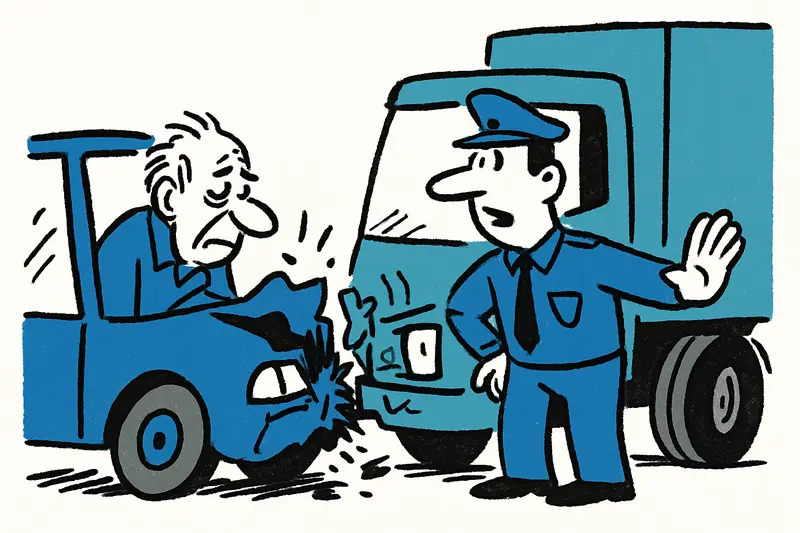
Santanyí in shock: Suspected suicide after head-on collision on the MA-19
Following a severe head-on collision on the MA-19 near Santanyí, investigators are examining whether it was an accident or an intentional crash. Witness statements, emergency calls and technical evidence are now being carefully evaluated.
Head-on collision near Santanyí: accident or deliberate act?
In the late afternoon, shortly before 3:00 p.m., the wail of sirens tore through the normally peaceful MA-19 country road near Santanyí. an SUV and a lorry collided head-on. Blue lights reflected off the olive-green leaves of the trees, and emergency crews worked among pines and dry macchia scrub. The road was closed for hours; diversions passed by fincas and dusty farm tracks.
Injured, first impressions, a fragile picture
The driver of the SUV, according to local residents an elderly German man, suffered life-threatening injuries. Notably, he appeared not to be wearing a seatbelt. The truck driver was also seriously injured. Both were taken to different hospitals. Neighbors described the oppressive sound of rescue blankets, the crackle of radios and people whispering: “You could tell immediately that it was bad.”
The call that changed the investigation
What sets the case apart from a “simple” traffic accident is information from the family circle: minutes before the impact the wife reportedly called emergency services and said her husband had spoken about suicidal thoughts. This information prompted the Guardia Civil to investigate the incident not only as an accident but also as a possible suicide attempt. Whether the collision was intentional is not yet clear. Technical evidence, witnesses and data are to provide answers.
Which traces matter now — and which are often overlooked
Investigators are examining classic clues: direction of travel, braking distance, skid marks, deformation patterns of the vehicles. Electronic data are particularly important — the onboard computer, the SUV’s event data recorder, the tachograph and possibly a camera in the lorry. Small, easily overlooked signs can be decisive: Was the steering wheel turned? Was there a sudden steering movement or no brake marks? Was cruise control engaged? How did the truck react — braking, evasive maneuvers?
Less noticed but highly relevant are the circumstances surrounding the emergency call: How does the control center document indications of suicidal behavior? How quickly is such information forwarded to police and emergency services? A single call can change response priorities and raise investigative questions — for example about the timing of the contact or the exact wording used by the caller.
Technology, witnesses and human frailty
Witness statements are valuable but not infallible. In shock, people often see only fragments: whether a vehicle “was too fast” or “appeared out of nowhere.” For that reason, forensic evidence collection, expert reports and technical analyses are combined. Toxicology reports, phone and GPS data and traffic flow evaluations on the stretch of road are also important. For lorries, maintenance status, braking system and possible driver distraction also play a role.
The community and the quiet aftermath
In Santanyí people speak softly. On an island where you know your neighbors and street names, an event like this cuts deeper. Children later see emergency crews and rescue blankets — images that stick. Some say the SUV was often driven alone, others describe the driver as withdrawn. Such observations explain nothing; they only show that the sense of shock is widespread.
Key question: how do we prevent emergency calls from remaining only on paper?
The case raises a central question: Are our procedures sufficient to ensure that indications of acute suicidality lead to timely action? It is not only about police clarification after an accident but about preventive mechanisms.
Concrete steps needed now
1. Clear protocols at emergency call centers: A standardized procedure must define how indications of suicidal thoughts are documented, prioritized and forwarded to the Guardia Civil and emergency services. Training for dispatchers is crucial.
2. Linking technology and prevention: More data analysis: dashcams, event data recorders and lorry tachographs must be quickly evaluated after accidents. Additionally: more passive protective infrastructure on high-risk stretches — central barriers, rumble strips, better signage and speed reduction in risk zones.
3. Local aftercare and low-threshold services: In Majorca we need more easily accessible counseling in several languages — especially in areas with many residents from abroad. Municipalities should rapidly disseminate contacts for Teléfono de la Esperanza crisis helpline, general practitioners and pastoral care.
If you are in immediate danger: call emergency services at 112 emergency number or seek local help. Please do not remain alone.
Looking ahead
The Guardia Civil will present results of technical analyses and expert reports in the coming days. For the families this means a difficult and uncertain time. For Santanyí the memory remains of a quiet, sunny afternoon torn apart by sirens. And the reminder: road safety is also a social responsibility — it starts with how we talk to each other and does not end at the guardrail.
Frequently asked questions
What happened on the MA-19 near Santanyí?
Why is police in Mallorca treating this crash as a possible suicide attempt?
How do investigators find out whether a crash in Mallorca was deliberate?
What should drivers in Mallorca do if a road is closed after a serious accident?
What does a serious crash near Santanyí mean for the local community?
What information is most important in a Mallorca crash investigation?
What support is available in Mallorca after a mental health crisis?
What safety measures are being discussed for dangerous roads in Mallorca?
Similar News
First Day, First Consequences: What Palma's Rent Freeze Really Means
A new decree stops a planned eviction in Palma — but what really changes for tenants and landlords? A reality check with...
When Housing Becomes a Matter of Survival: Mallorca Between Rental Frenzy and Everyday Life
The case of 87-year-old Maricarmen showed that on Mallorca many people's lives are poised between affordable and uninhab...
Autumn in Mallorca: When Melancholy Gets a Window
Why autumn quietly tightens here — and how to make use of the mood: walks, culture, candles and the light from Palma to ...
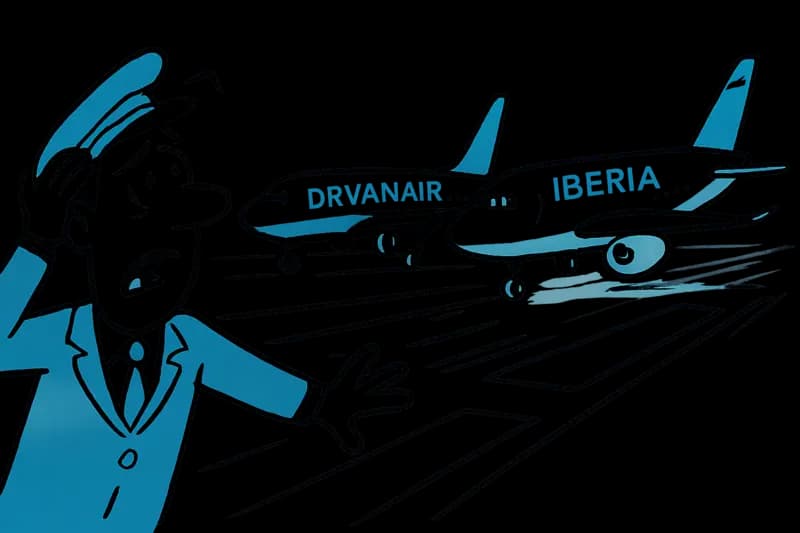
Near-miss on Lanzarote: Landing Ryanair Jet and Iberia Takeoff — what really went wrong
On Lanzarote there was a dangerous incident: A Ryanair flight (FR5910) from Dublin landed on runway 03 while an Iberia E...
Eurowings introduces new Premium Business seats on Mallorca routes
From December 1, selected Eurowings flights to Palma and other destinations will feature eight particularly generous sea...
More to explore
Discover more interesting content

Can Cap de Bou

Townhouse Lleo 72
