
After Mold Allegations: How Can I Recognize Expired Food in Mallorca?
After Mold Allegations: How Can I Recognize Expired Food in Mallorca?
A case at Playa de Palma has raised questions again: What do MHD, use-by date, 'fecha de consumo preferente' and 'fecha de caducidad' mean — and who is responsible when imported goods arrive moldy?
After Mold Allegations: How Can I Recognize Expired Food in Mallorca?
Key question: How do the labels differ — and who is liable when imported goods arrive spoiled?
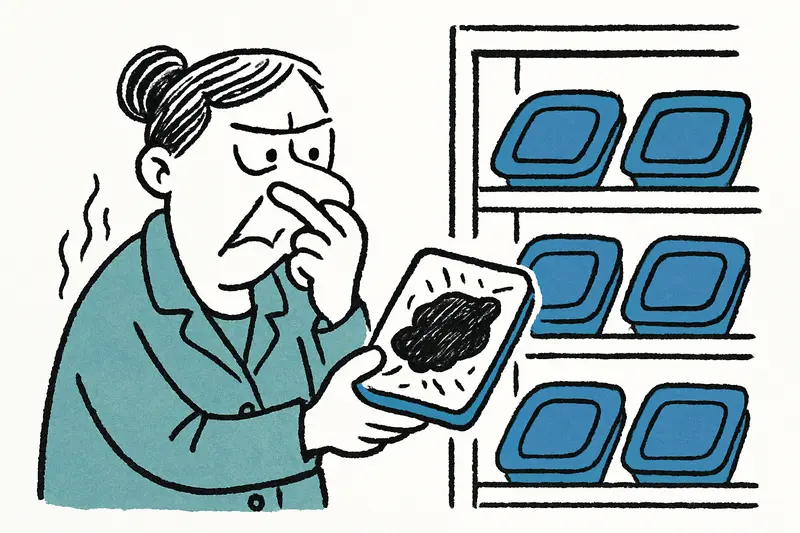
Last week in front of a supermarket at Playa de Palma: delivery vans pull up, German and Spanish voices mix, and a customer lifts a pack of sliced cold cuts, checks the date, frowns and puts it back. This scene echoes recent coverage, as in the Salmonella Outbreak at Playa de Palma: How Did It Come to This?. Scenes like this have become more common in local chats since the case of imported sliced sausage arriving with mold (see 231 kilos of spoiled meat: Guardia Civil reportedly seizes reprocessed goods at plant south of Palma). One thing is clear: there is a date on the package, but what does it actually mean — and how should I act as a buyer?
In short: there are two important markings that are often confused. The "Mindesthaltbarkeitsdatum" (MHD), or the Spanish 'fecha de consumo preferente', indicates until when a product retains its typical qualities such as taste and smell. If the MHD is exceeded, the product can often still be safe — provided the packaging is intact and the cold chain has been maintained. It is different with the consumption date, or the Spanish 'fecha de caducidad': this marks foods that spoil quickly and are not safe after that date.
Important for Mallorca: many goods arrive here from abroad. That means longer transport routes, transshipments and possibly different storage conditions. If the cold chain is interrupted or packaging is damaged, the risk of spoilage increases — even if the date printed on the label has not yet been reached. For imported products, organizational control along the supply chain is therefore crucial.
Critical analysis: public debate often focuses solely on the date. That is too narrow. In a real risk case at least three factors come together: correct labeling, the integrity of the packaging and continuous temperature control. In Mallorca the question of language clarity is added: German labels on goods available here can create uncertainty among staff and consumers. It also remains unclear how strict checks on cross-border goods are and how quickly recalls such as the Recall of Knorr chicken soup in Mallorca: what buyers must do now are implemented.
What is missing in the discussion: concrete figures on the frequency and origin of such incidents, clear guidance on responsibility for imports and practical information for consumers in German and Spanish. It is also rarely discussed how small shops should control supply chains when they depend on large logistics centers.
Everyday view: early in the morning at Mercat de l'Olivar you see traders checking fish and cheese: feeling, smelling, storing on cold plates. The simple check ritual — eyes, nose, tongue — is often more reliable than a date alone. I do the same at home: check the package, examine the lid, do a smell test. If something seems suspicious, keep it in the bag and complain.
Concrete solutions:
For consumers: Check packaging before purchase; no swollen vacuum, no cracks; for chilled goods look for coldness on the shelf; if in doubt check the packaging date and origin; if suspicious keep the receipt and product and report it.
For retailers: Supplier checks, temperature logs at delivery, clear separation of batches with close dates, bilingual date labeling and staff training to recognize suspicious goods; visible notices for customers when products are close to their best-before date.
For authorities: More frequent spot checks on imports, transparent reporting channels for recalls, information leaflets in German and Spanish and clear rules on liability when the cold chain is broken.
Conclusion: the date is an important but not sole indicator. In Mallorca all factors come together: tourism, multilingualism and import logistics. Those who want to reduce uncertainties must act on several levels — better controls, more transparency in supply chains and a dose of common sense when shopping. And if you find a spoiled package: do not throw it away, complain — and ask how the product reached the store.
Quick tip: if a chilled package in the shop feels warm or the packaging looks dull and bloated, hands off — these are often the first signs of an interrupted cold chain.
Frequently asked questions
How can I tell if food in Mallorca is expired or spoiled?
What is the difference between best-before and use-by dates in Spain?
Can I still eat chilled food in Mallorca if the best-before date has passed?
What should I do if I buy moldy food in Mallorca?
Are imported foods in Mallorca more likely to spoil?
How can I check fresh food at Mercat de l'Olivar or similar markets in Mallorca?
What signs show that chilled food in Mallorca has had a broken cold chain?
Do shops in Mallorca have to label food in both German and Spanish?
Similar News
Car on MA-13 near Inca in flames – a safety check for the island
A vehicle caught fire on the MA-13 towards Alcúdia on Tuesday afternoon. The driver was uninjured, the car was destroyed...

Real Estate in Mallorca: Fewer Buyers, Higher Prices — What's Behind It?
Sales on Mallorca are falling, yet prices continue to climb. Why fewer transactions do not equal relief — and what shoul...
Just Bought — Already Trouble: Water Damage in the Heiters' Villa and What Owners in Mallorca Should Know Now
A newly purchased sea-view property — and within days a water damage. What risks lurk in new properties in Mallorca, and...

Rich, Richer, Mallorca? A critical look at the growing super-rich bubble
Numbers: Around 3,600 millionaires in the Balearic Islands hold a combined €27.6 billion. What this concentration of wea...
Chain reaction on the MA-1: Eight injured in rear-end collision near Portopí
On Tuesday morning there was a crash at the Andratx exit to the MA-1 towards Palma: a rear-end collision between a car a...
More to explore
Discover more interesting content

Can Cap de Bou

Townhouse Lleo 72
