
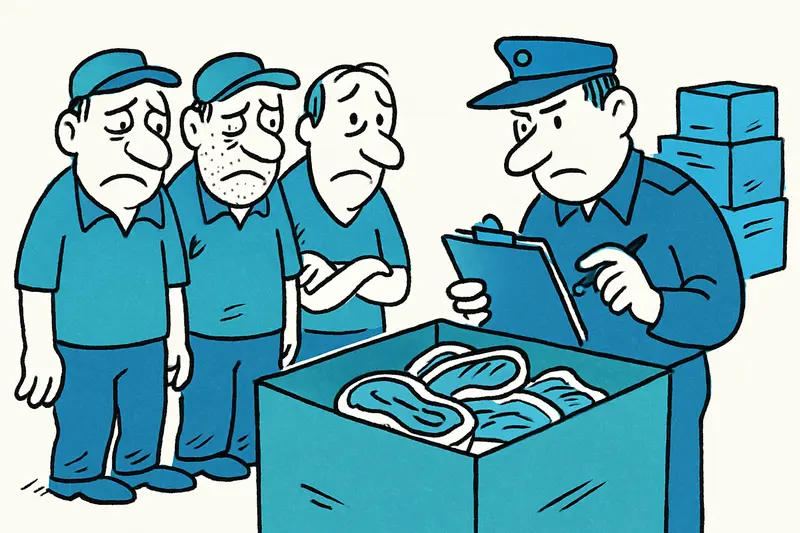
231 kilos of spoiled meat: Guardia Civil reportedly seizes reprocessed goods at plant south of Palma
In a raid at a meat-processing plant south of Palma, investigators seized 231 kilos of food classified as inedible. Traces point to bleach treatment, re-labeling and possible supply networks. What does this mean for consumers?
Raid in the morning: 231 kilos of spoiled goods secured
Early on Tuesday morning there was unusual activity in the industrial estate south of Palma: the sirens were not yet loud, but the steps of the Guardia Civil echoed across the concrete forecourt. Workers stood with drawn faces between crates while officers filmed labels and packaging. The tally: 231 kilos of spoiled meat seized.
How was this supposed to "work"?
According to files and initial interviews, suspicion points to expired or spoiled products being treated with chemicals such as bleach — apparently to mask odors and appearance — and then re-labeled for sale. Sausages, pieces of processed meat trimmings and already packaged batches were affected. An investigator summed it up: "This is not an accident — this is an intentional health risk."
This description sounds like a bad movie, but it is a real danger. Bleach and similar substances cannot reliably inactivate pathogens and can leave toxic residues themselves; see guidance on chemical contaminants for more on these risks: EFSA on chemical contaminants in food. For consumers the thought is disturbing: what if some of this ends up on the plate?
More than an isolated case? The bigger question behind the incident
The operation in Mallorca was not isolated: European Food Fraud Network efforts run in parallel across member states. Thousands of tons of illegal products have been seized across the continent; labs on the island are running analyses, including tests for chemical residues. In related local actions authorities also reported the intervention of 20 tonnes of fish and seafood seized in Palma.
A neighbor who walks his dog every morning reported nightly delivery movements: dark vans without markings, vehicles delivered under cover of darkness. Such details point to an organization that deliberately avoids witnesses. And that, in turn, raises further questions: who sourced the goods? Which middlemen were involved? How long might this have been going on? Similar incidents have prompted public debate about responsibility, for example the case outlining questions over responsibility for 20 tonnes of spoiled fish in Palma.
The role of supply chains and small intermediaries is often overlooked
Public debate often focuses on the spectacular raid and the fixed number of kilograms seized. Less noticed is how vulnerable complex supply chains are: smaller cutting plants, short-term batch takeovers or opaque intermediate storage create gaps that can be exploited. Economic pressure also plays a role — when margins fall, some look for ways to minimize losses. That is no excuse, but it is an explanation for the why.
Concrete consequences and possible solutions
In the short term, the Guardia Civil shut down the plant's production and took samples. The commercial supervisory and consumer protection authorities announced intensified inspections. The investigations require autopsies of samples, chemical analyses and tracing of batch numbers.
In the medium term authorities should step up: better digital traceability (batch tracking), mandatory documentation of supply chains, anonymous whistleblower hotlines and more frequent random laboratory checks could close gaps. Training for employees in small plants would also help, strengthening separation of duties and transparency in processes. Sanctions must be calibrated to deter — not just fines that can be easily avoided by closing the business.
What can consumers do now?
There are practical steps customers can take immediately: when shopping, check for complete batch numbers, expiration dates and intact seals. Keep receipts, take photos if in doubt and inform the relevant authorities if you suspect something. At weekly markets seek out stalls close to the producer: those who stand behind the stall can explain the origin and usually handle complaints personally — they are often the most trustworthy faces.
A small consolation from Mallorcan everyday life: at the markets you hear the clatter of bowls, vendors call out prices and recipes, and the smell of freshly baked ensaimada mixes with the sea breeze. There, transparency and proximity are often greater than in anonymous packaging.
What happens next?
The investigations are ongoing. The public prosecutor and consumer protection agencies must follow the trail to possible trade hubs. For the neighborhood the question remains: was this an exception or a warning sign? The answer depends on whether oversight, law enforcement and transparency step up — or whether such cases end up only as archive notes in the future. For us as consumers that means: stay alert, ask questions and support local producers. Maybe a second look at the label helps more than we think.
We are following developments and will report further when laboratory results or charges follow.
Frequently asked questions
What should shoppers in Mallorca check on meat labels if they want to avoid spoiled products?
Can spoiled meat in Mallorca be made safe again with bleach or chemicals?
What should I do in Mallorca if I suspect food I bought is spoiled or relabeled?
Where was the meat plant raid reported south of Palma?
Why are small food plants in Mallorca seen as vulnerable to food fraud?
Are markets in Mallorca safer than packaged food when it comes to checking where products come from?
What signs suggest a food delivery in Mallorca may be trying to avoid attention?
What happens after Guardia Civil seizes spoiled food in Mallorca?
Similar News

Arrests after Beach Thefts: How Safe Are Mallorca's Beaches Really?
After a large-scale operation, 19 suspects were arrested. The case raises questions: why were thieves able to strike for...
No more tap water in Cala Millor – what happens when the tap runs dry?
Sant Llorenç del Cardassar has cut fresh water services at beaches due to the drought and issued further usage bans. Who...
Trash everywhere at Consell–Alaró station: Why the mess doesn't just disappear
The station between Consell and Alaró is full of bottles, bags and littered fences. Who is responsible remains unclear —...

When coercive fines aren't enough: Could holiday rental owners soon face prosecution?
The island administration is stepping up action against unauthorized holiday rentals: high daily coercive fines up to €5...

Palma Airport on an Expansion Course — Who Decides How Much Growth the Island Needs?
Aena and Madrid are planning multi-million euro investments for Son Sant Joan and project higher capacities. Concern is ...
More to explore
Discover more interesting content

Can Cap de Bou

Townhouse Lleo 72
