
After the hurricane gusts: How well is Mallorca really prepared for winter storms?
After the hurricane gusts: How well is Mallorca really prepared for winter storms?
Storm systems Joseph and Kristin bring hurricane-force gusts, heavy rain and the first fatality to the Spanish coast. A reality check for Mallorca: vulnerable infrastructure, trees in towns and missing local precautions.
After the hurricane gusts: How well is Mallorca really prepared for winter storms?
Key question: Are our towns, beaches and emergency services sufficiently prepared for the new, more intense Atlantic storms—or do we still only react once something happens?
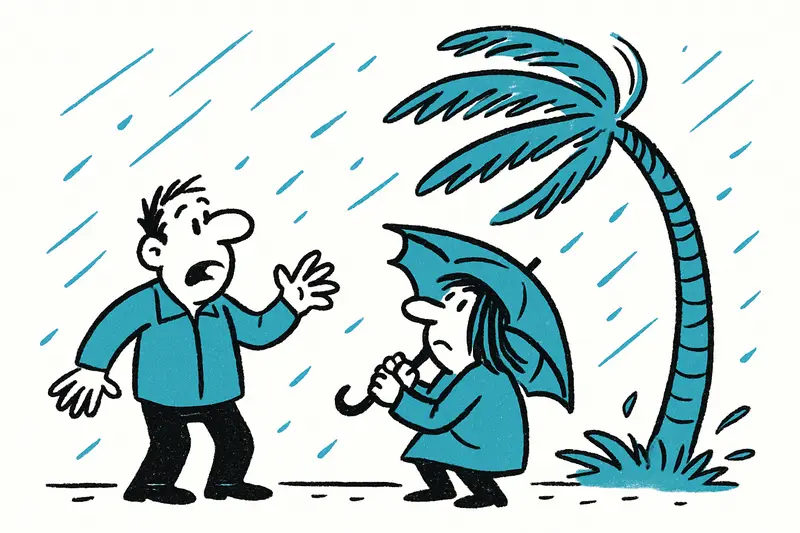
The night with hurricane gusts up to 151 km/h on Mallorca felt like a warning. Windows rattled in old-town apartments, waves broke over the promenade in Portixol, and branches crashed onto secondary roads in the Tramuntana mountains. At the same time, the emergency services 112 reported that a holidaymaker in Torremolinos was killed by a falling palm tree, a reminder of similar events covered in After Gabrielle: How weatherproof is Mallorca really?.
The facts are clear: AEMET warned of severe gusts and heavy precipitation (Storm Alert: Is Mallorca Prepared for the Deluge?), snow fell in the mountains, and there were high waves along the coasts. This situation is not a local curiosity but part of a larger pattern: storm cells are increasingly crossing the Atlantic with high energy and hitting the islands with full force.
Critical analysis
Three problem areas on the island are immediately obvious. First: vegetation in urban areas—especially palm trees and large plane trees—is often not prioritized according to risk. In many places, tree maintenance plans are reactive. Second: urban infrastructure, i.e. drainage and the road network, is in some municipalities not designed quickly enough for extreme precipitation; flooded underpasses and waterlogged basements are recurring scenes (North Storm and Cold Front: Are Mallorca's Roads and Trails Ready for the Winter Change?). Third: communication and evacuation routes need to be multilingual. Tourists and residents only take warnings seriously if they understand them and if it is clear what to do.
Fire and rescue operations are professional, yet the events show that prioritization is lacking: it is less about response capacity itself and more about prevention, targeted tree inspections, securing open coastal strips and infrastructure checks before the next season.
What is missing in the public discourse
There is a lot of talk about gusts, numbers and alert levels. Rarely does it get concrete about responsibilities: who orders tree inspections, who monitors corroded power poles near the coast, and who pays for the additional cleaning and securing measures? The dialogue with tourism providers is also underexposed: hotels, beach bars and landlords must be obliged to provide information and evacuation plans. And: the role of coastal protection measures—sand replenishment, breakwaters, mobile barriers—hardly appears in local discussions.
Everyday scene in Mallorca
The morning after the storm you walk along a wet Passeig del Born. Café parasols are closed, a bodega owner sweeps saltwater from the pavement, children splash past in rubber boots. On Cala Major fishermen have tied their nets hastily to posts, and an older man from Son Sardina stands on a finca wall with a cup of coffee and shakes his head: "I haven't seen anything like this here for a long time." The sound of the wind gusts is still audible in the alleys—a reminder that the sea brings not only bread, sun and tourists.
Concrete solutions
A few measures would bring great benefit and are technically and financially feasible:
1. Systematic tree inventory: Each municipality needs a digital map with risk categories for trees along main roads, beaches and in front of hotels. Priority for palms near promenades.
2. Regular, mandatory tree maintenance: A clear schedule, mandatorily funded through local budgets or tourism levies; rapid action for visible damage.
3. Improved sewer and road drainage: Clean channels and drains before the rainy season, provide emergency pumps and publish maps with flood risks.
4. Multilingual early warning systems: Push notifications, SMS and notices in hotels in German, English and Spanish with clear behavioral rules and meeting points.
5. Coastal protection and temporary barriers: Mobile barriers for promenades, temporary closure of particularly exposed beach sections and early removal of items on the beach that could become projectiles.
6. Training and rapid-response sites: Simulation exercises for rescue services together with hotel chains, ports and municipalities as well as designated emergency shelters with backup power.
Conclusion
The storm days have woken Mallorca up. It is not only about storm strength or measurements—it is about reducing the small, avoidable risks: loose palms, clogged drains, missing hotel notices. The island has the resources to organize this better. What is missing is the political will to designate clear responsibilities and invest in preventive measures. If we wait until the next tree falls on a car or a section of promenade is washed away, we have reacted again instead of acted.
Frequently asked questions
How prepared is Mallorca for winter storms and heavy gusts?
What should I know about staying in Mallorca during a storm warning?
Are Mallorca’s roads and drainage systems ready for heavy rain?
Why are palm trees and other trees a storm risk in Mallorca?
Is Portixol exposed to rough seas and storm spray in Mallorca?
Do people in Mallorca get storm warnings in several languages?
What can hotels and beach businesses in Mallorca do before a storm?
Is Mallorca investing enough in coastal protection for winter storms?
Similar News
More water than last year: Mallorca's reservoirs breathe easier
September rain refilled the Tramuntana's reserves: overall fill around 35 percent, Cúber at 40.42 percent, Gorg Blau at ...
Three Luxury Hotels in Banyalbufar: Lots of Money, Many Questions
A Danish investor plans three exclusive accommodations in Banyalbufar — including the historic Son Valentí. The announce...
2.1 tonnes of cocaine on sailing yacht off Spain's coast – a reality check for the coastguard
A 14-metre yacht was seized with 2.1 tonnes of cocaine. Who monitors the ports, how does the international hunt succeed ...
Heat Bonus in Mallorca: 100 Euros Extra for Outdoor Staff at MarSenses
MarSenses pays employees who worked outdoors in August an extra €100 as recognition. Lighter uniforms, reduced hours for...
Renovating in Mallorca: What You Really Can Do Without Neighbour Consent
Many think they can do whatever they want in their apartment. That's partly true — but only as long as structural elemen...
More to explore
Discover more interesting content

Can Cap de Bou

Townhouse Lleo 72
