
After Gabrielle: How weatherproof is Mallorca really?
Former hurricane "Gabrielle" moved over Mallorca as a storm system and left flooded streets, damaged infrastructure and many open questions about the island's preparedness.
Monday, hail, halls — and the question that remains
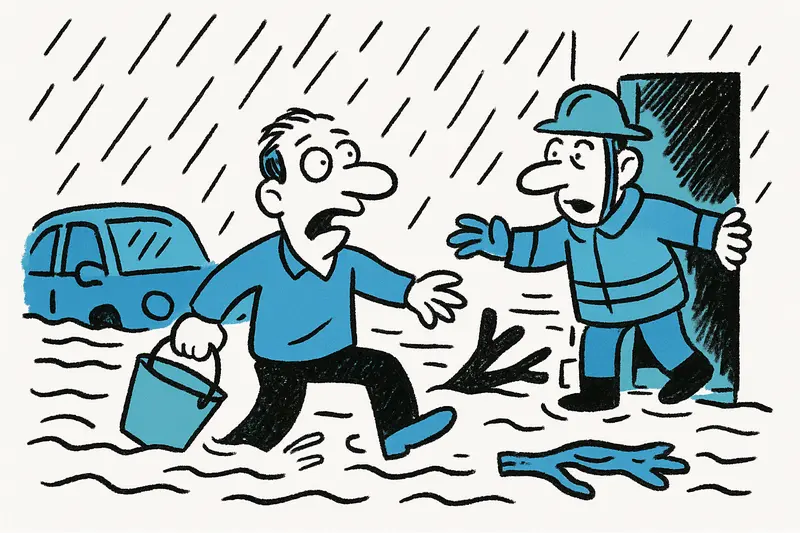
The start of the week on Mallorca felt like a movie with the volume turned up: hailstones drummed on metal roofs, the patter made windows vibrate, and in Inca the Avinguda Antoni Maura briefly turned into a streambed. Around midday, in some neighborhoods water rose up to door thresholds; basements filled, cars were soaked, and mud and stones accumulated on the roads. Similar conditions were noted in Ex-Hurricane Gabrielle brings warm, humid unrest to Mallorca.
Fire department takes stock — it was a hard day
Rescue services recorded more than a dozen major operations by late afternoon. Main tasks: pumping out basements, clearing debris from country roads and dealing with small fires apparently caused by lightning strikes. Municipalities like Selva, Inca, Muro and Santa Margalida reported the most incidents. The stretch between Mancor de la Vall and Selva was temporarily closed at times due to mud and rubble; clearance crews worked into the night. More on the flooded streets and mudslides is available in After the Thunderstorm: Flooded Streets, Mudslides and the Big Question About Mallorca's Preparedness.
A lightning strike at Inca station temporarily disrupted the connection to Palma. Travelers had to expect delays and unscheduled stops, and traffic lights and urban facilities showed further damage. The visible consequences — fallen branches, clogged drains, wet asphalt — add up and leave many residents with the feeling that the island must act quickly.
The key question: How well is Mallorca prepared for such extreme events?
This question is no longer just rhetorical. Forecasters at Aemet had placed parts of the island under an orange warning, with locally extreme rainfall amounts of up to 50 liters per square meter in one hour. When such amounts arrive, weaknesses become visible: clogged gutters, undersized sewers, streets without retention areas. And yes, the climate-change debate is no abstract fear of the future anymore — it is lying in the puddles in front of doorsteps. Discussions of preparedness are already underway, as noted in Ex-Hurricane Gabrielle: Mallorca Prepares — Why Preparedness Is More Than 'Bring the Sunshade In'.
One aspect that gets little attention here: the combination of heavy sealing in towns, agricultural soil washing into narrow ravines, and insufficient maintenance of drainage systems. The result is quickly overwhelmed drainage networks and prolonged cleanup work that strains municipalities financially and with personnel.
What should be done now: concrete opportunities and approaches
Despite the urgency, there are ways to make the island more resilient. Some concrete measures that could have a quick effect:
More and smarter maintenance: Regular cleaning of drains, ravines and street inlets before the rainy season significantly reduces blockages.
Restoration and retention areas: Small retention basins in catchment areas, targeted reforestation and restoration of river courses dampen peak runoff.
Permeable surfaces in town centers: More green strips, permeable paving and less sealed parking areas help to retain rain locally.
Coordination and financing: Joint emergency plans between municipalities, an island fund for protective measures and clearer responsibilities speed up responses.
Immediate technical measures: Lightning protection at stations and critical facilities, better communication for rail passengers and real-time warning systems for residents can reduce damage and disruptions in the short term.
What residents should do now in practical terms
If you are affected: secure electrical devices, avoid flooded streets and document damage for insurance. Follow the instructions of emergency services; the closures on the Paseo Marítimo and the shutdown of parks like Bellver are not formalities but protective measures. Prepare rubber boots, flashlights and a list of important phone numbers — the smell of wet earth and the distant wail of sirens will remain for a while.
And for the medium term there is the opportunity to view the cleanup not only as a tedious duty but as a starting point: small investments in drainage, more green in towns and stronger municipal cooperation would help Mallorca get through the next storms better.
We remain on site, hear the voices of neighbors, see the mud on the road edges and will report further if the situation changes or new measures are announced. Mallorca is resilient — but resilience does not develop by itself. Now is the time to strengthen it.
Frequently asked questions
How bad can thunderstorms get in Mallorca?
What should I do if my street floods in Mallorca?
When is Mallorca most likely to get heavy rain and storms?
Can storms in Mallorca cause transport delays?
What areas around Inca were affected by the storm?
Why do some Mallorca towns flood so quickly after heavy rain?
What is Mallorca doing to prepare for stronger storms?
Are parks and public spaces in Palma closed during storms?
Similar News
Real estate boom in Mallorca: 66 new estate agencies — who is being built for?
In the first nine months of 2026, 66 new real estate intermediaries were registered in Mallorca's commercial register. A...
Palma at the Capacity Limit: Who Plans for Peak Days?
Four cruise ships, kilometer-long traffic jams in front of shopping centers and full car parks: the long weekend showed ...
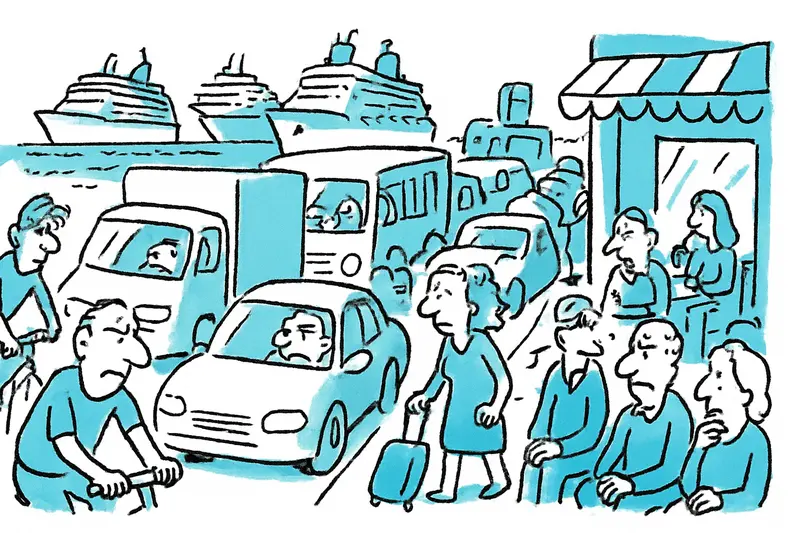
When Palma Overflows: Why the Long Weekend Brings the City to a Standstill
Four cruise ships, overfilled parking garages and a two-kilometre traffic back-up in front of the Fan entrance: who is r...
After the Fatal Rally Crash: A Reality Check for Mallorca
The death of L’Osteria co-founder Klaus Rader at the Rally 550 Challenge raises questions about safety on Mallorca's cou...
Who really protects Mallorca's coasts? A reality check after the viral beach video
A viral online video compared developed coasts in Turkey with Mallorca's beaches and praised the island. A good moment t...
More to explore
Discover more interesting content

Can Cap de Bou

Townhouse Lleo 72
