
After the Thunderstorm: Flooded Streets, Mudslides and the Big Question About Mallorca's Preparedness
A heavy downpour hit the island interior on Tuesday evening: flooded basements in Inca and Selva, mudslides between Mancor de la Vall and Caimari and closed promenades in Palma. Time to ask: Are our municipalities adequately prepared for such extreme weather events?
Short, intense — and then: cleanup
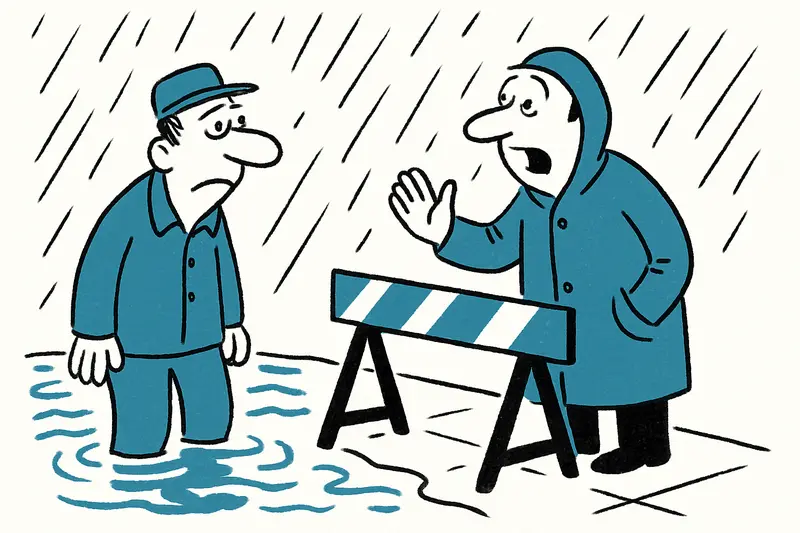
Around 6:30 p.m. a powerful thunderstorm swept across the island's interior, leaving a trail of flooded streets, waterlogged basements and several landslides. Into the night the Balearic government recorded around 16 operations, mainly due to floods and landslips, as reported in Thunderstorms over Mallorca: Streets Flooded, Parks Closed — Are We Prepared? Pumps roared, shovels scraped, and the smell of wet earth lingered long in the now cooler air.
The scene between Mancor de la Vall and Caimari
So many stones and mud built up on the connecting road that the route had to be closed temporarily. Residents of Caimari stood outside with plastic gloves and shovels, older neighbors helped as best they could. Firefighters and road maintenance crews worked for hours to clear mud and debris. Such images are not new here — but they are happening more often than many would like.
Palma: parks and Paseo Sagrera closed
In Palma several green areas remained closed, and the Paseo Sagrera on the Paseo Marítimo was cordoned off as a precaution. The city administration cited safety reasons; walkers were asked to respect the barriers. Puddles lay along the harbor promenade, blown leaves were gathered by police, and in some cafés owners had already retracted their awnings — a quiet, almost domesticated scene after the storm, similar to coverage in Sudden Storm in Palma: A Weather Shock and the Question of Protecting Mallorca.
Rescue services working around the clock: Fire brigade, Policía Local, Guardia Civil and the road maintenance teams coordinated operations. Fortunately there were no serious injuries. Assistance focused on pumping out basements, safety measures and removing debris. Still: every flooded garage, every eroded slope is work and stress for residents and emergency personnel.
Key question: Are we prepared — or just reactive?
The thunderstorm poses a simple but urgent question: Are our municipalities and local councils sufficiently prepared for such extreme events, which seem to be occurring more frequently? In short: the answer is complicated. Technically many emergency plans have been implemented, as noted in Severe weather on Mallorca: When it really becomes critical — and what's still missing, but recurring floods and landslides show that ad hoc help is not enough. Problems too often occur where drains are clogged, slopes are not properly secured or drainage gutters are poorly maintained.
What is often missing from public debate
We talk a lot about operations and damage — but too rarely about preventive measures: regular cleaning of street drains, long-term slope stabilization, natural water retention in agricultural areas and repaired bridge edges. Agricultural use and the removal of old terraces also affect water retention. And then there is the question of priorities: do we invest in tourist infrastructure, or do we cut back on the very structures that protect our villages?
Concrete opportunities and solutions
A few proposals that should not remain paper-only: first, a regular winter service for drains and gutters at municipal level. Second, targeted subsidy programs for owners on slopes to build small retaining walls and catchment basins. Third, stronger neighborhood and volunteer structures that can raise the alarm quickly and provide initial assistance in emergencies. Fourth, an easy-to-use reporting system via app or phone for acute blockages or emerging landslides — fast information often determines the extent of damage.
In the long term the topic also belongs in spatial planning: where do we build, how do we secure slopes, which areas do we allow to remain for natural retention? These are political decisions that should not be made only after the next flood.
Practical advice for the coming hours
For the next few hours exercise caution. Roads can be slippery or blocked. If possible, stay at home; check basements and underground garages; protect electrical appliances and do not drive through flooded sections. A short visit to elderly neighbors to check that everything is okay costs little — but helps a lot.
Cleanup will take a while. In the streets you can hear the pumps and the scraping of shovels — a soundscape that shows neighborly commitment but also points to gaps in preparedness. One question remains: do we want to improvise after every storm, or will we use the experience now to become permanently smarter?
We will keep you updated as soon as there is new information on closures or all-clear notices.
Frequently asked questions
What should I do in Mallorca after a heavy thunderstorm and flooding?
How common are mudslides and landslides in Mallorca after storms?
Is it safe to walk in Palma parks after a thunderstorm?
Why was the road between Mancor de la Vall and Caimari closed after the storm?
What emergency services respond to storm damage in Mallorca?
Why do some Mallorca streets flood so quickly after short storms?
What flood prevention measures are missing in Mallorca?
What should I check at home in Mallorca after a storm?
Similar News

Who Bears the Burden? Mallorca Between Tenant Protection and Landlord Fears
Madrid's new housing decrees strengthen tenant rights — but on Mallorca concern is growing: will the law drive small lan...
On the Edge: What Mallorca's Airport Loses If a Major Low-Cost Carrier Falters
The company that operates numerous connections from Palma to France and domestically is negotiating with creditors to re...
Ballermann star Frenzy wins 'Villa of Temptation' and donates prize money to Mallorca animal rescue
Ballermann singer Frenzy won the German reality show and donated the remaining prize money — around €14,080 — to an anim...
70 Trees Removed on Avenida Jaume I: What's Happening in Santa Ponça?
On October 1 the final redevelopment phase on Avenida Jaume I in Santa Ponça begins: 70 trees and old streetlights are t...

When a Boundary Is Crossed: The Case of Isi Glück and the Responsibility of Venue Operators
The singer from Mallorca reports an assault backstage in Halle. A clear guiding question, analysis of missing protective...
More to explore
Discover more interesting content

Can Cap de Bou

Townhouse Lleo 72
