

Sudden Storm in Palma: A Weather Shock and the Question of Protecting Mallorca
A sudden thunderstorm surprised Palma – ankle‑deep water in the streets and questions about the city's infrastructure. What must Mallorca learn for the next flash flood?
When Palma stood in the rain at midday: brief shock, long questions
It was one of those moments you do not expect: around 1 p.m. a dark band moved across the Passeig within minutes and the sun was gone. What followed was not a gentle drizzle but a heavy downpour accompanied by lightning and thunder, similar to incidents covered in Storm Alert: Is Mallorca Prepared for the Deluge?. Puddles formed on Avenida Jaime III, bike paths in Portixol were flooded and small streams ran across the roadway in the harbor. Waiters in the street cafés shouted 'corre, corre', guests sought shelter under awnings, and the smell of wet asphalt was everywhere.
The key question: Are we prepared for such surprises?
Such storms are not new, but their frequency and intensity feel suddenly greater to many residents. The question hanging over the wet Passeig is clear: are the city gutters, sewers and the maintenance of the Riera sufficient to cope with such events, as discussed in Sudden Severe Weather: Mallorca Between Heat Haze and Heavy Rain? A quick look at the images from Monday shows: in some places water flowed around parked bicycles, in others ankle‑deep pools formed. An annoyance for drivers, potentially dangerous for pedestrians.
What is often overlooked
Public debate often fails to clarify how much of the problem is technical and how much is due to urban maintenance, planning and information. Three points stand out: first, the regular cleaning of drains and gutters. Leaves, trash and sand clog drainage much faster than many think – especially after long, warm periods with little rain. Second, green infrastructure and infiltration areas: where surfaces are asphalted, water has no natural way back into the groundwater. Third, communication: short‑term severe weather warnings do not always reach everyone quickly enough, especially tourists and spontaneous walkers on the promenade, as highlighted in First storm warning, then sun: How well is Mallorca prepared for this changeable weather?.
Concrete solutions – what would help now
Some measures could be implemented immediately and would mitigate the effects of such storms. Regular cleaning schedules for street gutters and manhole covers before the rainy season help water drain instead of pooling. De‑sealing urban surfaces, more green areas and retention basins – even on a small scale, such as planting islands in parking lots – increase infiltration. Additionally: more permeable surfaces on paths and parking lots reduce direct surface runoff.
It is also important to have a clear information strategy: SMS warnings, notices on large promenade displays and information in tourist offices can provide short‑term protection. And finally: municipal emergency plans that work hand in hand with local businesses – cafés, boat rental operators and hoteliers often know best how to get guests to safety quickly, a point explored in New Storm Front on Mallorca: How Prepared Are the Island and Its People?.
The climate background – yes, it plays a role
A single thunderstorm is not proof of a new climate, but the tendency toward more intense, short‑duration rainfall is being observed in the Mediterranean region. Warmer air can hold more moisture, and when conditions are right, that moisture is released in stronger showers; similar rapid shifts are described in Sudden weather change in Mallorca: heat, storms — is the island prepared?. Mallorca therefore needs not only short‑term better preparedness, but long‑term planning: stronger sewer networks, more retention areas in the mountains and along the Rieras, and an urban master plan for heavy rain.
What people on site notice
For many Monday was a little shock: children excitedly jumping in puddles; a neighbor laughing as she carried her dog into the car; waiters hastily gathering cups and plates. Such scenes also show local resilience – Mallorcans are practiced in improvisation. Still, improvisation is no substitute for good infrastructure.
A pragmatic outlook
Forecasts predict colder temperatures toward the end of the week and even the possibility of snow at higher elevations. More wind is expected from Tuesday, so: bring a hat and sturdy shoes for promenade walks. And a small practical tip from here: a compact umbrella in your bag often makes the day better in Mallorca in November.
The lesson from Monday is twofold: weather can surprise quickly — and we can do a lot to make the city less susceptible to surprises. A bit more maintenance of street drains, a few greener islands in the city and a clear warning plan would prevent many small weather dramas. That way Palma remains not only beautiful but also safer when the sky cries briefly and violently.
Frequently asked questions
What should I expect from sudden thunderstorms in Palma, Mallorca?
Is Mallorca prepared for heavy rain and flooding?
What areas in Palma are most likely to flood after a storm?
What should I do if a storm hits while I’m walking in Palma?
How can Mallorca reduce storm water flooding in cities?
Do weather warnings in Mallorca reach tourists quickly enough?
Is it still worth going for a promenade walk in Palma when the weather is changeable?
Does warmer Mediterranean weather mean more intense rain in Mallorca?
Similar News
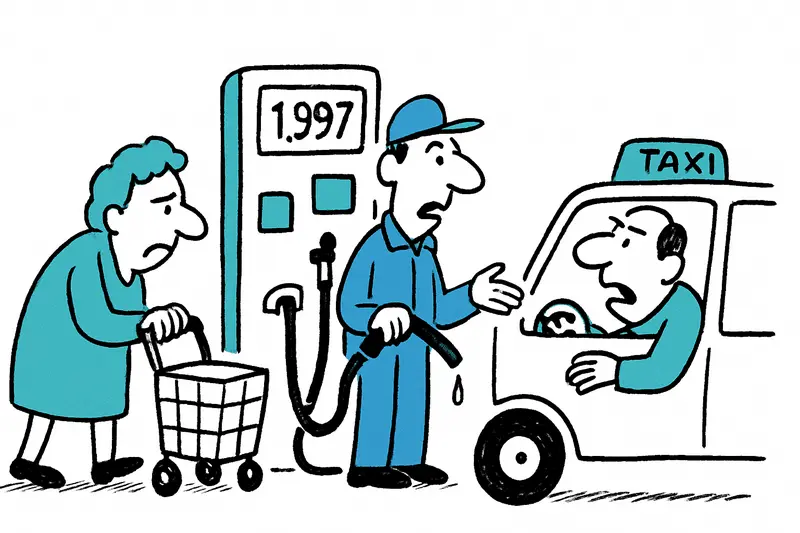
The End of the Cheap Ride? Why Mallorca Is Hit Harder by the Fuel-Price Shock
Gasoline and diesel average close to two euros per liter. What this means for commuters, supply chains and renters in Ma...
Relaxed liquid rules in Munich: What Mallorca travelers will notice
At Munich Airport the 100-milliliter rule will be lifted at all checkpoint lanes — thanks to new CT scanners passengers ...
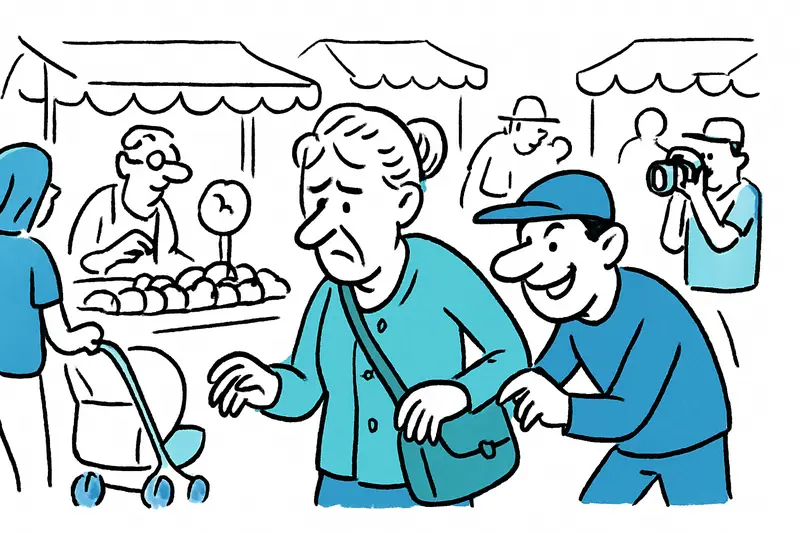
For 45 Years on Mallorca — and Then This: How a Market Visit in Santa Ponsa Became a Lesson
A woman who has lived on the island for decades lost money and important documents at the Mercat Setmanal in Santa Ponsa...
10 percent surcharge on the beach: How legal and transparent is the extra charge at Playa de Muro?
A German part-time resident noticed days after a restaurant visit in Playa de Muro that the bill included a flat ten per...
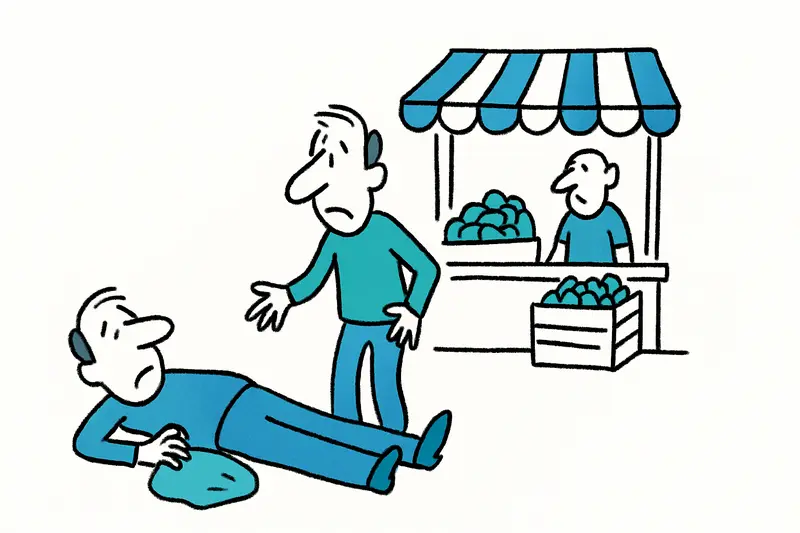
Body near the Llevant Market: What this death says about our city
A man was found dead on Sunday afternoon near the Llevant Market. Police say the death appears natural. The scene raises...
More to explore
Discover more interesting content

Can Cap de Bou

Townhouse Lleo 72
