
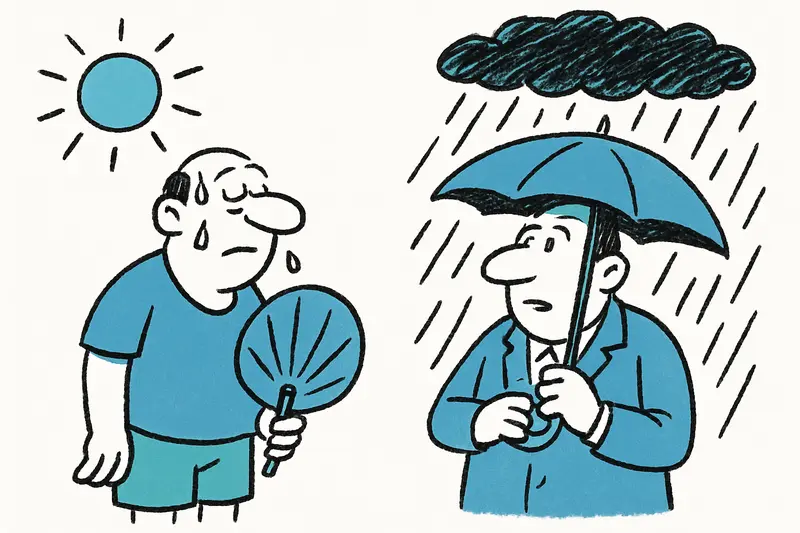
Sudden weather change in Mallorca: heat, storms — is the island prepared?
First temperatures up to 37 °C, then heavy rain and thunderstorms: Why sudden weather shifts test Mallorca's infrastructure and daily life — and what to do.
Sudden weather change in Mallorca: heat, storms — is the island prepared?
The island is showing its fickle side once again: in the morning the chirping of cicadas and street vendors on the Passeig Marítim, in the afternoon the patter of rain on the balconies. The national weather agency Aemet has issued a series of warnings ranging from extreme heat to strong thunderstorms, a situation described earlier in Sudden Severe Weather: Mallorca Between Heat Haze and Heavy Rain. Beyond the usual weather report, an urgent question arises: are our roads, basements and work plans prepared for such rapid shifts?
Heat as a prelude: Thermometer up to 37 °C
On Tuesday temperatures in the city were already well above 30 °C, with up to 37 °C measured in some southern and inland neighborhoods. On the promenade walkers sought shade, and fishermen in Portixol brought their boats ashore earlier – "Not a day for long trips," said an old seaman as seagulls circled the harbor. Such heat phases have their own logistical effects: higher water consumption, greater stress on road surfaces and an increased risk of wildfires in open countryside.
The front on Thursday: intense and fast
For Thursday Aemet is forecasting a cold front meeting moist air masses. Locally heavy showers and thunderstorms with up to 20 liters per square meter in one hour are expected – enough to turn small streets into puddles within minutes. The warnings particularly affect the island interior, the Serra de Tramuntana and the northeast; the highest intensity is expected roughly between 6 a.m. and 6 p.m. If gusts accompany the rain, loose balcony furniture and poorly secured construction sites can become a nuisance.
Which dangers are often underestimated?
What is sometimes overlooked in public debate is the combination of problems: older sewage systems, parked cars blocking gutters and insufficiently maintained basement drains. On the PM-10 I saw workers checking drains – a good sign, but not nearly enough across the board. Then there are the tourism businesses: holiday apartments with poorly secured furniture and landlords who cannot react at short notice. For farmers such a shift also means stress for harvests and irrigation planning.
Concrete measures — what helps immediately
A few pragmatic steps that can have an immediate effect:
1. Cities and municipalities: Faster inspection and cleaning of gutters and drains in particularly vulnerable neighborhoods; temporary closures of known problem spots during heavy showers.
2. Homeowners and landlords: Secure balcony furniture and lightweight items, check basement ventilation and drains, review insurance terms for water and storm damage.
3. Tourism sector: Provide guests with clear checklists for short-term weather warnings (e.g. where safe shelters are, how evacuations are carried out).
4. Hikers and day-trippers: Especially in the Tramuntana bring a rain jacket and sturdy footwear; streams can rise quickly — check route choices in the morning.
Long-term tasks
Regardless of the current warning level, bigger tasks remain: better urban drainage, unified notification systems for rapid road closures and a networked alert culture for tourism, agriculture and ports. In addition, a systematic plan for the maintenance of urban greenery is needed: regularly pruned street trees reduce the danger of falling branches during gusts, as noted in New Storm Front on Mallorca: How Prepared Are the Island and Its People?.
Final recommendation
No disaster scenario has been announced yet — but the combination of heat and subsequent heavy rain shows how quickly everyday life in Mallorca can be disrupted. My advice for the weekend: bring balcony furniture inside, check drains and keep the Aemet app on your phone. If you hear the first rumble of thunder in the distance, take it seriously — and enjoy beforehand the warm scent of sea and hot asphalt while it lasts.
No reason to panic, but reason enough to act.
Frequently asked questions
Why can Mallorca weather change so quickly from heat to thunderstorms?
How hot does Mallorca get before a storm, and what should I expect?
Is it safe to go hiking in the Serra de Tramuntana when storms are forecast in Mallorca?
What should homeowners in Mallorca do before heavy rain and strong wind?
Are Mallorca roads and basements at risk during sudden thunderstorms?
What is the best way to get weather warnings in Mallorca?
What should tourists in Mallorca do during a sudden storm warning?
Does hot weather in Mallorca also increase wildfire risk?
Similar News
Who Bears the Burden? Mallorca Between Tenant Protection and Landlord Fears
Madrid's new housing decrees strengthen tenant rights — but on Mallorca concern is growing: will the law drive small lan...
On the Edge: What Mallorca's Airport Loses If a Major Low-Cost Carrier Falters
The company that operates numerous connections from Palma to France and domestically is negotiating with creditors to re...
Ballermann star Frenzy wins 'Villa of Temptation' and donates prize money to Mallorca animal rescue
Ballermann singer Frenzy won the German reality show and donated the remaining prize money — around €14,080 — to an anim...
70 Trees Removed on Avenida Jaume I: What's Happening in Santa Ponça?
On October 1 the final redevelopment phase on Avenida Jaume I in Santa Ponça begins: 70 trees and old streetlights are t...

When a Boundary Is Crossed: The Case of Isi Glück and the Responsibility of Venue Operators
The singer from Mallorca reports an assault backstage in Halle. A clear guiding question, analysis of missing protective...
More to explore
Discover more interesting content

Can Cap de Bou

Townhouse Lleo 72
