
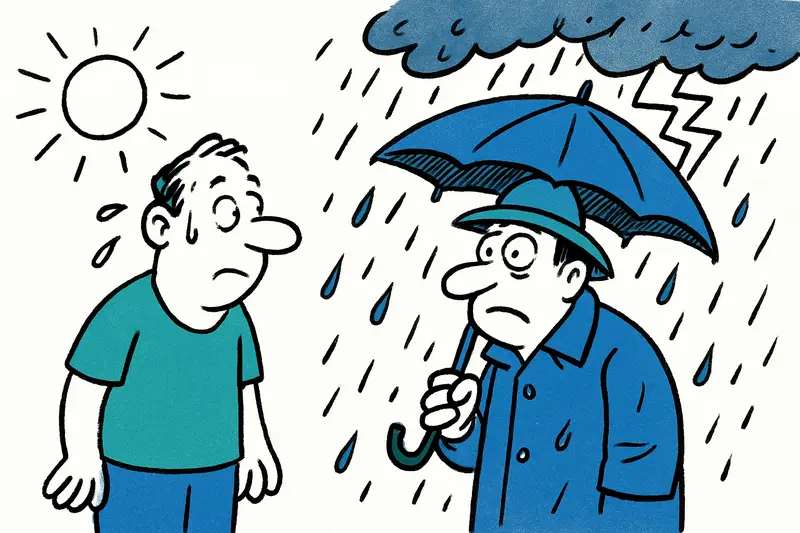
Sudden Severe Weather: Mallorca Between Heat Haze and Heavy Rain
Within a few hours the weather on Mallorca changed abruptly: from oppressive heat to powerful thunderstorms. Which areas remain particularly affected, which risks are less visible — and what can residents, tourists and authorities do now in practical terms?
From sunloungers to a deluge-like atmosphere: an island in fast-changing weather
In the afternoon there was still that typical, shimmering heat over Palma. Engines hummed in the harbour bay, people sought shade under the plane trees — and two hours later you could already hear the distant rumble of thunder. The central question on many minds now is: Is Mallorca prepared for such sudden weather shifts that turn a blazing calm into heavy rain and thunder within a single day, as outlined in Thunderstorms, Downpours, Cooling and Contrasts: Is Mallorca Ready for Summer Storms??
Where it will be worst — and why this is not just local news
The south and east of the island are particularly vulnerable: Campos, Felanitx, Santanyí. Here short, very intense showers can occur, locally bringing significant rainfall in a short time, as noted in Storm alert on Friday: Is Mallorca prepared for heavy rain?. For locals this means: little advance warning and fast decisions. For infrastructure it means stress on the sewage system, sudden street flooding and problems at temporary events.
Tramuntana and the island interior: underestimated dangers
The mountains are not spared. On hairpin bends small side streams form quickly, wet rocks can slip and tight curves become danger spots. The morning view can be wet and slippery even though everything seemed dry the night before. Many think of coasts and boats first with storms — but in the mountains rescue operations and road closures are often the greater challenge, a point highlighted in Severe Weather Warning for Mallorca: Are Our Towns and Beaches Prepared?.
Temperature drop: relief with side effects
The heat wave is suddenly interrupted. Days cool to mostly below 31 degrees, and nights become noticeably fresher. For tourism a breather; for workflows in agriculture and construction the wetness means delayed harvests, waterlogged building sites and wet transport routes. Drinking water supplies benefit from rainfall in the long run — but in the short term the rain can cause damage.
Aspects that are rarely discussed
Often less visible are these points: clogged village drains and finca tracks that turn into mud tracks during heavy rain; poorly secured market stalls that can topple in minutes; and insurance issues for small boat owners and landlords. Also little discussed is the strain on emergency services: when multiple call-outs are needed at once, resources become thin.
Critical period: an extended weather situation
A larger shower system is moving across the island. That means prolonged warning phases, not just isolated short showers — a situation discussed in depth in Storm Alert: Is Mallorca Prepared for the Deluge?. Those out in the morning should allow extra time, because traffic jams and detours are possible — a common occurrence during thunderstorms in narrow valleys and along coastal roads.
Concrete recommendations — what authorities, locals and visitors can do
Authorities should check drain steps and gullies before the next rain, put up proactive warning signs at danger spots and, if necessary, communicate speed reductions on mountain roads. For event organizers this means: have a plan B ready, check tent fixings and cancel at short notice if safety risks exist.
Locals and holidaymakers can act quickly: secure balcony and garden furniture, check exterior cladding, and avoid parking vehicles in hollows. Walkers and mountain hikers should postpone planned tours; boat owners should berth or secure lines in the short to medium term. A quick review of insurance policies can also help avoid unpleasant surprises.
What to take away
Keep an umbrella and a lightweight waterproof jacket within reach. Check traffic information early; take apps and local alerts seriously. And: better to arrive an hour late at the harbour than to be stranded in a flooded bay. For gastronomy and market stalls the rule is: dismantle quickly rather than take the risk — the loss is usually smaller than the repair after flooding.
Looking ahead: opportunities in adaptation
Such weather patterns are a test run for better preparedness. Sustainable measures — regular cleaning of drains, adapted building practices, clear communication chains for warnings — would make the island more resilient. In the short term, vigilance helps. In the medium term we need planning: not only for the next storm, but for an island that will swing more often between heat and heavy rain.
Until the weather calms again: stay alert, watch for water under footbridges and enjoy the smell of wet earth after the storm — but not without caution. Mallorca remains beautiful, even when the weather is moody.
Frequently asked questions
Why does Mallorca sometimes go from hot sunshine to heavy rain so quickly?
Which parts of Mallorca are most exposed to sudden heavy rain and thunderstorms?
Is it still safe to go hiking in the Tramuntana during unstable weather in Mallorca?
What should I pack for Mallorca if storms and heavy rain are possible?
How much does heavy rain usually cool Mallorca down?
What can happen on Mallorca’s roads during sudden thunderstorms?
Are market stalls and outdoor events in Mallorca at risk during heavy rain?
What should boat owners in Mallorca do when storms are expected?
Similar News
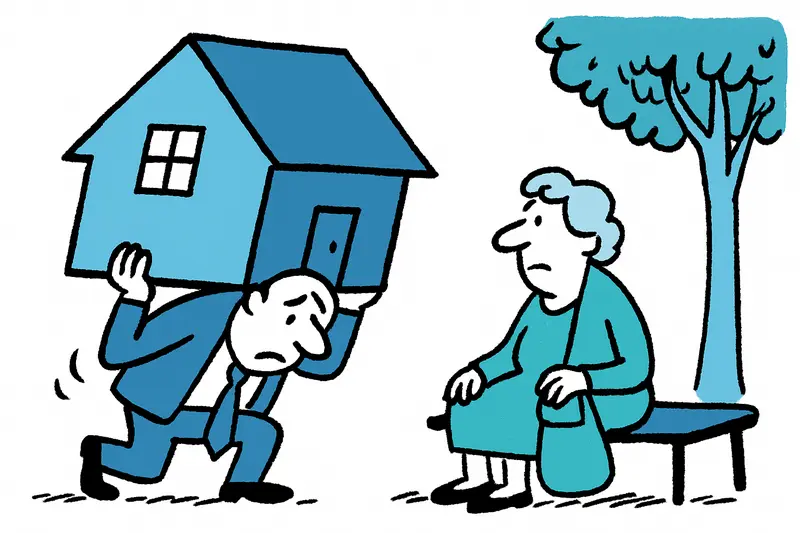
Who Bears the Burden? Mallorca Between Tenant Protection and Landlord Fears
Madrid's new housing decrees strengthen tenant rights — but on Mallorca concern is growing: will the law drive small lan...
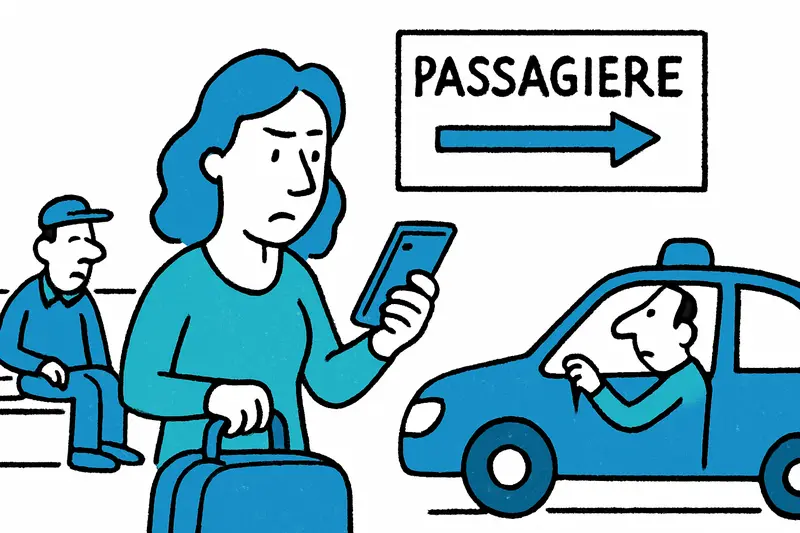
On the Edge: What Mallorca's Airport Loses If a Major Low-Cost Carrier Falters
The company that operates numerous connections from Palma to France and domestically is negotiating with creditors to re...
Ballermann star Frenzy wins 'Villa of Temptation' and donates prize money to Mallorca animal rescue
Ballermann singer Frenzy won the German reality show and donated the remaining prize money — around €14,080 — to an anim...
70 Trees Removed on Avenida Jaume I: What's Happening in Santa Ponça?
On October 1 the final redevelopment phase on Avenida Jaume I in Santa Ponça begins: 70 trees and old streetlights are t...

When a Boundary Is Crossed: The Case of Isi Glück and the Responsibility of Venue Operators
The singer from Mallorca reports an assault backstage in Halle. A clear guiding question, analysis of missing protective...
More to explore
Discover more interesting content

Can Cap de Bou

Townhouse Lleo 72
