
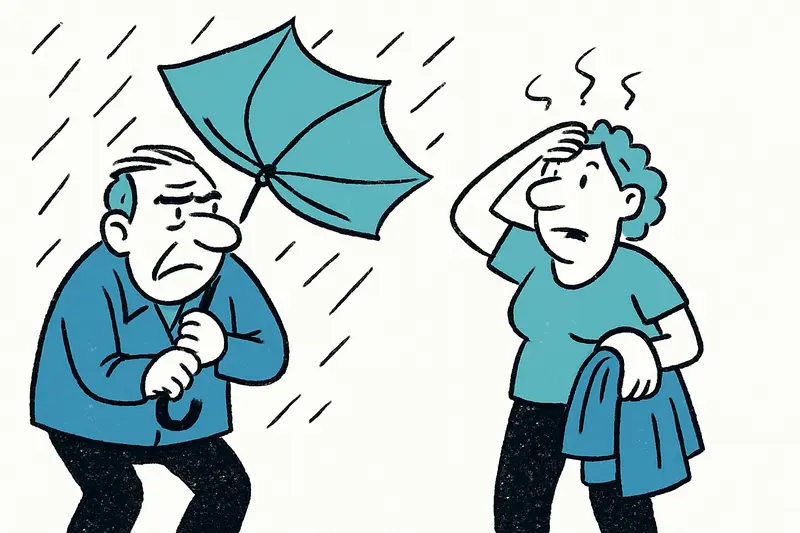
Ex-Hurricane Gabrielle brings warm, humid unrest to Mallorca
The weakened low of ex-Hurricane Gabrielle brings warm air, short showers and gusty winds — and raises questions about the island's preparedness for such weather extremes.
Warm, humid weekend between showers and gusts – and the question: How well is Mallorca prepared?
The former hurricane Gabrielle has long lost its strength but remains present as a low-pressure vortex over the Mediterranean, pushing warm, humid air masses over Mallorca; see Ex-Hurricane Gabrielle: Mallorca Prepares — Why Preparedness Is More Than 'Bring the Sunshade In'. Anyone who still has beach plans this weekend or walks the dogs to the platja early in the morning will notice: daytime will be unusually mild, and nights will not cool down. The central question is therefore: how well does the island cope with such variable but intense weather situations?
What to expect
Aemet indicates maximum temperatures between 25 and 29 °C — on the warm side for late September. Especially in sheltered valleys and along some stretches of coast, tropical nights are possible, when the thermometer does not drop below 20 °C. You can feel the humidity with the first coffee smell at the mercado; market vendors complain about sticky mornings. Early joggers start sweating immediately.
Rain, storms and wind: local differences matter
The system brings a mix of short downpours, longer-lasting showers and more localized thunderstorms. In the east of the island, heavy local rain and intense lightning showers are more likely. Winds increase especially along the coasts and cause gusty phases — the rustling of pine trees in suburban areas can suddenly turn into nervous clattering of awnings and loose metal.
These episodes show: microclimate is king. While sunseekers may still sit on Platja de Palma, a heavy shower in an inland valley can already cause wet streets and overflowing drains.
What is often overlooked
Public debates usually focus on the next few hours; few talk about the follow-up effects: tropical nights put a strain on the elderly, shift workers and tourists sleeping in apartments without air conditioning. Warm, humid periods promote fungal diseases in vineyards and orchards — which can worry growers. And: heavy rain in a short time stresses the drainage network; clogged gutters and lack of maintenance quickly reveal their consequences, as reported in After Gabrielle: How weatherproof is Mallorca really?.
Small things also matter: cars parked under pines are at risk from falling needles and gusts, improvised sun sails can come loose and become flying objects, and owners in smaller marinas must check their boats critically.
Concrete recommendations for action
What can authorities and citizens do at short notice? Some pragmatic steps:
For municipalities: check and clear drains and streams, provide short-term notices to residents via loudspeakers or social media, coordinate inspections in maritime facilities.
For businesses and tourist hosts: inform guests about nighttime heat, have verifiable emergency plans, securely fasten outdoor furniture and awnings — and offer flexible check-in times if flights or ferries are affected.
For residents: secure loose items, check drains and gutters, avoid parking under trees, pay attention to local warnings and plan outdoor activities for calmer periods.
Opportunities in instability
A sunny perspective: cafes with covered terraces benefit, places with natural shade become more attractive, and demand for local trades (awning repairs, roof cleaning) creates short-term work. The mercado sees more visitors again — the barista laughs and says: "More warmth, more milk coffee." A small sign of how everyday life and the economy adapt.
Looking ahead
The instability will persist into Monday, with a slight easing expected from Tuesday. In the long term, however, Gabrielle highlights something more important: Mallorca must increasingly expect abrupt, energetic weather events — and that means infrastructure, agriculture and tourism need to become more adaptable. Small measures, better communication and a watchful eye on the local microclimate can save a lot of hardship and effort in the coming years.
In the end, it is also a neighborhood matter: who helps secure an awning? Who sweeps the corner of the pavement clear? In times when sea and sky are capricious, the resilience of an island becomes visible — and how much everyday life depends on these small, often overlooked preparations.
Frequently asked questions
What weather should Mallorca expect during the remains of Gabrielle?
Can you still go to the beach in Mallorca when the weather is unsettled?
Why do nights in Mallorca feel so warm during this weather pattern?
Is it likely to rain in Mallorca this weekend?
How strong will the wind be in Mallorca during Gabrielle's aftermath?
What should residents in Mallorca do before the bad weather arrives?
Does heavy rain in Mallorca cause flooding problems?
How prepared is Mallorca for sudden weather changes like Gabrielle?
Similar News
Holiday in Mallorca: Where you can still shop on Monday, October 12
The Spanish National Day on Monday, October 12: many shops remain closed, but some supermarket branches and outlet store...
Advertising poster relocates Palma to the mainland - what the mistake says about us
An advertising poster for flights from Andorra shows Palma on the Spanish mainland. Why such an error occurs, what is mi...
Who Protects Valldemossa's Charterhouse? A Construction Site That Leaves More Questions Than It Opens
Two new entrances in the Claustre de les Murteres have pitted the administration against the opposition. Who authorized ...
Between Runway and Keel: How Boatbuilding Lives in Son Bonet, Mallorca
In the small Son Bonet airport, craftsmen preserve the island's boatbuilding tradition: restoration work, woodworking gu...
Debris by the Pool, Fear in the Streets: What to Do About the Squatted Hotel in s'Arenal?
For weeks people have been living in a vacant hotel on Rua Girona in s'Arenal. Trash, noise and insecurity plague reside...
More to explore
Discover more interesting content

Can Cap de Bou

Townhouse Lleo 72
