
Stranded yacht 'Acoa' at Son Servera: Who pays when responsibility is unclear?
Stranded yacht 'Acoa' at Son Servera: Who pays when responsibility is unclear?
The 27-meter luxury yacht 'Acoa' has been lying in the surf at Playa de Sa Marjal for weeks. Questions of ownership, high salvage costs and environmental hazards have led to a legal tug-of-war. Who will foot the bill — and why is it taking so long?
Stranded yacht 'Acoa' at Son Servera: Who pays when responsibility is unclear?
Key question: Who is legally and practically responsible for salvage and environmental protection — the owners, the skipper, the insurer or the authorities?
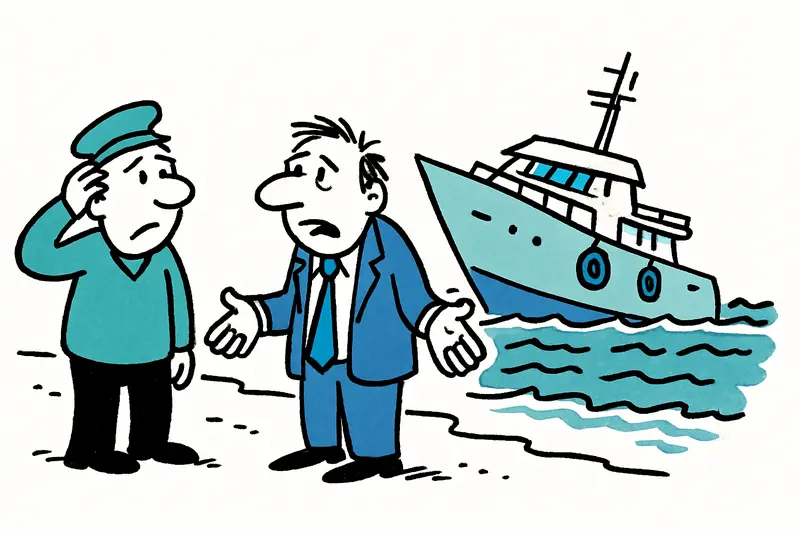
Since mid-January the aluminium yacht 'Acoa', 27 metres long, has been lying in the surf at Playa de Sa Marjal, listing in the sand. You can see the hull, the blows of the waves, rubber tyres used as fenders, and walkers who stop, take photos and stare. Children collect shells barely a hundred metres away. The smell of salt, the cries of gulls, the distant horn of a boat: a normal winter afternoon on the east coast — and yet an unusual sight in a summer bay.
The facts are sparse: Storm 'Harry' drove the vessel ashore on 19 January. On board was the 68-year-old skipper, who was injured in the grounding and rescued. Three men from Germany are named as purchasers or partners in the yacht; ownership is described differently. A cost estimate from a salvage company in Palma is available: more than €300,000 for freeing and towing to Port d'Alcúdia, including tugs, disposal and a preventive oil barrier. The island council's environmental department is demanding a rapid salvage and prioritises pumping out fuel. Tank capacity: around 5,000 litres; allegedly there are currently about 500 litres of diesel on board. A similar case where the municipality paid substantial salvage costs is reported in Wrecks in the Bay of Pollenca: Municipality pays – but who bears responsibility?.
The situation is not only nautically precarious, it is legally a gamble. A co-owner, skipper Klaus Fietzeck, wants to get rid of his share for one euro. Another, Franz Osthoff, talks of 'partners' and uncertainties about the exact role. And somewhere an alleged crowdfunding campaign is described, whose initiators and access to the funds remain unclear. Security personnel and cameras are said to protect the yacht from 'beach pirates'. The result: confusion instead of a quick solution. The public debate echoes broader questions covered in Who Pays the Beach Bill? 365 Boats, €365,000 and an Unresolved Problem.
Critical analysis: Authorities are pushing for swift action — for good reason. Fuel residues, loose fuel lines, batteries, oil filters and lubricants are hazards at sea. Even 500 litres of diesel can cause ecological damage if it leaks, and in a shallow, sandy bay with bathing activity the risks are higher. At the same time the legal instruments are outdated: unclear ownership delays decisions, insurance matters are not publicly clarified, and administrative permits for salvage and towing take time. All this multiplies costs and dangers.
What is missing in public discourse: clear information about insurance coverage, simple access to the ownership structure, a transparent plan for the use of funds raised in crowdfunding, and a timely overview of environmental hazards (e.g. actual fuel level, condition of the tanks, contamination risk from damaged machinery). Much is being speculated publicly, little specified. Residents deserve to know whether an oil sheen is likely, whether swimming bans are necessary or whether parts of the beach need to be closed.
An everyday scene from Son Servera: In the early afternoon pensioners walk dogs at Playa de Sa Marjal, a fisherman checks his small boat in the harbour, young people sit on the rocks and talk about nothing in particular — while the 'Acoa' remains motionless. The cameras on the pier film the scene, tourists ask questions, locals shake their heads. The island often has storms, but rarely so much uncertainty on land.
Concrete approaches, pragmatic and legally sound:
1) Immediate measure: Hire a specialist company to publicly check the fuel level and the condition of the tanks and, if necessary, pump them out immediately. Establish a provisional exclusion zone around the wreck for bathers and recreational boats.
2) Clarification: Disclose ownership and insurance data (who is liable, which insurance applies, what exclusions exist). Authorities should set a deadline with owners and insurers for binding payments.
3) Financing: If private funds are lacking, the island council can set up an escrow account accessible only for salvage and environmental protection; fundraising should be vetted before any payout. Clear rules for crowdfunding: who is the recipient, who manages the funds?
4) Legal prevention: Faster administrative procedures for imminent environmental hazards (emergency permits), stricter requirements for owners of seagoing vessels that regularly remain in foreign waters, and clearer sanction mechanisms against negligence or the 'abandonment' of a vessel without secured salvage reserves. High-value charter cases such as Former king's yacht between Ibiza and Mallorca: Luxury, history — and who actually pays? illustrate the ownership complexities.
5) Communication: Daily situation reports for residents and beach users, name clear contact persons so that a culture of rumours and mistrust of private security services does not dominate.
Conclusion: The 'Acoa' is not a postcard motif but a test case for crisis management on Mallorca's coasts. It's not just about technology and money. It's about transparency, taking responsibility and speed. When owners offer shares for one euro and at the same time speak of 'partners', that does not help the bay. The island does not need a theatrical display of legal uncertainties, but a plan that protects and balances the accounts — and fast. Son Servera cannot allow the yacht to remain an arbitrary foreign body indefinitely. In the end the public pays the bill if nothing is done. That should be clear to everyone, especially in a place where people drink their coffee on the beach.
Frequently asked questions
Who has to pay if a yacht runs aground in Mallorca and the owner is unclear?
What should happen first after a grounded boat is found on a Mallorca beach?
Can a grounded yacht in Mallorca leak diesel into the sea?
Why do salvage costs for a yacht in Mallorca become so high?
Is it safe to swim near a stranded yacht in Mallorca?
What is special about Playa de Sa Marjal in Son Servera after the Acoa grounding?
What is the environmental risk from a stranded yacht in Son Servera?
What can Mallorca authorities do if yacht owners do not act quickly?
Similar News
Happy Couple and Water Damage in Mallorca: A Reality Check for Home Buyers
Just moved in, already water under Mallorca's sun: the case of the influencer couple highlights risks often overlooked w...
Bendinat as a meeting place: Padel Cup brings together nearly 120 players
Three days of padel at the Bendinat Urban Country Club: organized by El Económico and Borbalán, with around 120 particip...
Large-scale Anti-Tourism Graffiti at Cala Mendia: Protest or Vandalism?
On the morning walkers discovered an approximately 50-meter-long slogan against tourism on the wall above Cala Mendia. W...
Bomb threat before Jet2 flight in Tenerife: A reality check for security protocols
A passenger reported a bomb in luggage shortly before departure in Tenerife. Evacuation, baggage checks, delays — and ma...
Who is stripping Mallorca's coast bare? Why entire slopes are being removed for villas
On Mallorca steep slopes are again being removed to make way for luxury construction sites. Who bears the responsibility...
More to explore
Discover more interesting content

Can Cap de Bou

Townhouse Lleo 72
