
Wrecks in the Bay of Pollenca: Municipality pays – but who bears responsibility?
Three sunken boats spoil the view along the Passeig Marítim. The municipality has allocated 50,000 euros for salvage — yet legal gaps, environmental risks and a lack of prevention raise larger questions.
Wrecks in the Bay of Pollenca: Municipality pays – but who bears responsibility?
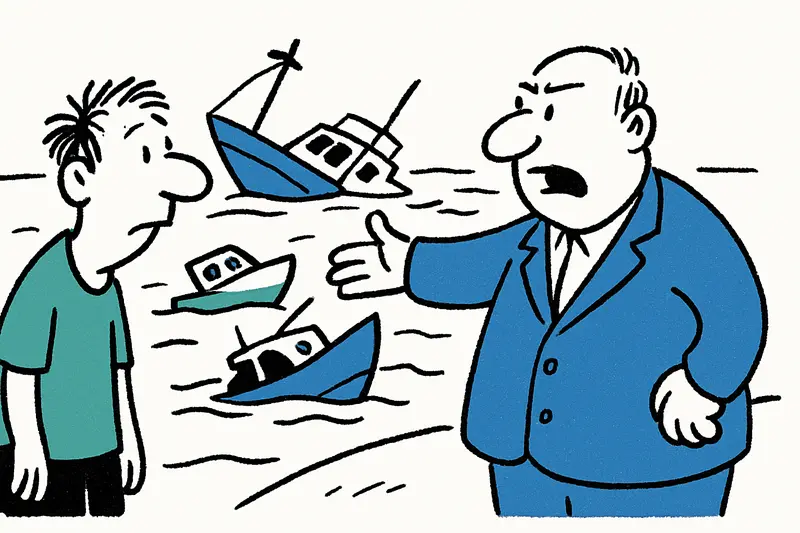
The Passeig Marítim in Pollenca feels oddly subdued this morning. Between the clinking of coffee cups and the first murmur of the waitstaff there is a sharp smell of old diesel. Three half-sunken boats gleam beneath the calm sea with rusted hulls and flaking paint — a sight that irritates residents, walkers and business owners. The municipality has reacted and set aside 50,000 euros for salvage and securing. Similar extraordinary expenditures have been reported elsewhere, for example in Who Pays the Beach Bill? 365 Boats, €365,000 and an Unresolved Problem. The central question remains: Why is the public paying for a problem that should ostensibly be private?
Who is liable when owners cannot be reached?
At first glance the solution seems simple: find the owners and make them pay. In practice it is more complicated. Many smaller boats are poorly or not registered at all, owners change, and insurance often only covers certain damages. This situation is examined in Drunk Boats, Battered Bays: When Private Boat Rentals Put Mallorca's Coasts at Risk. Clear identification and digital registers that would allow quick attribution are missing. Until liability is clarified, the wrecks continue to cause damage: visually, ecologically and economically — the latter because tourists avoid the shoreline and beach bars fight for every terrace.
More than an aesthetic problem: oil, marine life, costs
The visible oil sheen on the water brings environmental concerns to the fore. Tiny organisms, fish and birds are sensitive to fuel residues; mussel beds and seagrass meadows in protected bays suffer quickly. Rapid salvage is therefore not only a matter of city marketing but also of nature conservation. At the same time, salvage operations are expensive — 50,000 euros is an urgent budget item, but not a long-term solution. Who will reimburse the costs if the owner cannot later be identified?
What is often missing from the public debate
The public debate usually focuses on costs and filth. Less attention is paid to systemic causes: insufficient berth inspections, lack of mandatory insurance for small yachts, missing reporting requirements, and how ports handle abandoned boats. The role of insurers and shipyards — do they have recourse rights? — is seldom examined in depth. Residents also mention bureaucratic hurdles: permits for salvage take time, while oil and rust continue to cause damage. Logistical and funding complexities in such salvage operations have also been documented, for instance in Can Pastilla: The Roman Wreck and the Question of Responsibility and Funding.
Concrete steps to make such scenes rarer
There are practical measures the municipality and port authority could take now: a central, publicly accessible boat registry, mandatory identification, regular berth inspections, and compulsory insurance for environmental damage. In the short term, floating oil booms and quick coordination with specialized diving teams help. In the medium to long term, contracts with salvage companies are worthwhile so they can step in for unresolved cases and then seek recourse.
Opportunities in crisis
The situation also offers a chance: greater transparency can strengthen tourists' trust and reduce costs over time. A clear allocation of responsibilities would prevent the public from repeatedly fronting the bill. Residents could also report damage and upload photos via an app so authorities can respond faster. Such digital tools work in many small towns and would be feasible on Mallorca.
Conclusion: The municipality's 50,000 euros are a necessary immediate measure, but not a permanent solution. Who pays is only the superficial question. Far more important is why the structures remain so open that wrecks can lie around for years in the first place. As long as registration, liability and preventive controls are not improved, the Bay of Pollenca will remain vulnerable to the next rusty reminder — and the smell of diesel will serve as a wake-up call for real reforms.
Frequently asked questions
Why are there abandoned boats in the Bay of Pollenca?
Who pays to remove wrecked boats in Mallorca when the owner cannot be found?
Are sunken boats in Mallorca bad for the sea and beaches?
How fast should a sunken boat be removed from a bay in Mallorca?
Does an abandoned boat affect tourism in Pollenca?
What can Mallorca authorities do to prevent abandoned boats from piling up?
Is there a public boat register in Mallorca for checking ownership?
Why do some Mallorca beaches still have wrecks for so long?
Similar News

After Being Admitted to Hospital Again: Heinz Hoenig and the Questions We Should Ask in Mallorca
Long-time Mallorca resident Heinz Hoenig was admitted to hospital again. A clear “what next?” is missing from the covera...
Yellow Alert: Is Mallorca Prepared for the Next Rain Band?
Aemet has issued a yellow alert for the south, southwest and the island's interior. Thunderstorms and heavy rain are for...
Kegel brothers trial postponed: Why Mallorca must wait for a verdict
The trial of 13 German holidaymakers will not begin until May 2028. The long wait raises questions — for victims, defend...

Chaos on Palma's Runway: Why the Summer at the Airport Was So Disrupted
This summer laid bare where Palma airport is faltering: only just over half of departures were on time and seven percent...

Cocaine Offer on Ham Street: Why the Open Trade Should Ring Alarm Bells
In the middle of Pare Bartomeu Salvà a tourist was offered a packet of cocaine as part of a sunglasses deal. A short int...
More to explore
Discover more interesting content

Can Cap de Bou

Townhouse Lleo 72
