
Bardem on the Oscar Stage: Provocation, Principle or PR?
Bardem on the Oscar Stage: Provocation, Principle or PR?
Javier Bardem used his role at the Oscars to send a clear signal against war and in support of Palestine. A reality check: What lingers, what is missing in the discourse — and how does it look in Palma?
Bardem on the Oscar Stage: Provocation, Principle or PR?
Main question: What impact do political messages from celebrities on major stages have — and what is lost when the stage turns into a soapbox?
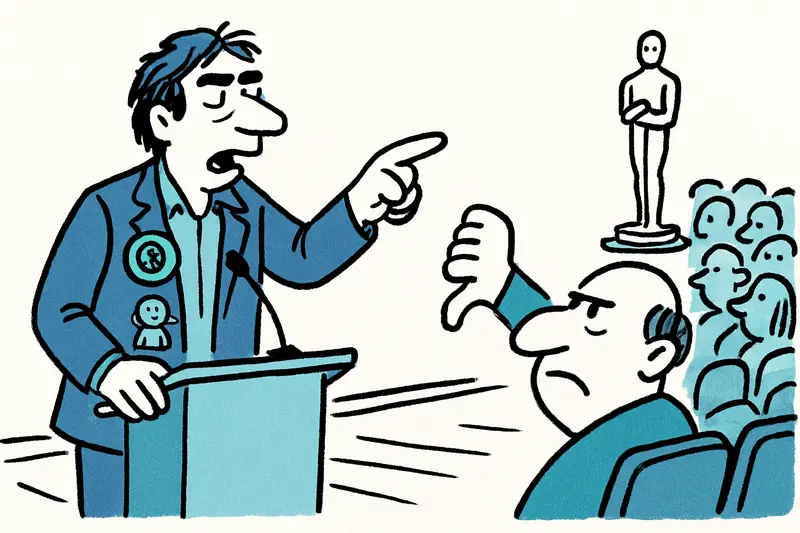
On the evening of the ceremony the Spanish actor, who regularly spends time in Majorca, visibly wore a pin with the slogan "No to war" and the image of Handala, known as a symbol of Palestinian resistance. He presented the category for Best International Film and used the minutes on stage to take a clear stand: demands for a free Palestine and a sharp characterization of the current course of the war as unlawful and built on lies. That an actor engages in politics is nothing new. The question is: What remains of it when the spotlights are switched off?
Critical analysis: Statements by celebrities reach many people, but often only as coarse headlines. Bardem's action is succinct — it sends a clear signal, attracts attention and polarizes. At the same time, such moments lack room for nuance: legal questions, humanitarian details and political processes are missing. A pin and a brief address cannot replace an in-depth debate about international humanitarian law, the roots of the violence or concrete ways to help. Celebrities can put issues on the agenda, but they cannot alone translate complex matters into practicable policy.
What is missing in the public discourse: factual information and concrete courses of action. There is rarely a clear path showing how artistic solidarity can lead to sustainable support — whether legal aid, humanitarian logistics or parliamentary initiatives. Equally rare are voices that distinguish between emotional concern and legal assessment and connect both in an informative way.
Everyday scene from Palma: In the late afternoon, while the wind blows over Passeig Mallorca and locals and tourists discuss the headlines in the café at Plaça Major, you hear exactly these gaps. This has been reflected in local reporting, including With Drones over the Mediterranean: Palma's Voices from the Gaza Flotilla and General Strike for Palestine Makes Palma Quieter — and Raises Questions. A taxi driver from Portixol shakes his head at the simplified formulas; a student from Palma complains that at university she learned more facts than empathy — and that is precisely what's missing in media conversations. Moments like these show: on the island people are interested, but they want deeper understanding.
Concrete approaches: First, film and cultural associations could organize discussions where legal experts, human rights organizations and those affected — for instance as described in Arrests at Sea: How Palma Grapples with the Detention of Three Mallorcan Women — come together. Second, celebrities who make statements should afterwards name resources or platforms through which people can directly help or inform themselves — for example donation channels with transparency requirements or links to independent fact checks. Third, it would make sense for local institutions in Majorca to create exchange formats: public discussion evenings in cultural centers, moderated forums at universities or information stands at weekly markets where concrete questions can be answered.
Conclusion: Bardem's appearance is an example of how art and politics intersect. The gesture has impact because it concentrates attention. But attention alone is not enough. Those who use the stage should also show ways in which outrage can lead to responsible action. Otherwise, in the end there will only be another image on the lapel — and the real questions remain open.
Short & concise: A clear signal from a global stage. In Palma people are discussing, but they want more depth and concrete bridges between symbolism and aid.
Frequently asked questions
Why are people in Mallorca talking about Bardem’s Oscar speech?
Do celebrity political statements actually make a difference?
What is missing when political messages are reduced to headlines?
How can people in Mallorca turn concern about Gaza into practical help?
Why do people in Palma want more than emotional reactions to world news?
What can cultural institutions in Mallorca do with political controversies?
Is it common for celebrities who live in Mallorca to comment on politics?
What is a sensible way to discuss controversial war images and symbols in Mallorca?
Similar News
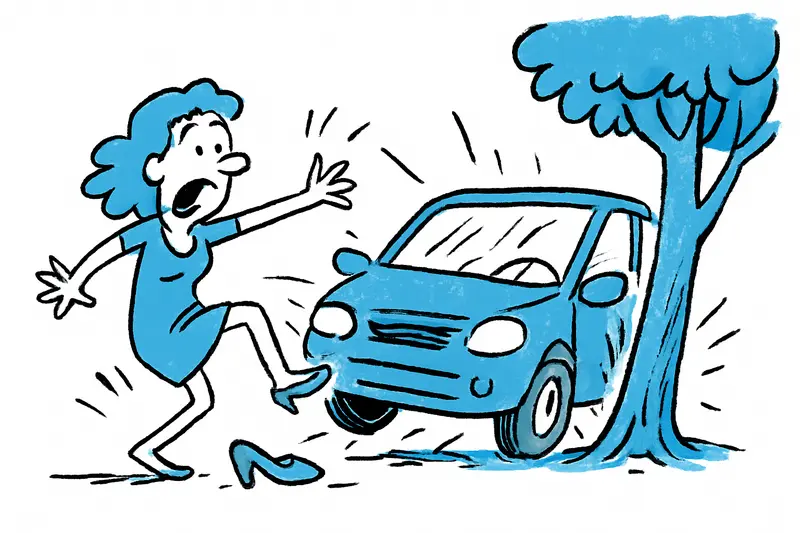
High heel slips, car accelerates: accident on Camí de Son Hugo
A woman lost a high-heeled shoe on the forecourt of the sports facility at Camí de Son Hugo. The car accelerated, mounte...
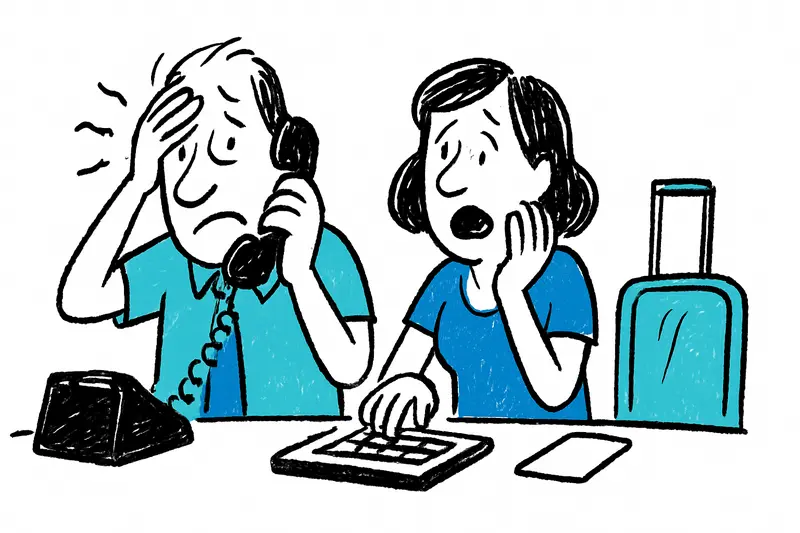
Phone Scam: How Two Hotel Employees at Playa de Palma Lost Thousands of Euros
One morning in September, two reception employees at Playa de Palma were pressured by alleged alarm-company staff — in t...
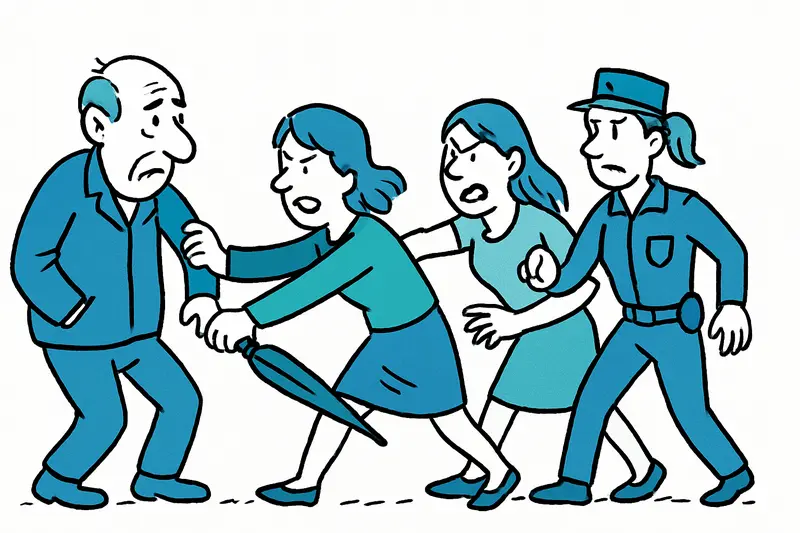
When the Wallet Becomes a Danger: Attack in Peguera and Lessons for Mallorca
In Peguera, two women are said to have stolen the wallet from a 75-year-old German couple. When the victim intervened, t...
Plata stays Plata: Young people take over, Llonguets remain
A small bar on Carrer de l'Argenteria will continue: Tolo Serra hands the place over to young Mallorcans at the end of t...
Unnoticed in the Luggage Compartment: How a Boy Traveled More Than 100 Kilometers in a Team Bus
A minor traveled in the undercarriage of a team bus for more than 100 kilometers until his cries for help were heard. A ...
More to explore
Discover more interesting content

Can Cap de Bou

Townhouse Lleo 72
