
Drunk Boats, Battered Bays: When Private Boat Rentals Put Mallorca's Coasts at Risk
A recent law allows private owners to rent out their boats short-term. Small, license-free motorboats are causing noise, damaged seagrass and safety risks in coves like Port d'Andratx, Santa Ponça and Colònia de Sant Jordi. What can be done?
Drunk boats, battered bays: when private boat rentals put Mallorca's coasts at risk
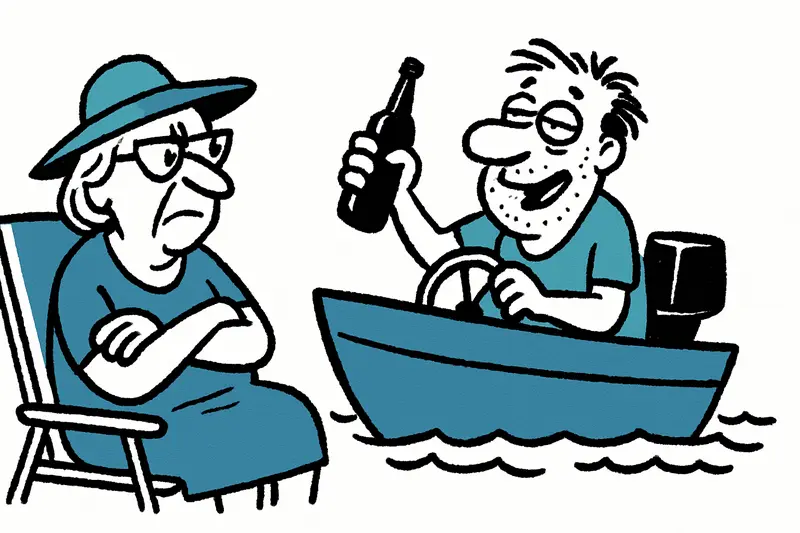
On a sultry afternoon, the air hangs like a damp cloth over the harbor. The old lady from the café shakes her head. The drone of engines mixes with children's laughter and seagull cries — and once again a five-metre motorboat comes ashore right at the sand's edge. 'They come straight to the shore, let the children splash and keep drinking,' she says. Residents and lifeguards currently report scenes like this in Port d'Andratx, Santa Ponça, Colònia de Sant Jordi and the coves around Es Carbó, as reported in Trouble over license-free boat rentals: When Es Carbó becomes a racetrack.
The real question: does short-term profit come before habitat?
At the center is a new law: private owners may rent out their leisure boats for up to three months a year. Sounds fair — extra income, more tourist options. In practice, however, gaps are becoming apparent. It's not the gleaming yachts that cause trouble, but the small, license-free motorboats (under 11.26 kW). They are easy to rent, simple to operate and, unfortunately, often in the hands of people with little experience, sometimes alcohol and zero respect for ecological zones. The legal change is examined in Between Waves and Berth: Mallorca's Problem with 'Floating Holiday Rentals'.
The consequences are clear: bathers feel harassed, swimmers are pushed out of the water, anchor chains cut through Posidonia oceanica carpets and propellers mow down seagrass like a lawnmower. Posidonia is not mere decoration — it is habitat for fish, a breeding ground and an important carbon sink. When it disappears, coves lose not only their clarity but also their long-term viability.
Control, liability and the hidden costs
Professional charter companies complain: they invest in maintenance, licenses and insurance — private renters do not to the same extent. Who is liable when something happens? If an inadequately insured boat collides or a renter operates the craft under the influence? The new rules open a gray zone: short-term income for some, but potentially high costs for the public — environmental damage, increased rescue operations, image problems for popular beaches.
A less illuminated problem is the social fabric: small coves, once meeting places for families and locals, turn into weekend parking lots for private boats. Loud engines, music, trash on the rocks — it disturbs not only residents, it changes how the island is experienced. An example of this clash is described in When the Catamaran Came in Too Far: Banyalbufar and the Question of Who Shares Mallorca's Coasts.
Short-term measures that could help
Some measures would be quick and relatively inexpensive to implement: clearly marked Posidonia protection zones with visible buoys, mandatory briefings (a ten-minute video or in-person briefing) before every handover, and stronger checks on weekends and holidays. Renters should prove minimum insurance and name a local contact person. Fines for obvious drunken operation and for anchoring in protected areas must be enforced consistently.
Long-term answers — and a bit of courage
For the future we need more: a central registry of all short-term rented boats, digital monitoring with GPS geofencing in sensitive zones, and regular ecological damage monitoring in the hotspots. Certification for private renters — similar to accommodations — could ensure minimum standards. Temporal restrictions on rentals during particularly sensitive months or caps on the number of rental days per area could also be considered.
Education plays a major role: information campaigns at harbors and coves, notices on booking platforms and cooperation with local dive schools or conservation groups could build understanding. Volunteer inspectors or community patrols involving locals, fishermen and conservationists would also strengthen the sense that the coast belongs to all of us.
Between sunburn and seagrass
The debate is a classic island confrontation: short-term gain versus long-term quality of life. Mallorca cannot reinvent itself as a party beach without sacrificing the fragile ecosystems of its coves. If we leave small motorboats unchecked, we will pay later — in lost coves, quieter tourism and higher rescue costs.
In the end, the question the old lady at the harbor already asks remains: do we want an island that profits for two or three summers now, or one that remains livable long-term? The answer lies somewhere between sunburn and seagrass — and it should no longer be postponed.
Note: License-free motorboats are subject to power and size limits. Misuse endangers both people and the environment.
Frequently asked questions
Are private boat rentals a problem in Mallorca’s coves?
What is Posidonia and why is it so important in Mallorca?
Can you anchor a rented boat anywhere in Mallorca?
Is a licence always needed to rent a small boat in Mallorca?
Which Mallorca coves are most affected by careless boat rentals?
What safety rules should renters follow on a boat in Mallorca?
What could Mallorca do to control private boat rentals better?
Why do locals in Mallorca worry about rented boats in small coves?
Similar News

First Day, First Consequences: What Palma's Rent Freeze Really Means
A new decree stops a planned eviction in Palma — but what really changes for tenants and landlords? A reality check with...

When Housing Becomes a Matter of Survival: Mallorca Between Rental Frenzy and Everyday Life
The case of 87-year-old Maricarmen showed that on Mallorca many people's lives are poised between affordable and uninhab...
Autumn in Mallorca: When Melancholy Gets a Window
Why autumn quietly tightens here — and how to make use of the mood: walks, culture, candles and the light from Palma to ...
Near-miss on Lanzarote: Landing Ryanair Jet and Iberia Takeoff — what really went wrong
On Lanzarote there was a dangerous incident: A Ryanair flight (FR5910) from Dublin landed on runway 03 while an Iberia E...

Eurowings introduces new Premium Business seats on Mallorca routes
From December 1, selected Eurowings flights to Palma and other destinations will feature eight particularly generous sea...
More to explore
Discover more interesting content

Can Cap de Bou

Townhouse Lleo 72
