
Puig de sa Morisca: Calvià's archaeology park comes to life
Puig de sa Morisca: Calvià's archaeology park comes to life
Calvià is investing around €1.6 million to make the Puig de sa Morisca archaeology park more attractive for families, school classes and the curious: new paths, a park museum and hands-on excavations should make history tangible.
Puig de sa Morisca: Calvià's archaeology park to become more lively
Early in the morning, when the cicadas are not yet so loud and the Tramuntana wind rustles the pine tops, you can already see the first walkers in Calvià climbing the hill of Puig de sa Morisca. On this rise stands a restored talayot, an ancient stone tower from the Bronze Age, and next to it stretches a 35-hectare area full of traces of settlement that date back more than 3,000 years.
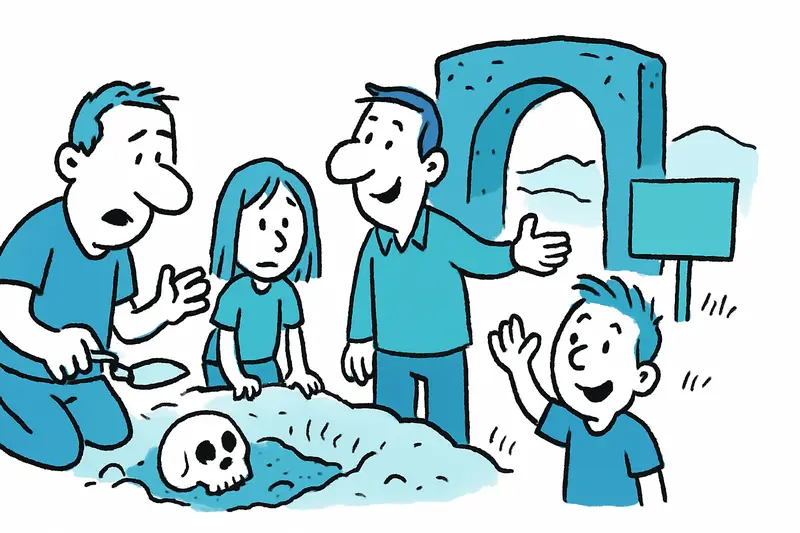
The municipality has now presented plans intended to make the park significantly more accessible to visitors. Around €1.6 million is earmarked for measures: new circular paths with resting and play areas, a park museum as a starting point for discoveries and — as a particularly lively element — hands-on excavations where children and adults can experience archaeology in practice. This comes amid wider municipal spending reported in Calvià Invests 25 Million: Between Renewal and Construction-Site Logic.
That sounds like more than mere tourism: it is an invitation to bring history back into everyday life. On a Saturday afternoon a grandmother from Santa Ponsa might take her grandchildren, sit in the sun on one of the new benches while the children climb in the shade and search with sand toys for “buried treasures.” Such small scenes give a place life and ensure that history does not only happen in textbooks.
What is the benefit for Mallorca? On the one hand, an attractive archaeology park strengthens the cultural offerings beyond the beaches and hotels. Visitors find an alternative to shopping malls and beach bars; locals gain a place to learn and linger. On the other hand, such projects open doors for school programs: a short bus ride, a workshop in the park museum, and an entire class suddenly has a concrete picture of how people lived here millennia ago.
The proposed circular paths should include small islands of calm — spots with shade, simple seating and information panels where you can enjoy the view without having to keep walking. Play areas are not intended as funfair attractions but as nature-based spaces: balancing beams made of chestnut wood, a small earth-hill ramp and learning stations that playfully explain how a talayot was built.
Hands-on excavations can become the focal point for visitors. Well organized and supervised by experts, they offer a safe and responsible way to experience archaeology. Schools, small groups and families could take part through weekend dates or holiday programs. For the archaeologists themselves this means exploring new ways to combine research and outreach without endangering the finds.
It is important that implementation keeps the balance: protection of the sites, easy accessibility and good explanations. Local guided tours in several languages, fixed time slots for hands-on activities and clear paths that protect sensitive areas would be sensible. Cooperation with museums in Palma and educational centers on the island would also be helpful so that content is not only attractively presented but also scientifically sound.
The neighborhood could also gain additional impulses from the project: nearby cafés with local products, small tours led by volunteer groups, weekend markets with regional crafts. Such links make the park part of everyday life instead of an isolated attraction. Whoever holds their coffee cup on the balcón at Passeig Cala Vinyes in the morning will hear those voices from the hill — not loud, but present: school classes learning, families picnicking, a traveler seeking a quiet hour.
The investment is not a quick fix but an opportunity to connect heritage and everyday life. If paths, museum and hands-on activities are well planned, Puig de sa Morisca can become a place locals are proud to show and visitors like to return to. A place where you do not only take photos but bring something home: a small piece of regional knowledge, a sense of time and people. Local reporting on related projects appears in Calvià invests 25 million: paving, the Finca, Paguera — smart planning or just patchwork?.
Outlook: One can imagine how Sunday afternoons in the park might look — lantern tours in spring, workshops for school projects, or an “open excavation day” in summer. Such formats bring life to the hill and help bring the past into the present.
Conclusion: Calvià’s plans for Puig de sa Morisca sound grounded and welcoming. The aim is not to put history on display but to make it tangible — quietly, accessibly and with respect for the place. Those who use the paths there in the coming years may find archaeology becoming their favorite outing.
Frequently asked questions
What is Puig de sa Morisca in Calvià?
Can you visit Puig de sa Morisca with children?
What will change at Puig de sa Morisca in Calvià?
Is Puig de sa Morisca worth visiting if you are not interested in archaeology?
When is the best time to walk at Puig de sa Morisca in Mallorca?
Will there be guided tours at Puig de sa Morisca?
How much is Calvià investing in Puig de sa Morisca?
Can schools use Puig de sa Morisca for educational visits?
Similar News

Happy Couple and Water Damage in Mallorca: A Reality Check for Home Buyers
Just moved in, already water under Mallorca's sun: the case of the influencer couple highlights risks often overlooked w...
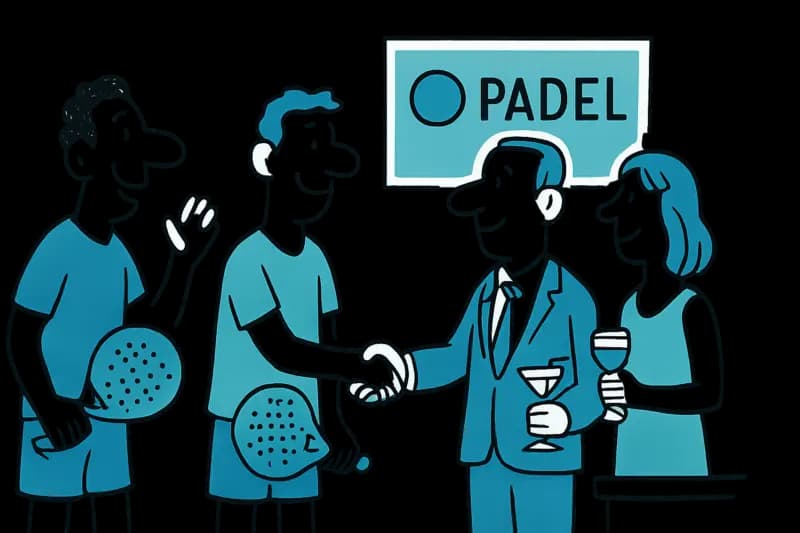
Bendinat as a meeting place: Padel Cup brings together nearly 120 players
Three days of padel at the Bendinat Urban Country Club: organized by El Económico and Borbalán, with around 120 particip...
Large-scale Anti-Tourism Graffiti at Cala Mendia: Protest or Vandalism?
On the morning walkers discovered an approximately 50-meter-long slogan against tourism on the wall above Cala Mendia. W...

Bomb threat before Jet2 flight in Tenerife: A reality check for security protocols
A passenger reported a bomb in luggage shortly before departure in Tenerife. Evacuation, baggage checks, delays — and ma...
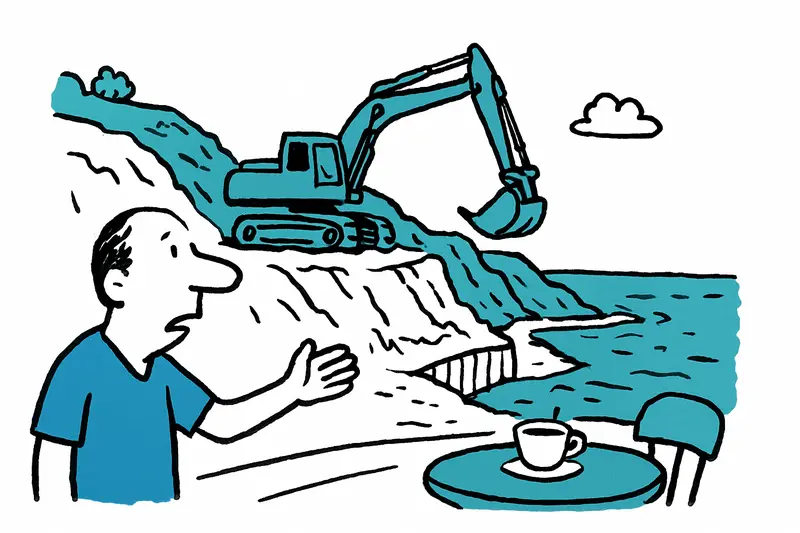
Who is stripping Mallorca's coast bare? Why entire slopes are being removed for villas
On Mallorca steep slopes are again being removed to make way for luxury construction sites. Who bears the responsibility...
More to explore
Discover more interesting content

Can Cap de Bou

Townhouse Lleo 72
