
Separate Beds and Ongoing Conflict: What Daniela's Book Reveals About Roles, Fitness and Family Life in Mallorca
Separate Beds and Ongoing Conflict: What Daniela's Book Reveals About Roles, Fitness and Family Life in Mallorca
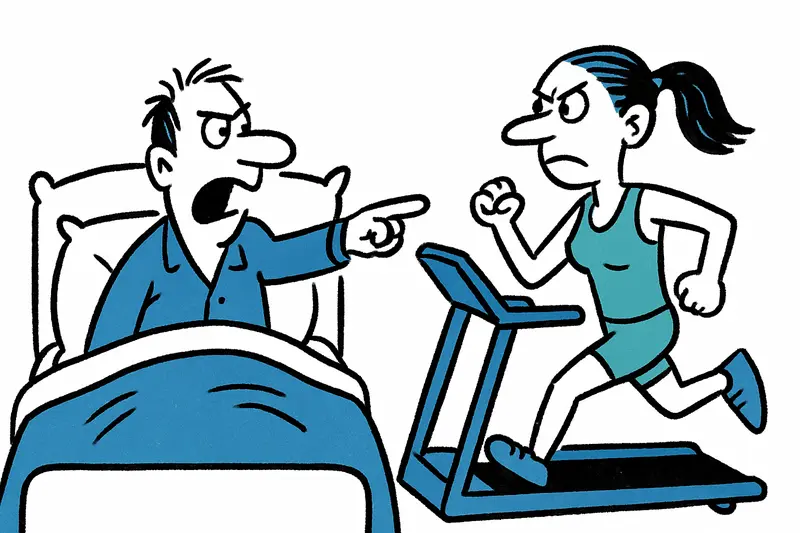
In her new book, Daniela Katzenberger recounts a phase in which intensive bodybuilding and a strict diet strained family life. A reality check: was this just celebrity drama or a mirror for many couples on the island?
Separate Beds and Ongoing Conflict: What Daniela's Book Reveals About Roles, Fitness and Family Life in Mallorca
Guiding question: How much can a personal goal throw a couple off balance — and what can be learned for everyday life on the island?
In the mornings in Santa Ponsa, when the fishing boats still rock and the bakers pull the first ensaimadas from the oven, people quietly talk about couples over neighborhood cafés. That celebrity couples like Daniela Katzenberger and Lucas Cordalis share the limelight makes their private tensions more visible; her newly published book 'Katze goes Muskelkater' describes a phase in which intense strength training, a strict diet and preparation for competitions led to massive tensions in the relationship. The author reports that since 2023 she has lost around eleven kilos and that the weeks before competitions were marked by extreme physical and psychological strain, a pattern that echoes other island stories such as Danni Büchner: Between Show and Protection – a New Summer in Mallorca.
The central observation: when one partner pursues a high-performance goal, it automatically changes daily life, routines and emotions. In the author's account there are descriptions of irritable moods, frequent arguments and periods of sleeping separately. In both training and family life, boundaries are shifted — and that can become a stress test for both sides. On Mallorca, where family life is often closely woven into neighborhood, school and leisure activities, such conflicts are not purely private; they radiate into the community, and broader pressures such as housing shortages amplify tensions, as explored in When Living Rooms Become Bedrooms: How Mallorca Suffers from a Housing Shortage.
Critical analysis: three mechanisms stand out. First: time displacement. Intensive training demands many hours — mornings, evenings, weekends — and collides with shared rituals like family meals or daycare runs. Second: energy displacement. A radical diet changes mood, concentration and reactivity; this turns small frictions into bigger conflicts. Third: expectation shift. Role images within the partnership are renegotiated: who coordinates, who handles housework and childcare, who is emotionally available?
What is often missing in public discourse is a sober distinction between a performance goal and extreme behavior. A training goal in itself is neither good nor bad; it becomes problematic when it becomes the sole driver of action and consideration for the partnership is neglected. Also seldom discussed is the ambivalence of the public persona — where reality shows and public feuds can magnify private tensions, as described in When Old Feuds Become Mallorca Fodder: What 'The Reckoning' Does to the Island. On an island where many rely on visibility — in the local scene, on social media, in the neighborhood — it is easier to celebrate successes than to show the bruises.
A concrete everyday scene: Saturday morning in Palma. Market traders call out, children run between the stalls, and a father who trained late the night before for a competition sits exhausted at a café table. The mother takes over the shopping and is annoyed by the harsh tone that rang at breakfast. These mini-explosions add up — and nobody sees them in the Instagram highlight reel.
Concrete solutions that go beyond celebrity self-help: structure communication, don't just rely on feelings. Couples can define fixed, untouchable time windows (e.g. Sunday breakfast, evening rituals) in which training topics are taboo. Second: seek professional support. A couples therapist or psychological counseling can help identify conflict patterns before they lead to legal or permanent breaks. Third: decouple goal planning. Training plans should be agreed together: who takes over when preparation intensifies, which tasks are delegated? Fourth: health monitoring. With drastic weight loss or extreme diets, regular medical checks are important — physical side effects change the relationship, and that is medically relevant.
For life on Mallorca this means concretely: use neighborhood networks. Grandparents, friends or babysitters can create buffers when a goal temporarily demands a lot of time. Municipal offers — sports clubs with flexible training times, local health centers with counseling services — are resources that are often underused. And: revive noticeable rituals, for example a shared dinner without screens in a cove at sunset.
What remains as a conclusion? The accounts in the book are not an isolated case but an example of a modern conflict type: personal ambition versus shared life. The good news is that couples can find ways to channel this tension without destroying a marriage. The protective factor is transparency: speak openly about physical strain, clearly communicate training phases and accept help when the burden curve rises dangerously.
Back in Santa Ponsa: the neighbor who picks up the paper in the morning sees the cat on the balcony and the couple arguing one evening — and the next day sees them again on a walk with their daughter. That is the sober island everyday life: conflicts are loud, reconciliations quieter. Those who want to learn from this should not only look at headlines but at routines, division of responsibilities and the small interventions that make living together more stable.
Punchy conclusion: a training goal can strengthen a couple — if both carry it together. If not, even the best motivational playlist quickly becomes a point of friction. On Mallorca as elsewhere, it helps to name boundaries, organize resources and steer conflicts early into professional channels.
Frequently asked questions
How can intense training affect a relationship in Mallorca?
Why do strict diets sometimes lead to more arguments at home?
Is it normal for couples to sleep separately during stressful periods?
What helps couples balance fitness goals and family life in Mallorca?
Where can couples in Palma get support if conflict keeps growing?
Why do neighborhood networks matter for families in Mallorca?
What should you watch for if weight loss becomes extreme?
How can families in Santa Ponsa protect their time together?
Similar News
New trick at Palma Airport: suitcase stolen from the belt — a reality check
On September 28 a 36-year-old allegedly stole a suitcase from the baggage belt of a 51-year-old German passenger at Palm...
Urgent Clearing of Palma's Torrents: Flood Prevention or Symptom of Short-Sighted Planning?
The city of Palma is responding to storm forecasts and has cleared several torrents. We ask: Is the short-term clearing ...

Evaneos and Mexico: A Reality Check for Sustainable Travel
Travel advertising often reads like a promise: local, sustainable, unique. But how deep do these promises really go? A c...

From Megapark to the Altar: Party Singer Now Offers Weddings in Mallorca
A well-known party artist combines partying and marriage: instead of a traditional church there are ceremonies at the Me...
The Maricarmen Case: Why an Eviction Is Forcing Spain's Housing Debate
Images of an 87-year-old woman on a stretcher have sparked a debate in Spain that also runs deep in Mallorca. Who protec...
More to explore
Discover more interesting content

Can Cap de Bou

Townhouse Lleo 72
