
New wooden jetty and calmer beach area near Portocolom
New wooden jetty and calmer beach area near Portocolom
A new wooden jetty, more dunes and a parking area set further back: Portocolom has redesigned a small stretch of coast by the lighthouse. €595,000 were invested in the project — for residents, birds and walkers.
New wooden jetty and calmer beach area near Portocolom
€595,000 for dunes, parking and old fisher huts
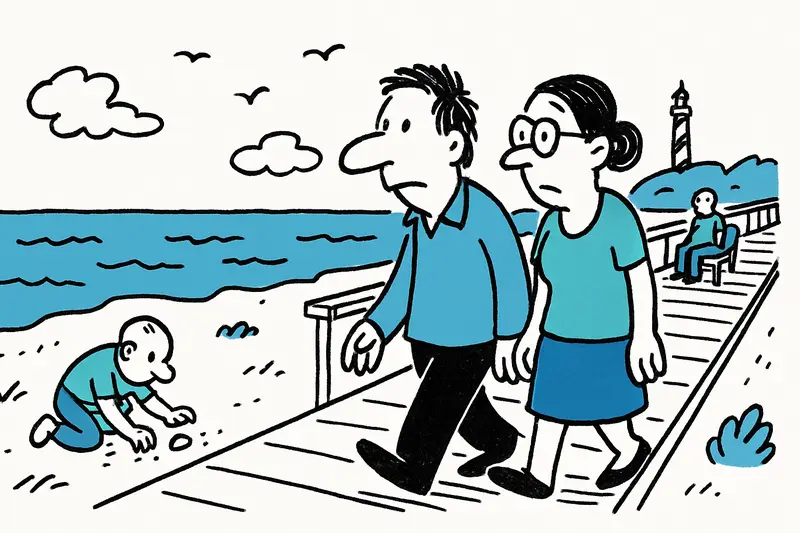
When you walk in the morning from the harbour through the narrow streets of Portocolom to the headland, you smell salt, hear seagulls and the steps on the new wooden jetty. The jetty now runs along the coast, close to the lighthouse, and invites slow walks. Children pick up shells on the sand, retirees sit on the new benches, and the road that used to run directly past the beach is no longer the dominant note.
In recent months the municipality has implemented a series of measures in the s'Arenal Gran area: the old access road was replaced, a wooden jetty was built and a new excursion area laid out. Representatives of local politics attended the official opening on Wednesday, including the delegate of the Spanish central government in Mallorca, Alfonso Rodríguez Badal. Catalina Soler, mayor of Felanitx, praised the jetty for its simple, elegant appearance.
The municipality made €595,000 available for the project. Part of this budget went into a car park located further back so that cars will no longer park directly on the beach. The authorities are pursuing not only aesthetic goals: the project is intended to create space for the dunes to recover naturally. More sand, less asphalt – a small programme for the coast, echoed in Rethinking Portixol: Plaza, Parking Garage and More Green for Palma's Waterfront.
Another aspect of the measures concerns the traditional fisher huts along the coast. Some of the sheds that have been used for decades and have partly fallen into disrepair are currently being renovated. For locals who know the harbour, this is a good sign: old uses remain visible and the backdrop does not lose its character.
The redesign brings immediate noticeable benefits for residents. The promenade feels calmer, engine noise is switched off, and walks are safer. Visitors experience a different atmosphere than a year ago: you no longer arrive in a thoroughfare but in a place where you stay. This is also attractive for small shops and cafés along the promenade, as seen in El puerto de Portixol será más verde y accesible — not through growth at any price, but through pleasant quality of stay.
Why is this good for Mallorca? Because it combines two goals that do not always go together: coastal protection and the visitor experience. Larger dunes trap sand, protect against erosion and provide habitat for plants and birds. A restrained intervention like a wooden jetty instead of concrete helps to keep nature visible. And because parking is a little further away, pressure on the beach zone is reduced.
From everyday life: in the late afternoon you now more often see locals with dogs, cyclists stopping briefly, and older people chatting on the wooden benches. The bell of a nearby church mixes with the sound of the sea. Such moments, small and unspectacular, show how urban interventions can change everyday life — not only through paving and poles, but by creating space for encounters.
A few suggestions on how the work on site can have further impact: information boards about dune regeneration, fixed rules for delivery times, more seating with wind protection and local planting actions to stabilise the sand. A shuttle from the car park on days with heavy visitor traffic would increase comfort without bringing cars closer to the beach.
So next time you pass the headland of Portocolom: take off your shoes, walk along the wooden jetty and take a deep breath. The small changes there are not loud but noticeable — an invitation to experience and care for the coastal space a little more slowly.
Frequently asked questions
What has changed at s'Arenal Gran near Portocolom?
Is the beach near Portocolom now quieter and safer to walk along?
Why was a wooden jetty built near Portocolom instead of a concrete structure?
Can you still park close to the beach in Portocolom?
What is happening to the old fisher huts near Portocolom?
Why are dune areas being protected in Portocolom?
What is the best time to visit the new promenade area in Portocolom?
What can visitors do at the new coastal area near Portocolom?
Similar News

More water than last year: Mallorca's reservoirs breathe easier
September rain refilled the Tramuntana's reserves: overall fill around 35 percent, Cúber at 40.42 percent, Gorg Blau at ...

Three Luxury Hotels in Banyalbufar: Lots of Money, Many Questions
A Danish investor plans three exclusive accommodations in Banyalbufar — including the historic Son Valentí. The announce...
2.1 tonnes of cocaine on sailing yacht off Spain's coast – a reality check for the coastguard
A 14-metre yacht was seized with 2.1 tonnes of cocaine. Who monitors the ports, how does the international hunt succeed ...

Heat Bonus in Mallorca: 100 Euros Extra for Outdoor Staff at MarSenses
MarSenses pays employees who worked outdoors in August an extra €100 as recognition. Lighter uniforms, reduced hours for...

Renovating in Mallorca: What You Really Can Do Without Neighbour Consent
Many think they can do whatever they want in their apartment. That's partly true — but only as long as structural elemen...
More to explore
Discover more interesting content

Can Cap de Bou

Townhouse Lleo 72
