
After Storm Nils comes Oriana — How prepared is Mallorca really?
After Storm Nils comes Oriana — How prepared is Mallorca really?
Storm Nils brought gusts up to 162 km/h and around 400 incidents. While Mallorca is still cleaning up, the next low Oriana is approaching. A reality check on preparedness, communication and practical solutions for the island.
After Storm Nils comes Oriana — How prepared is Mallorca really?
Key question: Are our precautions and procedures sufficient when storms come one after another?
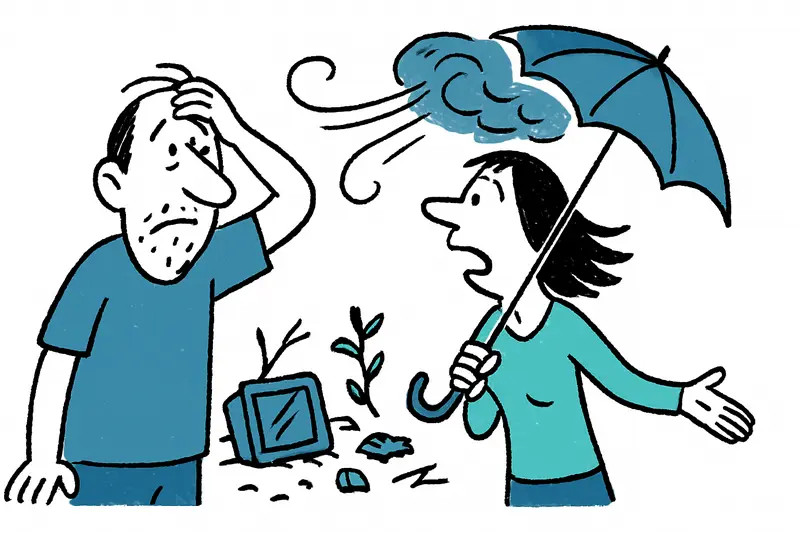
Storm Nils left its marks: in the Sierra de Alfabia gusts of up to 162 km/h were recorded, according to Spain's meteorological agency AEMET, and nationwide nearly 400 incidents were documented — most of them on Mallorca. Uprooted trees, objects on roads and damaged streetlights disrupted daily life. Carnival parades had to be postponed, ferries remained in port, and air traffic came to a standstill. And now the next low, Oriana: a message that sounds like a second bell to many Mallorcans.
Critical analysis: short-term deployments have dealt with the immediate consequences, as after Night Storm Hits Andratx and Calvià – Are We Really Prepared?, but a pattern emerges. When trees become hazards, streetlights topple and transport fails, that speaks not only of extreme natural forces — it also points to structural weaknesses. The number of documented incidents gives an impression of the scale, but it does not tell how quickly traffic arteries were cleared again, how safely pedestrians and cyclists moved through the town, or how employers and schools were informed.
What is often missing in public discourse: an honest accounting of the so-called preparedness deficits, a point raised in First storm warning, then sun: How well is Mallorca prepared for this changeable weather?. There is talk about the force of the storms, less about the continuity of tree maintenance programs, about prioritization plans for emergency services or about communication chains that reach older people. Also rarely discussed: the strain on technical infrastructure — street lighting, traffic signals, local power grids — and how long repairs take when supply chains for spare parts stall.
Everyday scene from the island: on the Paseo Marítimo it smells of wet pine resin, torn palm fronds lie on the paving stones. A street sweeper trundles past, two neighbors discuss the canceled parade over the weekend. On a balcony in a side street a streetlight hangs askew, the resident has temporarily secured it with straps. People here know such images — they are not pretty, but they show how quickly everyday life and risk converge.
Concrete solutions, without much theoretical haze:
1. Prioritized tree and green maintenance: A binding maintenance plan for street trees with annual hazard checks on main traffic arteries and in town centers. Not every palm has to be felled, but deadwood and loose crowns must be identified in time.
2. Securing public infrastructure: Check lamp posts and mounts at exposed locations and, where necessary, reinforce them. A stock of standardized spare parts for critical points (lamp bodies, nuts, fuses) reduces repair times.
3. Communication chains that work: Weather warnings must reach where people are not constantly online. Local loudspeaker systems, SMS alerts for community members and coordinated info points at town halls and supermarkets help older and less mobile people.
4. Traffic and ports: Port operators and ferry companies need clearer, earlier decision stages — not only when the sea is already rough, as highlighted in New Storm Front on Mallorca: How Prepared Are the Island and Its People?. Likewise, contingency plans should exist for main connections, such as bus feeders in case of longer ferry outages.
5. Tactics for operations and neighborhood help: Emergency services should learn to prioritize: which roads must be kept clear for emergency vehicles, which residential areas need quick assistance. Additionally: local volunteer pools that, after a short training, can carry out initial securing work in their own neighborhood.
Concluding note: Nils was a warning signal, not a one-off spectacle. Oriana is at the door — and with it the chance to turn short-term reacting into planned preparedness. That costs money and planning, but less than recurring emergency actions. For Mallorca this means: more routine in maintenance and securing, clearer warning channels and a bit more local responsibility. Then the palms may still be there, the parades will take place again — and the island remains what it is: everyday life with weather, not a permanent crisis laboratory.
Frequently asked questions
How bad was Storm Nils in Mallorca?
Is Mallorca prepared for back-to-back storms?
What should people in Mallorca do when a storm warning is issued?
Can ferries and flights in Mallorca be cancelled during strong storms?
What kind of storm damage happens most often in Mallorca towns?
Why is tree maintenance so important in Mallorca before storm season?
How are emergency warnings usually communicated in Mallorca during bad weather?
What places in Mallorca are especially affected when storms hit?
Similar News
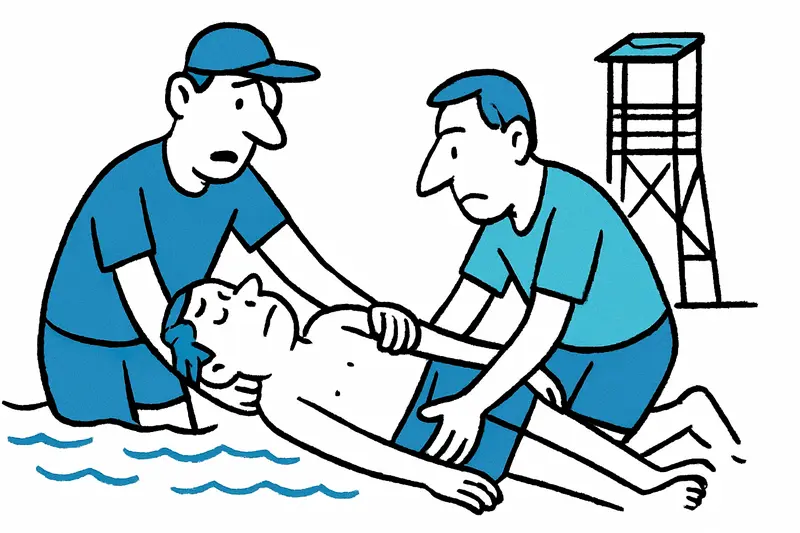
Magaluf: Watchtower Alarm – Lifeguards Pull Unconscious Beachgoer from the Water
After a drama in the late afternoon, two lifeguards at Magaluf beach rescued an unconscious 44-year-old man. He was stab...
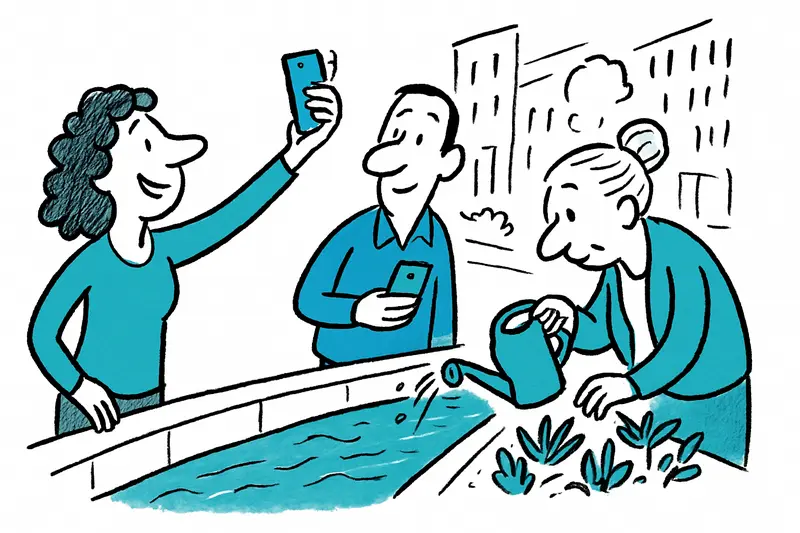
Turquoise in the City: How dangerous is the color play of the Sa Riera?
The Sa Riera in Palma suddenly turned turquoise — a pretty motif, but behind the effect lies a discharge of saline waste...

Jeckliner at Sunnesching: Cologne spirit sets sail from Palma
In September 2027 the Mein Schiff 2 briefly becomes a floating carnival stage: four days with Cologne bands, comedy and ...
Finally Home: Mike and Leyla Heiter Buy Villa with Sea View in Mallorca
The reality TV couple Mike and Leyla Heiter have bought a house in Mallorca with a roof terrace and sea view. An Instagr...
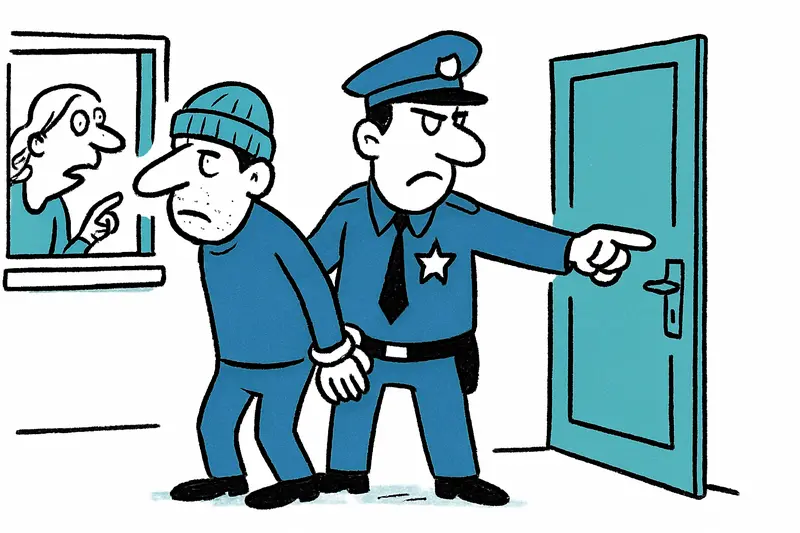
Arrest after series in Palma: Who protects apartments from repeat offenders?
The National Police arrested a man in Palma who investigators say may have broken into several apartments. In one incide...
More to explore
Discover more interesting content

Can Cap de Bou

Townhouse Lleo 72
