
Attempted Abduction in Son Ferriol: How Safe Do We Still Feel?
Attempted Abduction in Son Ferriol: How Safe Do We Still Feel?
In Son Ferriol, a British couple allegedly tried to force a roughly 60-year-old neighbor into a car. The National Police arrested the two suspects. A reality check on reaction, prevention and what is missing in the public debate.
Attempted Abduction in Son Ferriol: How Safe Do We Still Feel?
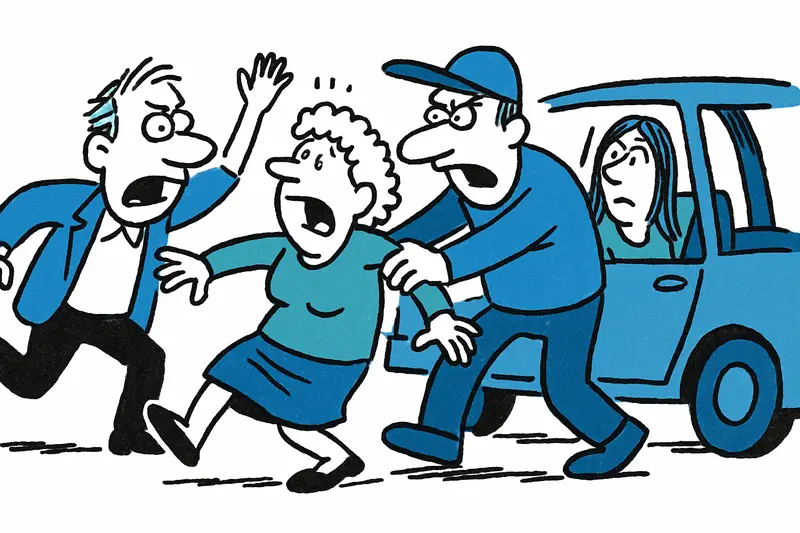
On an early Sunday afternoon a normally quiet residential street in Son Ferriol was thrown into turmoil: according to investigators, a British couple (aged 41 and 44) tried to forcibly drag a roughly 60-year-old neighbor into a waiting car against her will. The woman screamed for help, neighbors and relatives rushed to the scene, the victim's partner intervened and the couple fled – shortly afterwards officers from the National Police located and arrested the two suspects. The injured woman was treated on site by emergency services and subsequently taken to hospital. The arrested individuals are being investigated for false imprisonment; the unit responsible for robbery crimes is leading the investigation.
Main question
How could an attempted violent crime take place in broad daylight on a residential street in Son Ferriol, and what gaps in protection does this incident reveal for residents – especially older people?
Critical analysis
The immediate reaction of the neighborhood was crucial: screams brought people out of their apartments, a relative confronted the attacker and apparently prevented worse. This shows how important immediate intervention and visibility are. Other daytime attacks, like the incident covered in Robbery in Front of Their Own Driveway: How Safe Do We Feel in Southwest Mallorca?, point to wider patterns of opportunistic violence. At the same time, the case raises questions about prevention and police presence. According to the report, several patrol cars located the suspects after witness statements and searches in the area. That points to a swift manhunt, but it remains unclear how long it took from the emergency call to the arrival of officers and whether preventive measures at known hotspots could be effective.
The motive is also still unclear. Investigators are examining the background, but residents remain uncertain: was it a targeted attack, a case of mistaken identity, a dispute, or something else? Such speculation is understandable but dangerous if it leads to hasty accusations against particular groups.
What is missing in the public discourse
Debate about crime on the island is often dominated by buzzwords and snap judgments. Less attention is given to concrete prevention measures that could make everyday life safer: better street lighting, easily accessible emergency options for older people, neighborhood networks, and clear communication channels between police and local communities. The victims' perspective – medical care, psychological support and legal protection – also does not always receive enough visibility, as highlighted by a fatal discovery in Son Macià that raised questions about protecting older people.
Everyday scene from Son Ferriol
Imagine the street: a small café on the corner, the smell of freshly baked bread mixing with the hum of delivery vans, church bells ringing in the early afternoon. Dogs bark, passersby go about their day. It was in exactly such a scene that this incident occurred – a reminder that acts of violence do not only happen in the news, but can break into our familiar everyday life.
Concrete solutions
1. Strengthen local neighborhood initiatives: regular meetings, digital groups and buddy systems for older residents can organize quick assistance and visible presence.
2. Increase visibility: better street lighting, well-placed surveillance cameras in public spaces and clearly marked escape routes in residential areas reduce opportunities for crimes.
3. Emergency communication for older people: simple, easy-to-reach emergency buttons or informational leaflets showing how to quickly get help would improve the sense of security and response times.
4. Police presence and prevention: mobile patrols during daytime hours with high pedestrian traffic, cooperation between the municipality, the National Police and local associations, as well as awareness campaigns on fraud and violence prevention. Nighttime incidents that shook other towns reinforce this need, as discussed in How safe are our homes? The nighttime attack in Alcúdia and lessons for the old town.
5. Expand victim support: faster access to medical and psychological care as well as legal assistance so that victims are not left alone.
Concise conclusion
The incident in Son Ferriol shows: our neighborhoods are stronger than we think – people respond, shout and help. But we cannot rely on ad-hoc assistance alone. Visible prevention, simple emergency channels and more public attention to the everyday protection of older people are needed. The National Police investigation will clarify exactly what happened; the real task for us remains to make such scenes rarer in the future.
Frequently asked questions
How safe is Son Ferriol for residents and visitors?
What should I do if I witness a violent incident in Mallorca?
Are daytime attacks common in Mallorca?
What can older people in Mallorca do to feel safer at home?
Why is neighborhood support important after a crime in Mallorca?
What happened in Son Ferriol during the attempted abduction?
How quickly did police respond in the Son Ferriol case?
What safety improvements are being discussed for Mallorca neighborhoods?
Similar News

Pool ordered for €46,000 – €23,000 paid, no work carried out: A fraud case in Palma
A homeowner in Palma transferred €23,000 for the construction of a pool. Weeks later it emerged that no building applica...
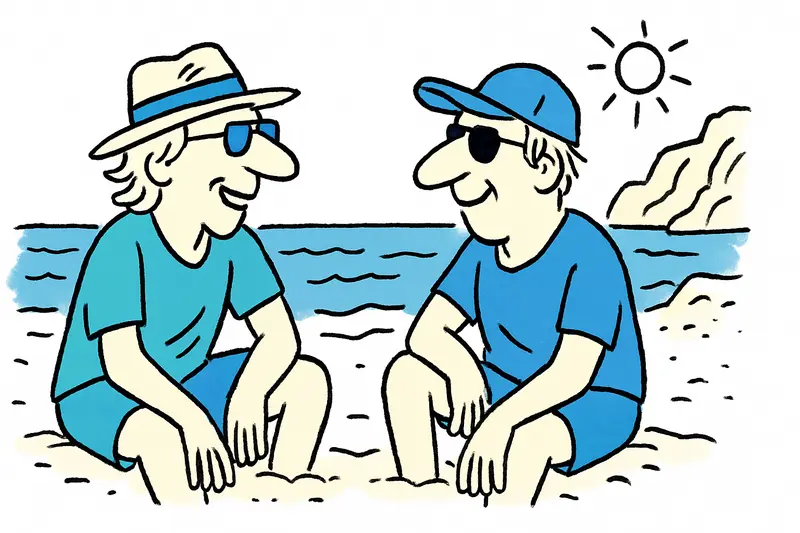
Summer greetings from the Pitiusas island: Gottschalk and Krüger enjoy the sun on Ibiza
A friendly photo of Thomas Gottschalk and Mike Krüger on Ibiza evokes memories of their shared film years and shows that...
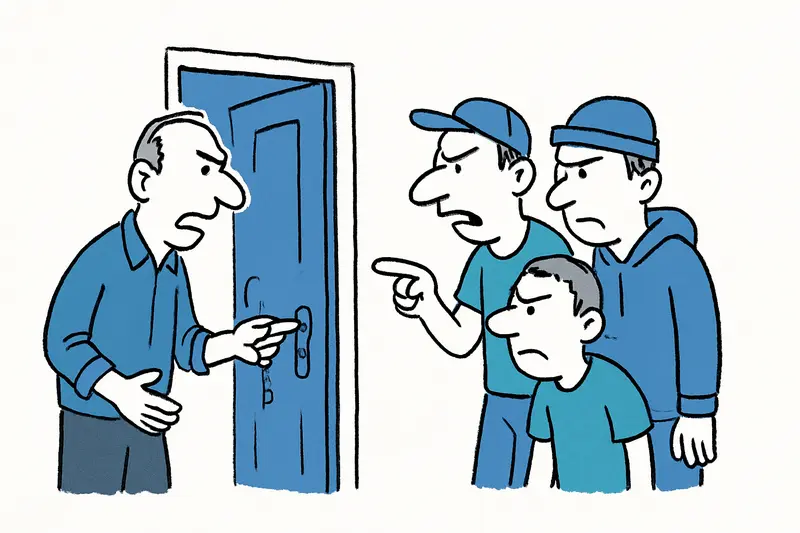
Occupied in a Few Days: When Property in Mallorca Turns into a Dispute
Six young men were arrested in Palma after homeowners returned and could no longer open their own door. A case that rais...
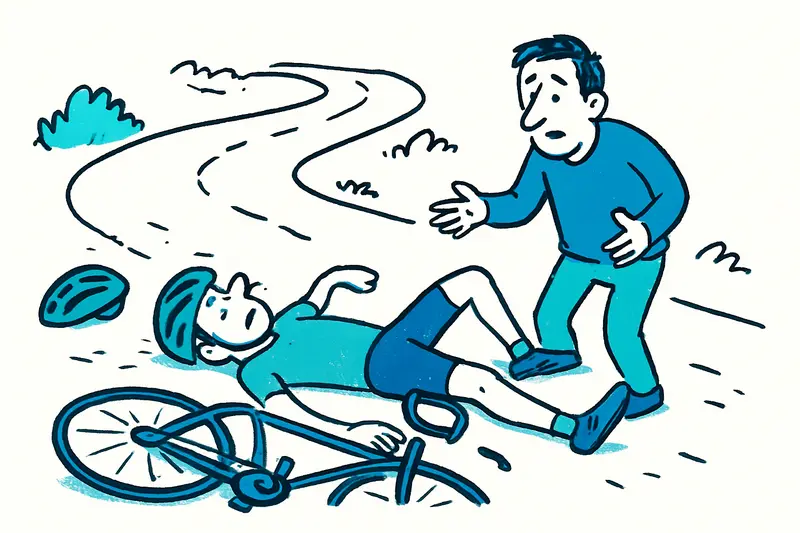
Serious fall at Port d’Andratx: Who protects cyclists on this route?
A 66-year-old German cyclist fell between Port d'Andratx and Camp de Mar, hit his head and was taken to hospital. One ac...

Four goals, heart-stopping moments, a message: Germania Mallorca takes three points in Consell — questions remain
The new German club on the island won its first away game in Consell 4:3. Celebration, a 4:0 lead, then a nervous finish...
More to explore
Discover more interesting content

Can Cap de Bou

Townhouse Lleo 72
