
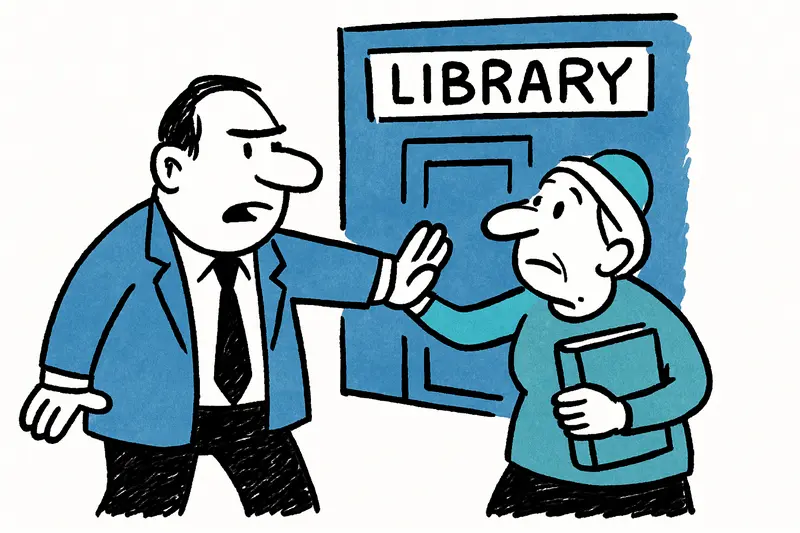
Génova breathes a sigh of relief — but the library is only saved for now
After a short-term agreement, the small neighborhood library in Génova will remain for the time being. The rent increase and the question of long-term funding remain unresolved.
Génova breathes a sigh of relief — but the library is only saved for now
On Plaça de Génova there were more sounds than usual this morning: the clinking of a coffee spoon, the distant hum of a motorcycle, children laughing in the backyard and the quiet conversations of volunteers who rubbed their hands once more. The threatened eviction of the small neighborhood library has been averted after a short-term agreement — an outstanding rent of around €13,000 unpaid rent was paid and a new three-year lease was signed. Relief, yes; fulfillment, no.
How it came about — and what almost nobody says out loud
The library has for years been a meeting place for pupils after school, for seniors in the mornings and for newcomers learning Spanish over a cup of coffee. The charm of these places is born from volunteer work, donated books and a handful of grants. But this fragile web is shaken when rent bills suddenly rise or subsidies disappear. That the owners set an eviction date was a wake-up call for many here — but also a symptom of a larger problem: cultural spaces have hardly any legal or financial security in Palma’s rising rental market.
Less discussed is why such arrears arise in the first place: often there are no clear financial plans, but equally lacking are reliable support structures from the municipal administration. Owners have the right to returns; neighborhood culture is often powerless in practice. The question remains: should volunteers permanently plug these gaps, or is a systemic solution needed?
What the new contract really means for users
In the short term: story hours, Spanish classes and literary evenings can continue. The handwritten note at the entrance — “Thanks to everyone who helped” — is not without reason. It stands for the neighborhood that donated spontaneously, for associations that invested time, and for a city that mediated. In the long term, however, the lease with a rent increase is a warning sign. Three years provide room for planning, but rising rents put already tight budgets under pressure.
Some volunteers speak openly: more fundraising, membership fees, partnerships with schools — all of this helps, but is labor-intensive and uncertain. Others demand that the city must give firm support commitments or examine models that cushion rent spikes. Short-term solidarity is no substitute for enduring infrastructure.
Concrete ways out of precarity
There are practicable approaches that are discussed less often but would have great potential: long-term lease agreements at reduced rates, a municipal fund for cultural spaces, tax incentives for owners who allow social uses, or even cooperative models in which neighborhoods buy shares. Another option is cooperation with schools and social services that can bring guaranteed funding.
What matters is that solutions require time and commitment. Three years are a window — not a home. During this time the library could develop a more stable financing model, form local partnerships and perhaps negotiate an emergency fund with the municipality. For that it needs clear contacts and fewer bureaucratic hurdles.
Small victories, big questions
Today there may be a small celebration — maybe a slice of tortilla and the scent of coffee in the corner, soft guitar chords from someone passing by. But once the plates are cleared, the real work begins: bookkeeping, applications, conversations with the municipality and the owners. The library has been given air, but not a permanent promise.
In the end there remains the observation a reader muttered quietly before leaving and that stays in the mind: “As long as the children have their place.” That sentence hits the core. It is not only about shelves and rooms, but about spaces that enable community. Whether Palma builds enough structures in the coming years so that such places are not only temporarily saved is the crucial question.
A reality check: Rising rents are not just numbers on a page — they change the fabric of neighborhoods. The rescue in Génova is a victory, yes. But it must be the impetus to find more lasting answers.
Frequently asked questions
Is the neighbourhood library in Génova in Mallorca closed?
What happens to small cultural spaces in Mallorca when rents go up?
What can volunteers do to keep a local library in Mallorca running?
Why are community libraries important in Palma de Mallorca?
How long is the new lease for the Génova library in Mallorca?
Can the city of Palma support cultural spaces that struggle with rent?
What kind of activities does a neighbourhood library in Mallorca usually offer?
What does the Génova library case say about neighbourhood life in Mallorca?
Similar News

Maribel: Five Decades of Service – Housekeeper from Peguera Celebrated with a Special Honor
Over 50 years in the hotel business: María Isabel “Maribel” Molinos was honored in Palma at the Nit del Turisme by Unive...

Orange Alert over Parts of Mallorca: Are We Prepared?
Dark clouds and an announced wet spell have triggered an Orange alert in parts of Mallorca. A reality check: what's miss...

Sundair & Co.: Sale speculation and what it could mean for Mallorca
Rumors about a possible sale of the airlines Sundair and Fly Air 41, which belong to Schauinsland-Reisen — and whether b...
Anne Wünsche in Mallorca: A job offer with a catch — who fits the role of personal assistant?
Influencer Anne Wünsche has left Berlin and is urgently looking for a full-time personal assistant in Mallorca. Why the ...

Daily from New York: Palma Between Boom and Strain
United will increase the Newark–Palma route to daily flights in 2027 using Boeing aircraft (231 seats). What does the in...
More to explore
Discover more interesting content

Can Cap de Bou

Townhouse Lleo 72
