
Alcúdia starts renovation of the 'Calle del Dólar' — simplistic expectations, open questions
Alcúdia starts renovation of the 'Calle del Dólar' — simplistic expectations, open questions
Six million euros, twelve months of construction – but the delayed start in Alcúdia is causing frustration on the harbor street Avinguda Pere Mas i Reus. How sensible is the timetable for residents and business owners?
Alcúdia starts renovation of the 'Calle del Dólar' — simplistic expectations, open questions
Six million, two construction phases, a summer break: Who planned the schedule?
Excavators are now rolling on a street many locals know by name: Avinguda Pere Mas i Reus — commonly called the 'Calle del Dólar'. The municipality is allocating around six million euros to redesign the harbor boulevard, create more space for pedestrians and cyclists, and properly refresh the old paving. The project sounds like a good idea, and after the summer break the excavator is expected to return as reported in Alcúdia: Construction on the Harbor Promenade — More Shade or Just More Steel?.
Key question: Are scheduling and communication organized so that the people affected in the harbor district do not bear the main burden while the benefits only become visible in a year?
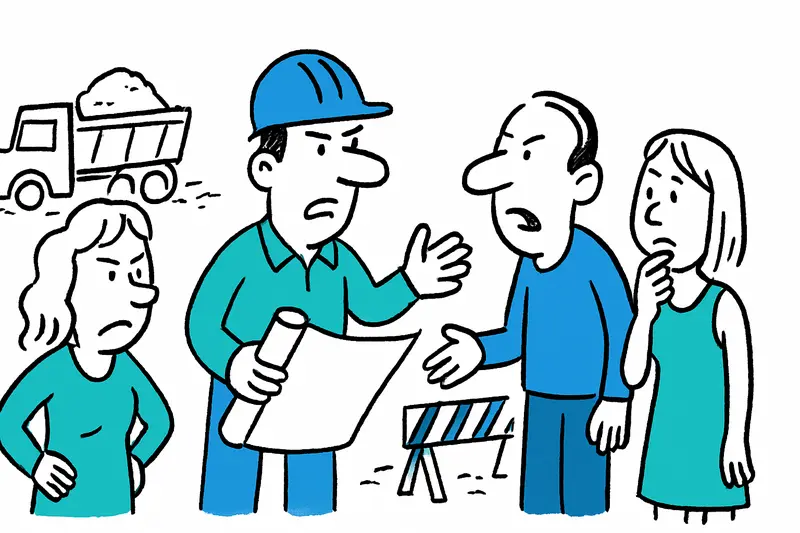
The planners have envisaged two construction phases and announced a summer pause; overall the work should take about twelve months. Practically speaking, this means: construction fences, detours for delivery vehicles, changed parking rules and construction noise for at least a year, spread over two sections with a break during the hottest season. For some business owners this means uncertainty: when will customers come, how will suppliers reach the restaurants, and how can outdoor dining and terraces remain attractive?
On site you can see the small everyday scenes that often get overlooked in such projects: a fisherman unloading his nets next to an excavator early in the morning; the corner café whose regulars complain about the increased construction dust; cyclists taking cautious detours until the new bike lane is actually in place. Gulls screech, boats honk in the harbor, and construction plans already lie open in a bar on the promenade — between espresso cups and newspapers.
Viewed critically, there are several points that have so far been neglected: transparent alternative routes for deliveries, concrete protective measures for shop access, information on parking during construction, evidence of noise-reduction measures and clear commitments to preserve trees or green spaces. It also remains unclear how the municipality will deal with possible revenue losses of small businesses — for example through tax deferrals, fee waivers or a temporary compensation fund. Questions about where funds come from echo concerns raised in Alcúdia plans desalination expansion: Who pays, who really needs the water?.
From practical experience on Mallorca, there are simple solutions that could help here: schedule construction sections so that at least one side of the boulevard remains usable for pedestrians and terraces; fixed delivery times for trucks outside peak hours; clearly visible signage and provisional loading zones in side streets; noise measurements with publicly accessible results; and a clearly announced hotline for affected businesses that can respond quickly to problems. Similar harbour works and the questions they raise are described in Construction begins in Cala Ratjada: Opportunity for the harbour or a disruption?.
Concrete proposals for Alcúdia that could be implemented immediately:
1) Transparent construction calendar: Weekly updates with clear milestones, visible to residents, businesses and tourists. No vague wording — give dates.
2) Delivery and parking management: Time windows for goods deliveries, temporary parking areas outside the pedestrian zone and shuttle offers for employees.
3) Economic compensation: Short-term relief on business taxes, reduced fees for outdoor dining during the season or vouchers the municipality offers in cooperation with local businesses.
4) Community engagement: A local oversight committee with representatives of business owners, residents and the construction management that meets weekly and addresses problems immediately.
5) Rethink construction methods: More prefabrication, night work only where absolutely necessary, and noise-insulating measures on machinery.
Why these points matter: a street in the harbor is not just asphalt and curbs. It is a workplace, a shop window, a meeting place for visitors and locals. If the renovation pays too little attention to current operations, vacancies and reputational damage may follow — precisely at a time when Alcúdia needs its visitors.
What is missing so far from the public debate is a clear cost-benefit analysis for the next twelve months from the perspective of the local economy. The long-term benefits — better quality of stay, more space for cyclists, a more attractive promenade — are plausible. But for the present, simple, effective measures are needed so that smaller providers do not have to bear the burden alone.
The municipality now has the opportunity to shape the project not only structurally but socially as well. A measured construction policy can ease the renovation: less frustration, fewer business losses, and in the end a boulevard that everyone uses. Without such precautions, a rough summer with construction fences in front of shop windows threatens.
Conclusion: The renovation of Avinguda Pere Mas i Reus is necessary and sensible. But good intentions alone are not enough. Those responsible must explain the schedule honestly, mitigate the social consequences and demonstrate with clear, practical measures that people in the harbor will not be left with only noise and barriers — but will end up with a better street.
Frequently asked questions
Why is Alcúdia renovating Avinguda Pere Mas i Reus, the Calle del Dólar?
How long will the Calle del Dólar works in Alcúdia take?
Will the renovation of Alcúdia's harbor boulevard affect shops and restaurants?
Can you still walk or cycle along the promenade in Alcúdia during the roadworks?
What parking problems should visitors expect in Alcúdia's harbour area?
Is the Calle del Dólar renovation in Alcúdia happening during summer?
What should locals and business owners in Alcúdia ask the municipality about the roadworks?
Why do some people in Alcúdia worry about the Calle del Dólar project?
Similar News

When the Wallet Becomes a Danger: Attack in Peguera and Lessons for Mallorca
In Peguera, two women are said to have stolen the wallet from a 75-year-old German couple. When the victim intervened, t...
Plata stays Plata: Young people take over, Llonguets remain
A small bar on Carrer de l'Argenteria will continue: Tolo Serra hands the place over to young Mallorcans at the end of t...

Unnoticed in the Luggage Compartment: How a Boy Traveled More Than 100 Kilometers in a Team Bus
A minor traveled in the undercarriage of a team bus for more than 100 kilometers until his cries for help were heard. A ...

Cap Vermell Grand: Second Michelin Key – a Gift for the East
The Cap Vermell Grand in Capdepera has been awarded its second Michelin key. For the region this elevates the luxury off...

Eurowings lets four aircraft carry names – a friendly idea that also reaches Mallorca
Eurowings is launching a campaign: four Airbus A320s are to carry the first names of people who help others in everyday ...
More to explore
Discover more interesting content

Can Cap de Bou

Townhouse Lleo 72
