

IT outage threatens allocation of 650 vacation rental slots in Mallorca
A repeatedly failing online system calls into question the allocation of around 650 vacation rental slots in Mallorca. Those affected demand transparency, legal clarification and technical fixes.
IT failure puts allocation process for vacation rentals in jeopardy
It felt as if someone had pulled the plug in the middle of the application rush: the island council's online registration portal, through which around 650 slots for vacation rentals were to be allocated, crashed multiple times, as reported in IT outage threatens allocation of 650 vacation rental slots in Mallorca. Many applicants sat in front of their screens, heard the soft clinking of coffee cups on the Passeig and saw nothing but the spinning loading indicator. In this procedure the order of registration decides — and that very order is now in dispute.
The problems began in early September. At peak times those affected report more than 300 applications per minute, then the system failed, as noted in IT failure in allocation of 650 vacation rental slots: Why trust is at stake. Agencies, private landlords and retired couples hoping for a small extra income filed hundreds of complaints. Even on Calle Sant Miquel in Palma, hardly a place for digital dramas, people were debating priorities in front of a notary on Monday — a scene more expected at property auctions than during a software outage.
What now? Authorities are considering a restart — but practice is complicated
The island council is having it reviewed whether the allocation procedure must be annulled and restarted completely. Administrative staff say they do not want to make a hasty decision. This caution is understandable, but the uncertainty directly affects people: some have already confirmed bookings, others planned renovations or organised their year around the potential extra income.
At the same time, the question of liability arises. If log files and technical expert reports reveal financial damage, who will cover it? The island council announced it will bring in external IT forensics experts, as discussed in Technical roadblock in license sale: What the outage means for Mallorca's landlords. That is a necessary step, but it takes time. Who pays late fees, cancelled reservations or the costs for urgently needed legal advice?
Reactions on the ground are mixed. An agent from Cala Major told me dryly on the phone: “Load tests before such a launch would not have been a luxury.” Guidance on load testing is available in Cloudflare's guide to load testing. A host from Sóller, in her mid-50s, sent a message: “I spent hours at the computer — in the end everything was gone.” Such personal images show how deeply digital failures affect everyday life: the buzz of voices on the plaza, the clacking of keyboards in a small Palma office, all mixed with worries about livelihood and planning security.
Alternative allocation models under review
Alternatives are already being discussed: a lottery, a points system that rewards criteria such as local roots, sustainability measures or social aspects, or a combination of both. Technically much is possible — in practice such models collide with legal requirements and the political debate about fairness and transparency.
A lottery could bring quick clarity but might disadvantage those who have invested in the market for years and built verifiable local ties. A points system, in turn, requires clear, verifiable criteria — which is administratively demanding. It is already clear: the solution must be legally sound and socially acceptable.
Short-term measures are conceivable: timestamp checks, manual re-verification of particularly affected cases, a temporary waiting list or an independent review panel that quickly evaluates complaints. Such steps could help limit further damage until a permanent regulation is in place.
Politics, administration and the industry must act
Politically the situation is delicate. The island council must communicate transparently, provide verified facts and name a binding roadmap. The industry demands quick clarity, fair compensation for demonstrable damages and the involvement of associations in finding solutions. Another lesson: authorities should secure future digital allocation procedures with reliable load tests, clear contingency plans and external security audits.
For the roughly 650 affected people the situation remains uncertain for now. Many have outstanding bills, some are already losing bookings — and tempers are frayed. The administration has announced it will analyse the log files and bring in experts. That is the right path, but it is not sufficient as a social response to the problem.
Conclusion: Technical failures are not purely technical problems. They affect people in their daily lives, decisions and plans for livelihood. To make future allocation procedures fairer, faster communication, clear procedural alternatives and binding review mechanisms are needed. I will follow this — until calm returns and the spinning loading indicators are replaced by reliable status messages.
Frequently asked questions
What happened with the vacation rental slot allocation in Mallorca?
Will the Mallorca vacation rental allocation process be restarted after the outage?
Who could be affected by the Mallorca rental portal failure?
How are Mallorca authorities checking what went wrong with the rental application system?
What could happen if Mallorca decides the rental allocation was not valid?
What alternative systems are being discussed for Mallorca vacation rental slots?
Why is the Mallorca rental slot issue seen as more than a technical problem?
What can Mallorca landlords do while the vacation rental allocation is unresolved?
Similar News
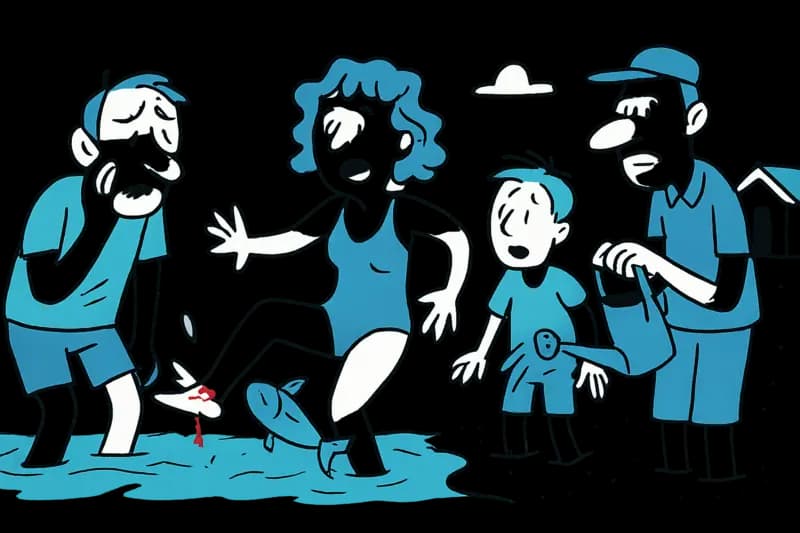
Why the Striped Breams in Cala Pí Should Be a Wake-up Call
Once again bathers in Cala Pí were surrounded while swimming by small, nippy fish — some wounds bled. Time for clear rul...

Daily from New York: How Palma's Air Traffic Is Growing — and What Must Change
United will increase the Newark–Palma service to daily flights in 2027 (Boeing, 231 seats). Strong tourist numbers clash...

When Love Ends in Shards: Destruction in Son Vida and the Questions That Remain
In Son Vida a relationship dispute escalated: a woman destroyed furniture in a luxury villa, later pressed a panic butto...

Who Bears the Burden? Mallorca Between Tenant Protection and Landlord Fears
Madrid's new housing decrees strengthen tenant rights — but on Mallorca concern is growing: will the law drive small lan...
On the Edge: What Mallorca's Airport Loses If a Major Low-Cost Carrier Falters
The company that operates numerous connections from Palma to France and domestically is negotiating with creditors to re...
More to explore
Discover more interesting content

Can Cap de Bou

Townhouse Lleo 72
