
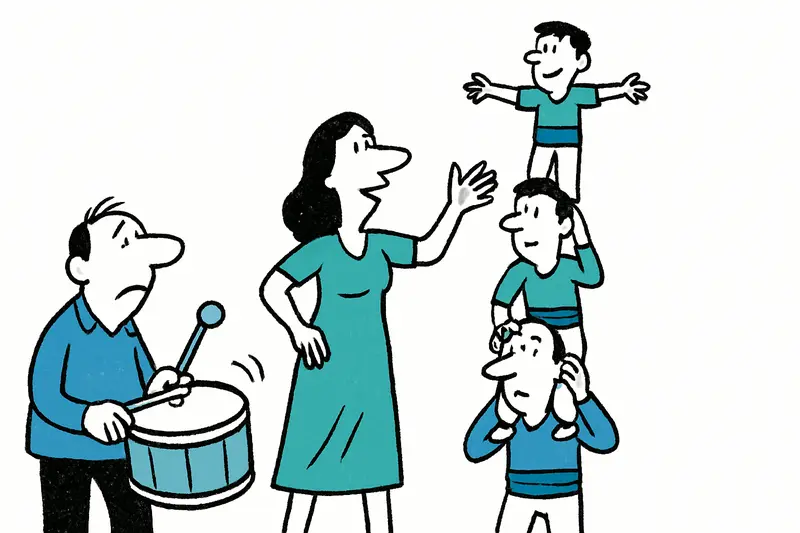
Angel Sunday in Palma: Celebration Moves to Parc de la Riera
Angel Sunday in Palma: Celebration Moves to Parc de la Riera
The Diumenge de l'Àngel, a tradition more than 600 years old, was held today not at Castell de Bellver but at Parc de la Riera after a weather-related postponement — with music, gegants (giant figures) and human towers.
Angel Sunday in Palma: Celebration Moves to Parc de la Riera
Today from 10:00 to 17:00 – Music, folklore and bread as a reminder of sharing together
The sun had been struggling out from behind gray clouds at the edge of the bay yesterday when the decision was made: the Diumenge de l'Àngel, the traditional Angel Sunday, would be celebrated today at a different location. Not at the usual Castell de Bellver, but officially for the first time in Parc de la Riera. The relocation was something unusual yet familiar: festivals in Mallorca can be flexible as long as people come together.
Those who strolled through the Riera early today smelled fresh bread and heard drums and flutes instead of car horns. Families spread out blankets, children ran between the olive trees, and on a small stage folkloric dances alternated with local bands. The giant figures, in Mallorcan 'gegants', stomped through the crowd with their wooden shoes. Nearby, groups practiced the ancient art of building human towers — known from Catalonia and here interpreted with Mallorcan ease.
Diumenge de l'Àngel has a long history on the island: for over 600 years the celebrations have marked the Sunday after Easter. In the past, sharing was central on this day. Bread was distributed to the needy and eaten together. This act of sharing today is not just folklore but a reminder of solidarity in neighborhoods and villages — something many here still remember firsthand.
The fact that the celebration was postponed from its original date on April 12 due to bad weather hardly dampened spirits. The square in front of Castell de Bellver had been the starting point for the Binter NightRun just yesterday — a contrast that shows how varied Palma can be in a single weekend: sport in the evening, tradition by day, a topic explored in how residents and mobility stay in sync during patronal celebrations. At Parc de la Riera new sightlines opened up; the acoustics under the trees gave the songs and drums an almost intimate atmosphere.
Visitors brought baskets of leftover bread and small loaves; some offered homemade cakes. It wasn't a big, polished production, but rather a slightly chaotic, heartfelt gathering. Older women sat on folding chairs and told children why sharing had once been so important. The city council had set up small information stands about traffic restrictions for the Patronal festival, but the heart of the matter was the shared food and the spontaneous conversations between neighbors and tourists who happened to pass by.
Why is this good for Mallorca? Events like this help keep traditions alive instead of letting them gather dust in museums. Especially in a city like Palma, which in spring is not yet overwhelmed by crowds of tourists, festivals like Angel Sunday offer an opportunity to experience culture in everyday life: local music, folk dance steps, the giant figures, and the sharing of bread — simple things with a big impact.
If you missed the celebration: next time bring a piece of bread to share and be respectful of the park and its plants. If you go, bring a reusable bottle: the small shops around the Riera welcome visitors, and that helps keep the atmosphere authentic. You might even strike up a conversation with an older Mallorcan woman who still has stories about past Angel Sundays.
Today in the Riera not everything was perfectly organized — and that's okay. In the quiet disorder lies part of what defines this island: people coming together to keep something old alive. A little bread, a song, a dance: that's all it takes to make a Sunday in Mallorca feel warmer.
Frequently asked questions
What is Angel Sunday in Mallorca?
Why was Angel Sunday held at Parc de la Riera in Palma?
What can you expect at Angel Sunday in Palma?
Is Angel Sunday in Mallorca a good event for families?
What should I bring to Angel Sunday in Palma?
What is the meaning of bread at Angel Sunday in Mallorca?
Can you still experience traditional Mallorcan culture in Palma during spring?
What is Parc de la Riera like during a Palma festival?
Similar News

More water than last year: Mallorca's reservoirs breathe easier
September rain refilled the Tramuntana's reserves: overall fill around 35 percent, Cúber at 40.42 percent, Gorg Blau at ...
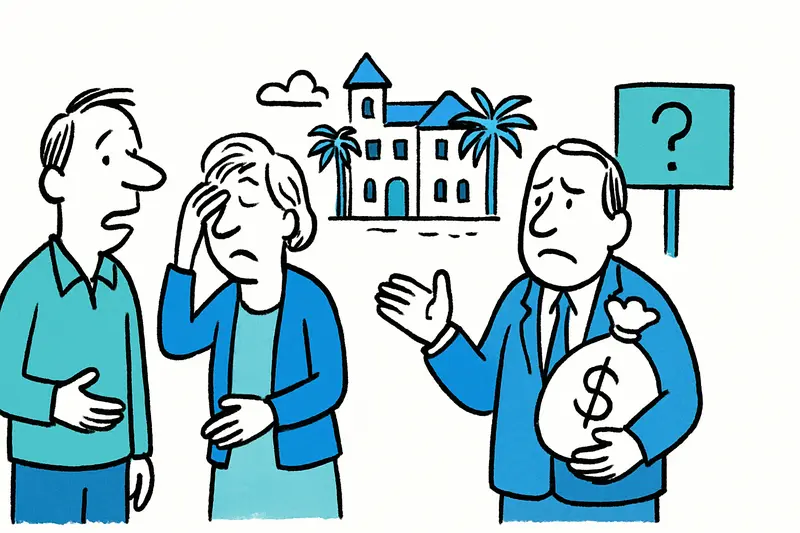
Three Luxury Hotels in Banyalbufar: Lots of Money, Many Questions
A Danish investor plans three exclusive accommodations in Banyalbufar — including the historic Son Valentí. The announce...
2.1 tonnes of cocaine on sailing yacht off Spain's coast – a reality check for the coastguard
A 14-metre yacht was seized with 2.1 tonnes of cocaine. Who monitors the ports, how does the international hunt succeed ...
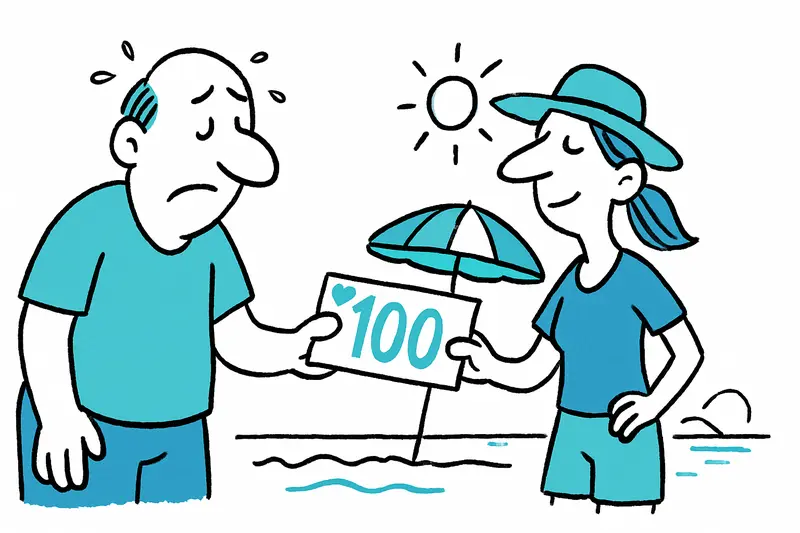
Heat Bonus in Mallorca: 100 Euros Extra for Outdoor Staff at MarSenses
MarSenses pays employees who worked outdoors in August an extra €100 as recognition. Lighter uniforms, reduced hours for...
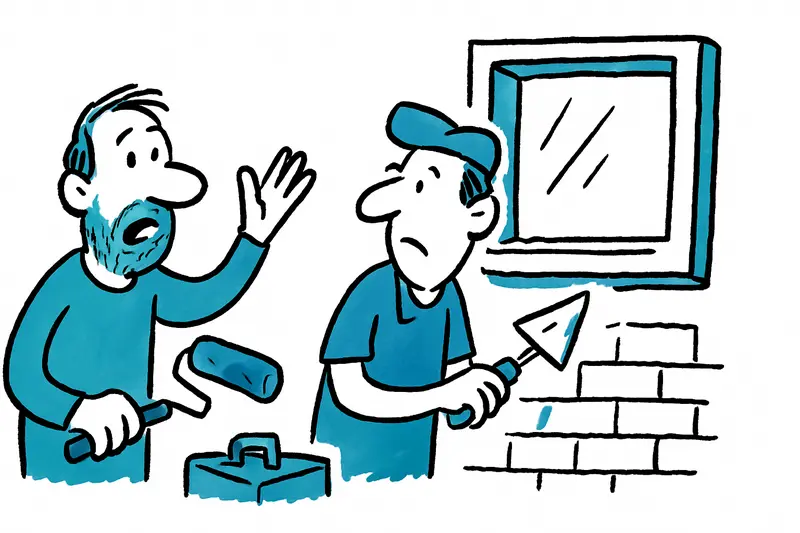
Renovating in Mallorca: What You Really Can Do Without Neighbour Consent
Many think they can do whatever they want in their apartment. That's partly true — but only as long as structural elemen...
More to explore
Discover more interesting content

Can Cap de Bou

Townhouse Lleo 72
