
After a Roof Collapse in Artà: Termite Alarm on Carrer de les Roques — Who Takes Responsibility Now
A piece of roof fell on the Carrer de les Roques — during the investigation, termites were discovered. A wake-up call for Artà: what residents, landlords and the town hall should do now to prevent a small damage from becoming a major problem.
A section of roof collapses — and so do certainties
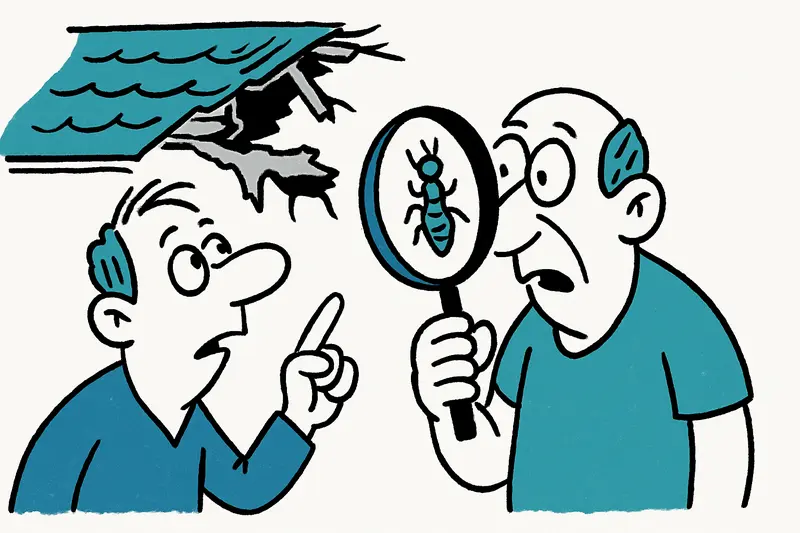
Early in the morning on the quiet Carrer de les Roques: a dull crack, then the soft rumble of gravel, and a small section of roof gives way. Fortunately no one was injured. During closer inspection, experts discovered termites in the wooden structure, as reported in Artà tras colapso parcial del techo: Alerta por termitas en Carrer de les Roques — Lo que deben saber los vecinos. Suddenly a local incident has become a key question: How could this happen — and who is responsible before a small damage turns into a larger, costly problem?
Why this case is more than a handyman job
Artà is full of houses with exposed beams, old roof trusses and Mediterranean patina. Many of these buildings date from times when different building materials and regulations applied. Add the microclimate: after rainy periods moisture often lingers in roof structures and corners, and termites like that. But there's more: holiday rentals with short turnovers, long vacancies and sporadic maintenance provide ideal conditions for pests. And not least, the market side plays a role — many providers, not all with EU certificates, lure customers with low offers that can become expensive later; this is discussed in Termitas bajo el tejado: por qué una casa en Artà se convierte en advertencia.
The often overlooked points
Public debates often focus on individual operations rather than systemic gaps. Who checks whether the companies employed are certified? How transparent are the administration's recommendations? And: how do insurers react when damage to old wooden structures is discovered? Some policies exclude damage caused by wood pests or reduce payments if maintenance was neglected. These interfaces — administration, market, insurance — are too rarely connected.
What residents should pay attention to now
Quick visual and tap check of door frames, visible beams in the attic and claddings: hollow sounds or crumbling wood are warning signs. Watch for frass: fine, sand-like deposits or tubes indicate wood-eating insects; these signs are explained in the termite identification and prevention guide. Warped doors, sinking floors: if doors suddenly stick or the floor seems uneven, this can indicate structural problems. And: damp, poorly ventilated areas — attics, basements, behind wood panels — are often checked too late.
Practical steps for those affected
Note and photograph — that is the first step. Dates and detailed shots are worth gold later in expert reports and with insurers. Second: call a certified pest control company; home remedies often only mask symptoms and can complicate expert assessments. For information on rules for pest-control products see EU Biocidal Products Regulation information. In Mallorca there are providers with EU certification — it's worth asking; for general advice see advice on hiring certified service providers in the EU. Third: talk to your insurer before commissioning major repairs — see guidance on insurance coverage for home damage and maintenance. Some policies require proof of regular maintenance; others do not cover certain damages. Fourth: report the case to the town hall. The municipality has initiated inspections to coordinate potential series checks — take advantage of this offer.
What the municipality should do — and why it must act now
A single incident exposes structural gaps. The municipality should quickly publish a list of certified pest control companies, nominate vetted assessors and create a map of potentially at-risk historic buildings. A coordinated information campaign, accompanied by spot checks, creates more security than isolated measures. Advisory services for low-income owners would also be useful — prevention is cheaper than large-scale renovation.
Long-term solutions — not just patches
When renovating wooden structures, it should be examined whether the use of certified timbers and protective treatments can be promoted. Building regulations for handling historic wooden ceilings need clear recommendations for regular visual inspections. The issue of holiday rentals should also be on the agenda: manage vacancies attractively or make inspections mandatory so they don't become pest breeding grounds.
Responsibility and neighborhood — a practical mix
Who pays in the end? There is no easy answer: owners, landlords, insurers and the public sector share responsibility. The important thing is that they act in a coordinated way now. The neighborhood can help — share tips, exchange experiences, jointly look for certified service providers. A notice on the café board at the Plaça, an email list or a meeting of the neighbors' association can build small but effective solidarity.
A final word from the neighborhood
I'm not here to spread panic, but to wake people up: a small piece of roof giving way is a wake-up call. Keep your eyes open, take photos, consult professionals. The fire brigade or the municipality's technical service are the right contacts in case of imminent collapse — don't hesitate to call. Prevention costs time and money, but it's usually cheaper than a full renovation. When the beams are safe again and the neighbor sleeps peacefully on her evening walk, the effort was worth it. The city administration must now show clear steps — the neighborhood should not be left alone in this.
Note: In case of imminent danger of collapse, immediately contact the fire brigade or the municipality's technical service.
Frequently asked questions
What should I do if I suspect termites in my Mallorca house?
Can a roof collapse in Mallorca happen because of termites?
Are older houses in Artà more at risk from termite damage?
Who is responsible for termite damage in a Mallorca property?
Will my insurance cover termite damage in Mallorca?
What are the warning signs of termites in Mallorca homes?
Can holiday rentals in Mallorca have a higher termite risk?
Should I report termite damage to the town hall in Mallorca?
Similar News

When coercive fines aren't enough: Could holiday rental owners soon face prosecution?
The island administration is stepping up action against unauthorized holiday rentals: high daily coercive fines up to €5...

Palma Airport on an Expansion Course — Who Decides How Much Growth the Island Needs?
Aena and Madrid are planning multi-million euro investments for Son Sant Joan and project higher capacities. Concern is ...
Who Gets Left Out? Why Overbookings Will Hit Many Mallorca Travelers This Summer
On hot check-in days at Son Sant Joan, frustrated travelers pile up. New figures from Reclamador.es show that a large sh...
When the Handyman Came: How an Engagement Ring Disappeared in Mallorca and What It Says About Trust
During a repair in Andratx a highly personal engagement ring went missing — a case that calls not only for punishment bu...
How Burglars Test Fincas in Mallorca — and What You Can Do About It
The Spanish National Police warn of a simple but effective trick: small markings on doors reveal whether a finca is occu...
More to explore
Discover more interesting content

Can Cap de Bou

Townhouse Lleo 72
