
Termites under the Roof: Why a House in Artà Becomes a Warning
In Artà part of a roof structure unexpectedly collapsed — the cause was severe termite infestation. The incident reveals gaps in prevention, inspections and responsibility. A wake-up call for owners, craftsmen and the municipality.
Termites under the Roof: A House in Artà Becomes a Warning
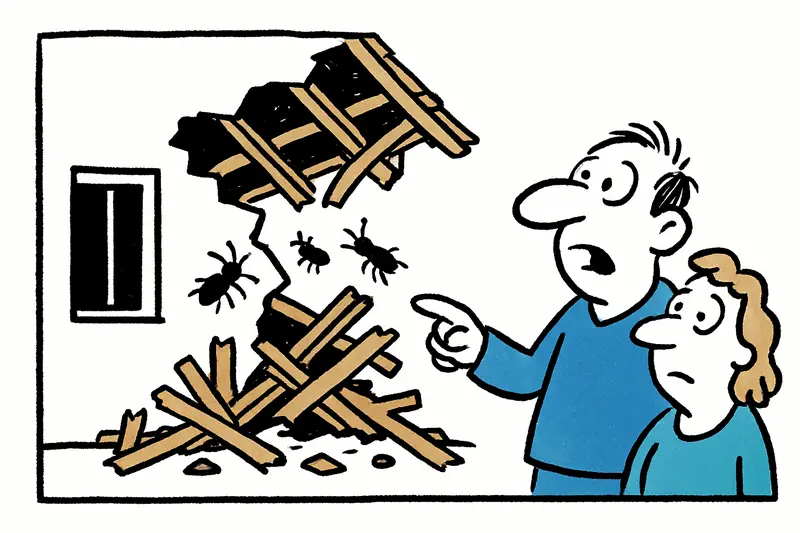
In a quiet side street of Artà, wooden beams and roof tiles came crashing down early on Tuesday morning, in what has been reported as a roof collapse in Artà. Fortunately no one was in the house – otherwise the crash might have cost a life. What remained was the sight of dust in the air, neighbors peering down the lanes with flashlights, and the bitter realization: the beams had been hollowed out from the inside to the point that they could no longer bear the load. Experts name the cause: termite infestation.
The central question: Why is this noticed so late?
Every experienced carpenter on the island knows that termites are invisible workers. They eat from the inside out. A wooden surface can still look intact on the outside while tunnels and cavities grow inside. Still, the municipality and the neighborhood ask: why do we only notice it when something collapses? Is it due to a lack of knowledge, misplaced priorities, or simply because inspections do not take place?
How the almost invisible becomes visible
Neighbors heard a faint cracking noise a few hours before the collapse. The baker on the corner dryly commented, “Don’t wait for the noises—better to check one time too many.” Such signals easily get lost in everyday sounds – the wind flickering through the pines, the distant roar of the sea, the church bells. Many residents prefer to put new tiles on the roof or repaint the facade rather than go into the attic to inspect the beams. Plastered-over ceilings and poorly ventilated attics are both an invitation and a hiding place for termites.
Climate, construction style and decades of renovations
Majorca’s mild climate with warm, humid nights creates ideal conditions for wood-eating insects. Older houses and fincas in and around Artà, with original wooden ceilings and massive beams, are particularly at risk. Over recent decades, building elements were often bricked up or covered — the idea was convenience, saving money, modernizing. The side effect: cavities where pests can multiply undisturbed for years. Recent similar events include the partial collapse of a historic escar in Son Bauló.
What is missing in the public debate
Amid all the dismay three topics are overlooked: first, prevention. Regular visual inspections, controlled ventilation and moisture measurements are not a luxury but necessary. Second, the question of responsibility: who is responsible? Owners, landlords, the municipality? Third, the role of insurers and heritage protection: many fincas are protected and renovations are expensive — recall the roof hole at the Valldemossa Charterhouse. Often the money is not available and unprofessional solutions are chosen — with fatal consequences.
Concrete immediate measures for those affected
Anyone living in Artà or the surrounding area who suspects an infestation should act as follows: do not enter an unstable building; keep your distance; inform the fire brigade or municipality for securing the site. Have an initial structural check carried out by a certified structural engineer or carpenter. Document damage with photos for expert reports and insurers. And please: do not attempt DIY repairs on load-bearing elements.
Practical prevention – what homeowners can do now
A few simple rules reduce the risk: regular attic checks (at least once a year), ensure open ventilation, fix damp spots quickly and tap exposed wood to check for hollow sounds. During renovations, make sure building elements remain accessible rather than being permanently covered. Small measures like sealing cracks and gaps or moving wood piles away from the house often help more than expected.
How to combat termites professionally
Proven methods exist: bait and attractant systems, targeted injections, replacement of severely damaged beams and application of approved wood preservatives. A crucial note: only hire certified pest control specialists and qualified tradespeople. Incorrectly applied treatments or improper repairs can worsen the damage and further compromise the structure.
What the municipality could do — and why it should
The incident in Artà is not an isolated signal but a wake-up call. Municipal measures could include: an information campaign with checklists, subsidized initial inspections for old buildings, a map of reported infestation cases for better risk assessment and training for local craftsmen. Such steps are unspectacular but effective: they protect people, preserve building fabric and save money in the long run. In the short term it costs a little, but in the long term it prevents catastrophes and expensive emergency measures.
In the end it is a mixture of vigilance and technique. Termites may work invisibly. We can make life harder for them — with regular inspections, good ventilation and the right professionals. Until then the simple neighborhood wisdom applies: better to check one time too many than one time too few.
Frequently asked questions
How can termites damage a house in Mallorca without anyone noticing?
What are the warning signs of termites in a Mallorca home?
Why are older houses in Mallorca more at risk of termite damage?
What should I do if I suspect termites in my Mallorca property?
How can Mallorca homeowners prevent termite damage?
What is the best way to treat termites in a Mallorca house?
Why is Artà seeing concerns about roof collapse and termites?
What can Mallorca municipalities do to reduce termite risks in old buildings?
Similar News

The End of the Cheap Ride? Why Mallorca Is Hit Harder by the Fuel-Price Shock
Gasoline and diesel average close to two euros per liter. What this means for commuters, supply chains and renters in Ma...
Relaxed liquid rules in Munich: What Mallorca travelers will notice
At Munich Airport the 100-milliliter rule will be lifted at all checkpoint lanes — thanks to new CT scanners passengers ...

For 45 Years on Mallorca — and Then This: How a Market Visit in Santa Ponsa Became a Lesson
A woman who has lived on the island for decades lost money and important documents at the Mercat Setmanal in Santa Ponsa...
10 percent surcharge on the beach: How legal and transparent is the extra charge at Playa de Muro?
A German part-time resident noticed days after a restaurant visit in Playa de Muro that the bill included a flat ten per...

Body near the Llevant Market: What this death says about our city
A man was found dead on Sunday afternoon near the Llevant Market. Police say the death appears natural. The scene raises...
More to explore
Discover more interesting content

Can Cap de Bou

Townhouse Lleo 72
