
75 Kilograms of Drugs by Parcel: Who Is Liable When Logistics Becomes a Weak Point?
75 Kilograms of Drugs by Parcel: Who Is Liable When Logistics Becomes a Weak Point?
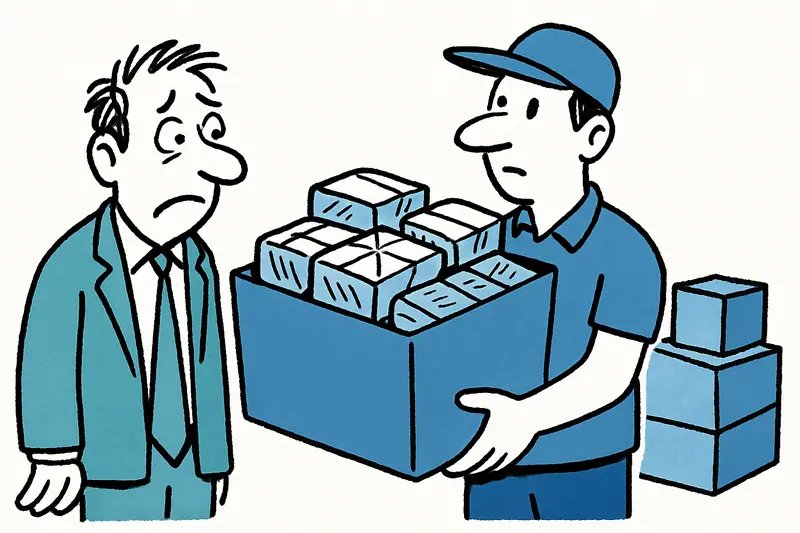
In Palma investigators seized a parcel containing 72 kg of hashish and 3 kg of cocaine that was discovered in a logistics warehouse. This reality-check examines why such cases are becoming more frequent and which gaps in the system remain.
75 Kilograms of Drugs by Parcel: Who Is Liable When Logistics Becomes a Weak Point?
Reality-check on a find in a Palma logistics warehouse
Key question: How could a shipment with 72 kilograms of hashish and 3 kilograms of cocaine reach a logistics warehouse in Palma, and what does this mean for the control of parcel flows on the island?
The facts are brief and clear: investigators from customs surveillance and the Guardia Civil discovered a shipment totaling 75 kilograms of narcotics in a hall of a logistics company in Palma. The investigations began on April 11; the arrest of the recipient took place on April 15 by the Unit for Tax and Border Analysis and Investigation (UDAIFF) of the Port of Palma together with the customs surveillance service.
On the way to the hall, in the afternoon in the Polígono de Son Castelló, you hear the clatter of forklifts, smell diesel and see stacks of cartons, address labels and routing slips. These images are part of everyday island logistics — and it is precisely here that organizational weak points appear which criminals exploit.
Critical analysis: The find is not an isolated sensational event, but part of a series of cases in which drugs were hidden in shipments, as reported in 675 Kilos of Cocaine: What the Find Means for Palma, Inca and Binissalem.
The modus operandi is known: organized structures or small dealers use shipping routes, pack substances in clothing, food or other seemingly harmless goods and obscure identities. Inspecting individual parcels remains laborious and resource-intensive for authorities; delivery workers have sometimes been the first to notice suspicious packages, as covered in Hashish Package in Palma: When Delivery Workers Become Investigators.
What is missing in public discourse: There is a lot of talk about the arrest, but rarely about the structural questions. Who inspects the internal processes of logistics companies? What obligations exist toward customers, employees and authorities when a parcel with illegal contents passes through private facilities? And how transparent are the reporting chains when employees become suspicious?
Also missing are the working conditions in warehouses: time pressure, high throughput and rotating shifts increase the likelihood that unusual shipments go unnoticed. Added to this is the technical backlog: not every company has X-ray scanners; hundreds of shipments are manually sorted every day.
A typical scene: early one morning in front of a small café in Son Castelló, you see parcel couriers quickly sipping a café con leche and preparing for the next delivery round. They often have only seconds to check labels; conspicuous packages easily disappear among hundreds of others. This haste is not an excuse, but an explanatory observation.
Concrete solutions: 1) Create mandatory risk profiles for shipments destined for islands and introduce a higher inspection interval. 2) Enact legal reporting obligations for logistics companies for suspicious shipments, combined with a protected whistleblower system for employees. 3) State-funded equipment for small and medium logistics companies with non-invasive scanners and training to recognize warning signs. 4) Stronger data networking between providers, port authorities and customs (respecting data protection rules) so patterns can be identified quickly. 5) Regular audits in industrial areas like Son Castelló, with checklists for security and documentation.
Technically possible measures also include intensified controls at central hubs: random sampling, sniffer dog units and analytical laboratories at strategic locations can create a deterrent. And legally: clear liability rules when companies repeatedly neglect safety requirements.
What authorities are already doing remains important: the successful identification and arrest of a recipient shows that investigative work is effective. But prevention must not lag behind reaction. If the island remains an attractive destination, the risks will follow.
Concise conclusion: It is not enough to simply stop the parcels. We must examine the routes, rules and people behind the shipments. Son Castelló is a logistical pulse of the island — there the answer begins to the question of how Palma can make its supply chains safer.
One final thought: Anyone who sends or receives parcels is part of this system. More transparency, better equipment and a reporting culture in the warehouses could prevent the next shipment with illegal contents from passing through operations — and thus make Mallorca a bit safer.
Frequently asked questions
What is the weather like in Mallorca in autumn?
Can you still swim in Mallorca in autumn?
Is Mallorca a good place to visit in the off-season?
What should I pack for Mallorca in autumn?
What is Valldemossa like in autumn?
Is Palma de Mallorca pleasant to explore after summer?
Are Mallorca beaches crowded in autumn?
Is autumn a good time for hiking in Mallorca?
Similar News

Four goals, heart-stopping moments, a message: Germania Mallorca takes three points in Consell — questions remain
The new German club on the island won its first away game in Consell 4:3. Celebration, a 4:0 lead, then a nervous finish...

Mueller continues expanding in Mallorca: Artà in 2026, Can Picafort in early summer 2027
The drugstore chain Mueller is opening two new stores in Mallorca: a 1,400 m² shop in Artà on 5 November 2026 and a bran...
The Painter Who Lived Mallorca: Franz Taussig and His Century-Old Secret
A hundred years ago a young Viennese arrived in El Terreno, sketched the island and called himself Francis Caron. Today ...
Airport dispute: Bridge, forecasts and the question of responsibility
A video by the Spanish transport minister has ignited the dispute over DORA figures, capacities and local governance pow...

The Painter Who Invented Himself: How a Young Viennese Drew Mallorca
A hundred years ago a 19-year-old draftsman arrived in El Terreno. His diary and sheets, long known under the pseudonym ...
More to explore
Discover more interesting content

Can Cap de Bou

Townhouse Lleo 72
