
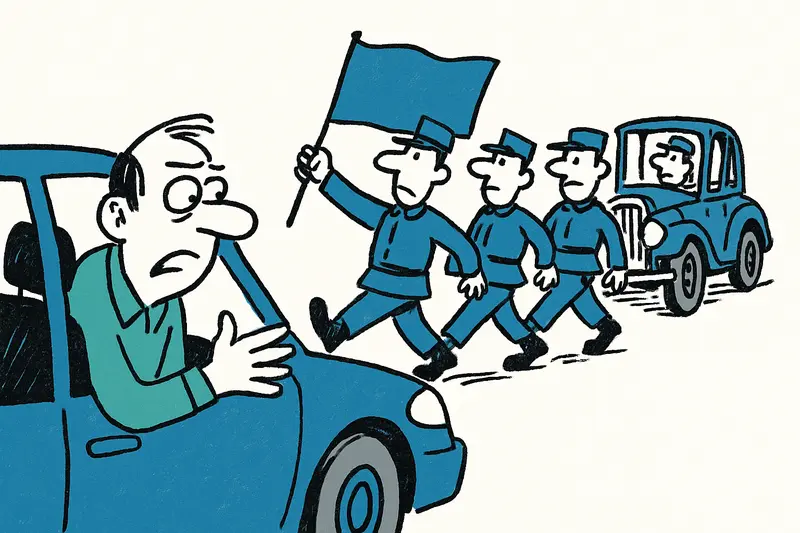
Parades, vintage cars, street chaos? How Palma and the island should better manage closures
A military parade and a classic car rally are causing short-term road closures today — great photos for tourists, headaches for residents, suppliers and care workers. What's missing: faster information, real coordination and pragmatic emergency corridors.
Parades, vintage cars, street chaos? How Palma and the island should better manage closures
Today on Mallorca a simple mantra applies: plan or wait. The military parade for Día de la Hispanidad in Palma and the classic car rally 550 Challenge Mallorca turn parts of the island into a Bentley-filled photo backdrop — and at the same time into a logistical bottleneck. Bells ring, engines roar, and in the middle of it all stand delivery vans, taxis and elderly women doing their shopping. The central question remains: how well prepared are the city and the island when beautiful events collide with everyday life, as reported in Atención conductores: desfile y rally de coches clásicos provocan cortes — lo que Mallorca necesita ahora?
The problem in short: timing meets everyday life
Between 10 a.m. and 1 p.m. Palma shrinks this Friday: Carrer Colom, Plaça de Cort, Plaça de la Reina and the access roads to the old town will be temporarily closed. For visitors this may look like a charming city stroll; for bakeries, care services and tradespeople it means: missed time windows, postponed appointments, lost income. In the countryside it is the narrow roads Santa Margarita–Sineu or Pollença–Lluc that are closed for photos of polished hoods — and that cause unpleasant delays for people with flights or ferry connections. Similar large-scale closures and their consequences have been analysed for other events in Marathon on October 19: How Palma Organizes the State of Emergency — and What's Missing.
What is often missing from the debate
We talk a lot about tourist effects and attractive images, but too rarely about the invisible services that keep the island running: pharmacy deliveries, meals on wheels for older people, waste collection, tradespeople with deadlines. When access roads are blocked, it's not just cars that stop — it's people waiting for help.
At the same time, a reliable communication channel for three groups is often missing: residents, professional service providers and tourist guests. Digital maps exist, but they are not delivered equally quickly or user-friendly everywhere. A rental driver without Mallorcan plates stands there confused in front of a closure; the EMT's digital timetable tells a different story than the voice on the bus, as happened during protests described in Evening Road Closures in Palma: Between the Right to Protest and Traffic Chaos.
Concrete weak points
1. Emergency corridors are missing: Clear, agreed and monitored passages for emergency services and care providers must be put in place — not debated only when the ambulance reaches a locked street.
2. Delivery and service time windows: Short-term permits for suppliers and care services should be centrally and digitally requestable; calling five different offices helps no one.
3. Information gaps: Local radio stations, digital boards at access roads, push notifications to rental cars and clear notices in hotel lobbies and parking garages would significantly reduce the frustrating “I didn't know about it”.
4. Local contact persons: Instead of abstract signs, there should be two “event officers” per affected neighborhood — people on site who can explain, redirect or grant temporary access.
Pragmatic solutions — quickly implementable
A few proposals that could be implemented quickly and without a multi-million budget:
- Central digital platform: A real-time portal showing closures, diversions and exception rules for suppliers. Interfaces to rental car companies and taxi apps including push info.
- Time windows for service providers: Agreed delivery times early in the morning or late at night, with vehicle marking to facilitate checks and avoid misunderstandings.
- Park-and-ride with flexible shuttle: Free parking on the city outskirts on big event days, combined with a minibus network that also offers luggage drop-off for hotels — quickly organizable and relieving congestion.
- On-site teams: Volunteers or paid helpers, visible in vests with a phone number, who can make quick decisions — for example a supplier pass for a single access.
What locals and visitors can do now
Build in a time buffer of 30–60 minutes. Ask at the hotel or the petrol station about detours — they often know the “secret” side routes. If possible: go on foot, by bike or e-scooter into the old town; it saves nerves and is better for sightseeing. And: talk to tradespeople or delivery services in advance — a short text message can prevent a lot of trouble.
Conclusion: more harmony between events and everyday life
Events bring life and euros to the island towns, that is indisputable. But life also means that supply chains work — especially for people who cannot simply reschedule their appointments. If the city, organizers and service providers now set up pragmatic communication channels and clear exception rules, everyone gains: visitors enjoy the parade, vintage cars elicit wonder, and the baker opens his doors on time.
And if things do get stuck: take a seat at a café terrace in the old town, breathe in the scent of freshly brewed café con leche and listen to the distant rumble of a four-cylinder vintage car. Sometimes waiting is itself a small Mallorca experience — with the difference that we could make it a little less chaotic in future.
Frequently asked questions
How do road closures in Palma usually affect getting around the city?
What should I do if I need to reach Palma during a parade or rally?
Can emergency services and care providers still access closed streets in Mallorca?
How can residents and visitors find out about street closures in Mallorca?
Why do events in Palma sometimes disrupt shops, deliveries and appointments?
What roads are affected by the vintage car rally in Mallorca?
Is it still worth visiting Palma’s old town when streets are closed?
What is the easiest way to avoid stress during closures in Mallorca?
Similar News
Masked Images, Real Panic: When Social Media Aesthetics Alarm Neighbors
Five German content creators filmed on a recently vacated detention site using deceptively realistic props. The result: ...
Why the Striped Breams in Cala Pí Should Be a Wake-up Call
Once again bathers in Cala Pí were surrounded while swimming by small, nippy fish — some wounds bled. Time for clear rul...
Daily from New York: How Palma's Air Traffic Is Growing — and What Must Change
United will increase the Newark–Palma service to daily flights in 2027 (Boeing, 231 seats). Strong tourist numbers clash...

When Love Ends in Shards: Destruction in Son Vida and the Questions That Remain
In Son Vida a relationship dispute escalated: a woman destroyed furniture in a luxury villa, later pressed a panic butto...
Who Bears the Burden? Mallorca Between Tenant Protection and Landlord Fears
Madrid's new housing decrees strengthen tenant rights — but on Mallorca concern is growing: will the law drive small lan...
More to explore
Discover more interesting content

Can Cap de Bou

Townhouse Lleo 72
