
Evening Road Closures in Palma: Between the Right to Protest and Traffic Chaos
A demonstration moves in the evening from Pere Garau along the Ramblas to the Paseo del Born. For residents, bus drivers and business owners the question arises: How well is Palma prepared for recurring demonstrations? A look at logistics, communication and possible improvements.
Key question: How prepared is Palma for recurring demonstrations?
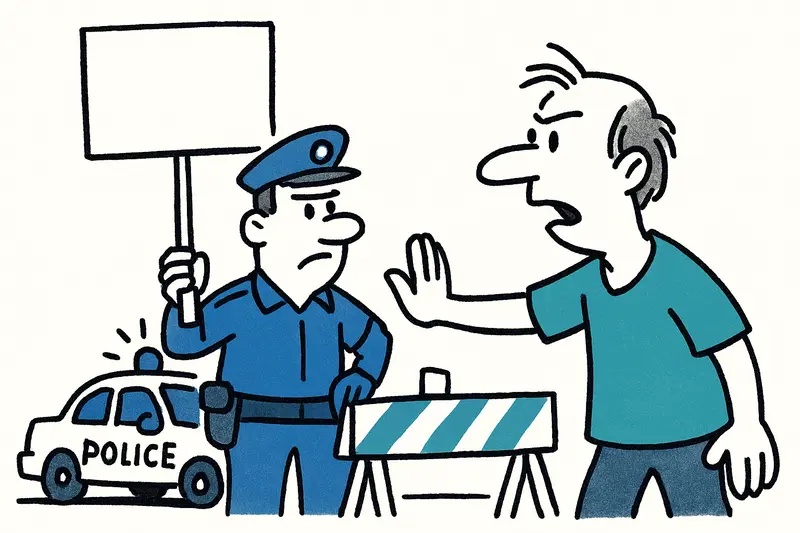
In the late afternoon there were piles of barrier tape, police cars with their equipment running and the quiet determination of people holding banners – this was how Palma appeared at 17:20 at Plaça Espanya. Anyone who had to get through the city that evening encountered a practical example of urban traffic logistics between Pere Garau, the Ramblas and the Paseo del Born: the right to demonstrate meets the need for streets to keep functioning, as seen in Palma at the Weekend: Closures, Detours and What Residents Should Know.
The demonstration, which was due to start at 18:00 and end around 21:30, led to visible closures and temporary blockages of car park exits. Residents proactively moved cars out of narrow garages, and a car park on the Ramblas was barely able to let vehicles out because emergency personnel briefly secured the access, similar to situations described in Palma packed: Fira del Variat and night run cause traffic stress – what residents and visitors need to know now. The wind carried the scent of baked almond cake from a bakery across the street – an almost surreal contrast to the serious mood of drums and chants.
Affected zones and immediate consequences
Central sections are affected: Pere Garau as the starting point, the Ramblas, the Paseo del Born and adjacent side streets. Parking spaces are partially blocked, stops are relocated and taxi drivers and cyclists have to find alternative routes. EMT announced detours; timetables can change at short notice, as occurred during other marches described in Detours in Palma: Self‑employed demonstration disrupts city center traffic – what to do?. For many this means: an additional 20 to 40 minutes, more detours and uncertainty.
Less visible, but no less relevant: coordination with private car parks and delivery services. Short-term blockages can disrupt supply chains, shops lose walk-in customers, and doctors or tradespeople arrive late for appointments. This is not just an inconvenience but an organizational problem that becomes amplified with more frequent demonstrations.
What is often missing in the public debate
We talk a lot about the right to demonstrate and about police operations. Less discussed is how such events can be structurally embedded into the daily routine of a city. Two points stand out: first, the information chain to residents, businesses and commuters – warnings often arrive late or via different channels so the message does not reach all target groups. Second, the issue of accessibility: people with mobility impairments or older residents are rarely specifically informed about which routes will remain accessible.
Another often underestimated variable is the role of digital infrastructure. Dynamic traffic signs at access points, real-time updates in the EMT app or push notifications from the city could avoid much uncertainty. Instead, information often remains fragmented: local social media posts, police bulletins and notices – well intended, but not always effectively networked; events such as parades and classic car rallies highlight these coordination gaps, as discussed in Parades, vintage cars, street chaos? How Palma and the island should better manage closures.
Concrete measures that could help in the short term
Better advance communication: A unified, city-wide announcement 24 hours before a planned closure, supplemented by real-time updates. This eases planning and prevents panic reactions such as hurriedly moving cars.
Predefined detour routes: Instead of ad-hoc solutions, the city could designate several standard alternative routes that are automatically activated during demonstrations. These routes should also be checked for suitability for emergency and delivery vehicles.
Coordination with EMT and the taxi association: Pre-agreed alternative stops, temporary bus lanes and clear guidance for taxi ranks would help stabilize public transport.
Roles for local businesses: Shops along the route can plan better if they are informed earlier – for example about delivery windows or temporary restricted zones.
Looking ahead: So Palma doesn't stall at every demonstration
Palma is a lively city where demonstrations are part of democratic life. That is a good thing. At the same time, it is possible to organize such events in a way that reduces the burden on everyday city life without restricting the right to assemble. Small measures – clearer communication, digital info channels, prepared detours and stronger involvement of businesses – could have a big impact.
Short queues are expected after the demonstration ends this evening, as many people will leave the city center at the same time. Police and marshals will provide instructions; anyone who still needs to enter the city should therefore allow extra time and pay attention to announcements. For the city administration, the task remains to learn practical lessons from each event and gradually improve logistics.
And for residents? Calmness helps – and a bit of pragmatism: a parking plan that knows alternative routes, a quick check of the EMT website before departure and the willingness to postpone a meeting. This way the right to protest can be reconciled with the island's daily routines without the streets turning into a big question mark every time.
Frequently asked questions
How do evening demonstrations affect traffic in Palma?
Which parts of Palma are usually most affected by protests?
What should I do if I need to drive through Palma during a demonstration?
Do buses in Palma change route during protests?
How much extra time should I allow for travel in Palma during a march?
How can Palma residents prepare for temporary road closures near their home?
Are shops and deliveries in Palma affected by street protests?
What is the best way to check traffic updates in Palma before going out?
Similar News
Release after bloody attack in Palma: Why the court's decision raises questions
An 18-year-old who allegedly inflicted a serious neck injury on a man at Plaza Gomila using a wristwatch wrapped around ...
Kidnappings in Inca: Three young men forced into car trunks and abused in the forest – a reality check
In Inca, three 18-year-old men were forced into car trunks by masked assailants at the Plaça des Bestiar, taken to a for...
Spreading Massification: The Brake That Still Has Much Work to Do
Marga Prohens announces limits on volume tourism. The measures sound harsh — but are they enough to save everyday life, ...

Through the Keyhole onto the Party Yacht: How Daniela Katzenberger Is Planning Her 40th on Mallorca
Daniela Katzenberger turns 40 and wants to celebrate it on the island — likely with a boat, cake and her mother. A relax...
By Boat Instead of the Road: Palma's Water Bus — a Reality Check
The 'Bus Nàutic' launches in two stages — but questions remain over interim operations, fares and environmental requirem...
More to explore
Discover more interesting content

Can Cap de Bou

Townhouse Lleo 72
