
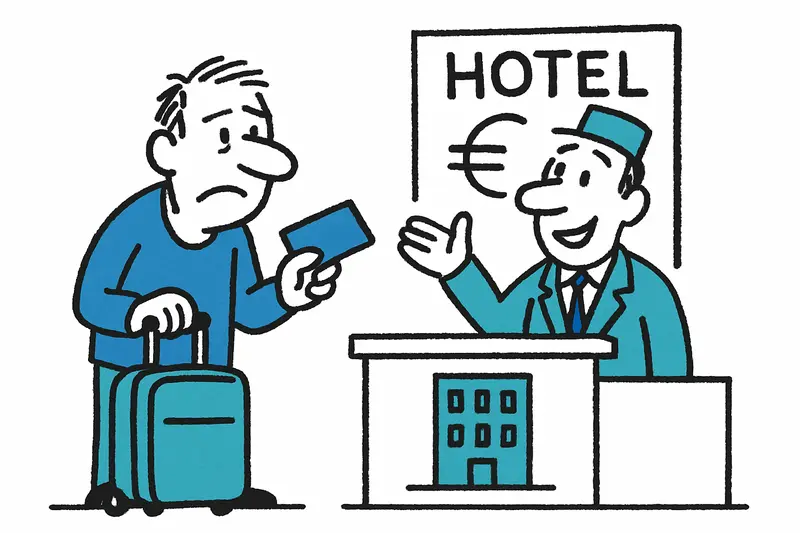
Autumn Holidays in Mallorca: Expensive Flights, Affordable Hotels – How Does That Fit Together?
Airline tickets hit the autumn holiday budget much more than hotel costs. Why that is, which levers travelers have and how families should calculate — a view from Palma airport into practical reality.
Flight price versus room price: the surprising imbalance
At Palma airport these days you hear more stressed voices than sun umbrellas: suitcases rolling across the terminal floor, gate announcements, and somewhere a coffee cup clinking; for official details see AENA Palma airport information. The question I keep encountering here lately is: Why does a round-trip flight to Mallorca often cost more than a week in a four-star hotel — see the Mallorca-Magic report on autumn vacations where flights pressure budgets?
Short answer: Because demand, capacity and airlines' price management come together — while hotels lower their rates in the low season to fill beds. At first glance the math does not add up for many travelers.
Concrete numbers and the feeling at the gate
Those flying from Munich in the first week of November often see round-trip fares between €300 and €400. Similar amounts are quoted from Stuttgart; Berlin offers vary between €300 and €600, depending on the week. Hamburg and the Rhineland typically report departures from €300–€400. At the same time, hotels: family or double rooms in many four-star properties are still available for around €1,000 per week, while all-inclusive packages often start at €1,500.
Why that is – aspects that are less discussed
The public debate often stays at "supply and demand." That's true, but there are finer causes that are hardly visible:
1. Capacity bottlenecks and fleet policy: Outside the high season airlines often reduce the number of aircraft deployed or consolidate planes on routes. Fewer flights mean fewer seats and higher prices.
2. Personnel and deployment planning: Pilot and crew rostering determines how flexibly airlines can react. A few missing crew members can quickly lead to costly re-planning.
3. Price dynamics: Revenue management sets prices so that the last seats generate especially high yields. Weekend departures, school holiday calendars and families' search behavior are taken into account.
4. Hotels as flexible businesses: Many hotels keep pools, restaurants and staff in place in autumn. Instead of demanding high prices they lower rates to secure occupancy — which is why they often offer better deals than in summer; this is not universal, as some hoteliers have increased off-season rates, see the report that Mallorca's hoteliers have been raising prices off-season.
Practical and less obvious money-saving tips
Good news: there are more levers than just hoping for a last-minute deal. Some concrete approaches:
Flexibility with travel dates: Flying one day earlier or later can save hundreds of euros. Many flights are cheaper on Tuesdays or Wednesdays than on Fridays, as shown by Skyscanner's analysis of cheapest days to fly.
Check alternative airports: Offers from Munich, Stuttgart, Berlin vary greatly. Sometimes it's worth departing from an airport with less holiday traffic — even if the drive is longer.
Carry-on instead of checked baggage: The classic trick works: save €30–€60 per leg; for families this quickly multiplies on the return trip.
Split-ticketing and stopovers: Two separate tickets instead of a direct flight can be cheaper. Warning: check connection times and baggage rules.
Compare package deals: Sometimes flight+hotel is cheaper than booking separately — especially when hotels offer cheaper allotments within packages.
Price alerts and watching: Those who check prices regularly two to three weeks before travel recognize patterns and catch cheaper windows.
Especially for families: total balance instead of single prices
Parents should not only look at the flight price per person, but at the entire travel calculation: a more expensive hotel with half-board or all-inclusive can mean lower food costs and less stress. In the evening in Port d'Alcúdia, a restaurant can quickly cost a family more than the difference in the flight price. Also consider the analysis of rising cost of living in Mallorca when budgeting for food, hotels and activities.
What Mallorca could do — and what travelers can influence themselves
At the municipal level, measures that extend the season help: more events in autumn, improved public transport links to beaches like Playa de Muro, or activities in small towns like Capdepera. That makes the island more predictable for providers and can, in the medium term, distribute demand more evenly.
For travelers the rule is: plan instead of panic. With flexibility, smart comparisons and a sense of proportion when choosing a hotel, an autumn holiday in Mallorca can be affordable and relaxed — the sun often still shines, the water is friendly, and the evenings are long enough to sit in a café in Santa Catalina and listen to the tram bell.
Conclusion: Anyone planning to go to Mallorca this autumn should watch the flight budget in particular. Hotels are currently less of a cost driver — but that's also where opportunities for a more relaxed holiday and better deals lie, if you invest a little time in your search.
Frequently asked questions
Why are flights to Mallorca often more expensive than hotels in autumn?
Is autumn a good time to visit Mallorca for cheaper holidays?
How can I save money on flights to Mallorca?
Are package holidays to Mallorca cheaper than booking separately?
What should families budget for a Mallorca holiday in autumn?
What is Palma airport like in the autumn travel season?
Are hotels in Port d'Alcúdia still good value in autumn?
What can I do in Mallorca in autumn if I want more than a beach holiday?
Similar News
Near-miss on Lanzarote: Landing Ryanair Jet and Iberia Takeoff — what really went wrong
On Lanzarote there was a dangerous incident: A Ryanair flight (FR5910) from Dublin landed on runway 03 while an Iberia E...

Eurowings introduces new Premium Business seats on Mallorca routes
From December 1, selected Eurowings flights to Palma and other destinations will feature eight particularly generous sea...

Car on MA-13 near Inca in flames – a safety check for the island
A vehicle caught fire on the MA-13 towards Alcúdia on Tuesday afternoon. The driver was uninjured, the car was destroyed...

Real Estate in Mallorca: Fewer Buyers, Higher Prices — What's Behind It?
Sales on Mallorca are falling, yet prices continue to climb. Why fewer transactions do not equal relief — and what shoul...
Just Bought — Already Trouble: Water Damage in the Heiters' Villa and What Owners in Mallorca Should Know Now
A newly purchased sea-view property — and within days a water damage. What risks lurk in new properties in Mallorca, and...
More to explore
Discover more interesting content

Can Cap de Bou

Townhouse Lleo 72
