
When the Off-Season Gets Expensive: Why Mallorca's Hoteliers Keep Raising Prices
When the Off-Season Gets Expensive: Why Mallorca's Hoteliers Keep Raising Prices
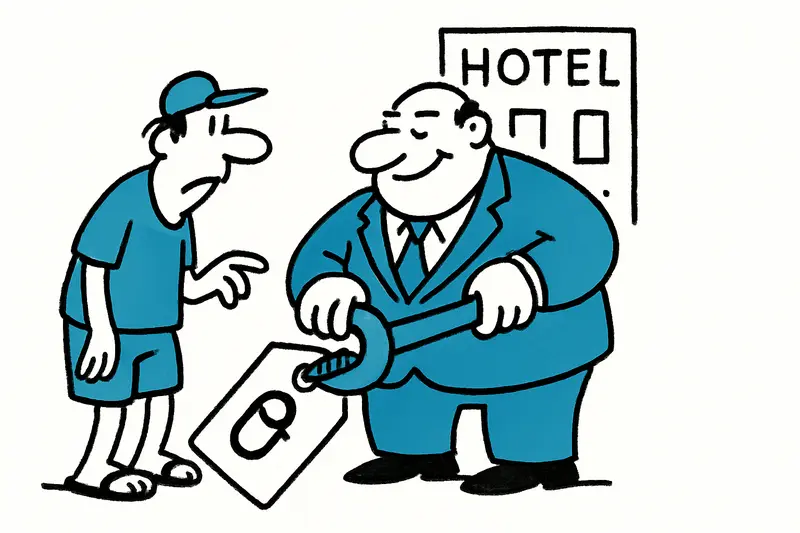
Mallorca's hotel industry reports robust demand even outside the main season — and is using that to increase prices. We examine the figures from the industry study, ask who benefits, what is missing from the debate, and which measures could actually relieve the island.
When the Off-Season Gets Expensive: Why Mallorca's Hoteliers Keep Raising Prices
Key question: How justified are the surcharges at a time when locals are suffering from rising living and housing costs?
On Passeig del Born the air in the morning smells of fresh coffee, taxi drivers argue about shift schedules, and at the harbor a new hotel construction repeatedly draws sighs. Into this scene fits a sober figure: the industry reports hotel occupancy of around 85 percent for September and October — one percentage point higher than the previous year. At the same time, revenue per available room (RevPAR) rose to about €118, and the average daily rate (ADR) is just under €140, each up compared with 2024, as reported in Hoteliers See Room for Price Increases – Who Will Foot the Bill in Mallorca?.
These numbers come from a market analysis by the Spanish hotel association CEHAT, prepared in cooperation with a major consulting firm. The bottom line: demand is present, flight connections are good, and the macroeconomic environment leaves room for opportunities — so optimism in the sector is growing. For some businesses the simple equation follows: limited supply, stable demand = higher prices, also outside the high season, a trend echoed in Hoteliers Expect Further Price Increases — What It Means for Mallorca.
A critical reading must, however, ask: who really benefits from these surcharges? In the short term, rising rates fill coffers and apparently ease investment and financing plans for hotel operators. In the long term, however, sustained price increases can endanger the island's image as an attractively priced destination and shift the balance between tourism value creation and residents' quality of life.
What is striking in the public debate is the missing perspective of those who benefit less: seasonal workers, employees in gastronomy and housekeeping, families with low incomes. Industry figures show good occupancy, but not automatically better wages or affordable housing. CEHAT itself points out that scarce housing makes staff recruitment more difficult and therefore calls for stronger engagement in building affordable homes. Nevertheless, it remains unclear how price increases in the hotel sector should concretely translate into better working conditions.
Another shortcoming: the analysis focuses on aggregated indicators — occupancy, average prices, booking pace — but says little about regional distortions. On the island we see demand peaks in Palma and in certain coastal resorts, while smaller municipalities live a different reality. Differentiated monitoring would help: local occupancy data, average employment durations, share of fixed-term contracts and actual wages paid.
So what to do? Concrete proposals, not wishful thinking but pragmatic measures:
1) Promote price transparency: An open dashboard with ADR and occupancy data by municipality would make market shifts visible and create pressure for fair practices.
2) Use the tourism levy in a targeted way: If the eco-tax is actually collected, revenues should be earmarked for affordable housing and training — not disappear into the general budget.
3) Promote staff housing: Municipalities could offer lease models for hotel employees, provide vacant land under favorable conditions, or create tax incentives for hotels to build staff accommodation.
4) Dampen seasonality: Promote town twinning, conferences and off-season events, and coordinate flight incentives for quieter months — this smooths demand and reduces the justification for steep price surcharges.
5) Industry code of conduct for pricing: A voluntary commitment that limits excessive surcharges in the off-season and focuses on incentives for longer stays could serve the island's image.
On the street you can feel the consequences: a cleaner in Palma who takes the tram early in the morning talks of issues discussed in Rising Cost of Living in Mallorca: Who Pays the Price?; a taxi driver calculates whether he will meet fewer budget-conscious tourists in the future. These are not abstract figures — this is everyday life on the island.
In the end the question must be allowed: can an island at the same time permit price adjustments at the top of the market and preserve social cohesion? The industry's figures currently give hoteliers cover. But profitability metrics alone are no substitute for a policy that integrates housing, working conditions and tourism diversity.
Conclusion: Solid occupancy and price indicators explain the current behavior of many hotels — they do not justify it unconditionally. Those who make the off-season more expensive should also ensure that the benefits of price developments reach not only balance sheets but everyday life on the island.
Frequently asked questions
Why are hotel prices in Mallorca still rising in the off-season?
Is Mallorca still an affordable destination outside summer?
What do hotel price increases in Mallorca mean for residents?
How do hotel prices affect workers in Mallorca's tourism sector?
What do occupancy and ADR mean for Mallorca hotels?
Why does Palma seem to face higher hotel prices than other parts of Mallorca?
What could help reduce off-season price pressure in Mallorca?
When is the best time to book a hotel in Mallorca if prices keep rising?
Similar News

From Ballermann to Prison: What the Verdict Against the Femina Operator Means for Palma
The Munich Regional Court convicted a German operator for subsidy fraud. What does the verdict mean for the Femina Club,...
Underpass Verge de Lluc: 19-year-old fights her way out of flooded car – a warning sign for Palma
A 19-year-old recently escaped swimming from her car after the Verge de Lluc underpass held up to one and a half meters ...

When the Floodgates Open Again: Why Palma's Floods Aren't a Coincidence
A sudden heavy downpour around 5 p.m. brought Palma to a standstill: flooded streets, full basements, panicked commuters...
Playa de Palma: Life-saving at Balneario 11 – Lifeguards Act Quickly
A German holidaymaker suffered cardiac arrest at Playa de Palma. Lifeguards resuscitated her on the beach; emergency ser...

Dizziness at the Wheel: When the Access Road to Sa Calobra Becomes a Nightmare
A trip to the gorge of Sa Calobra ended in panic for a holidaymaker: not the sea, but the hairpin roads of the Tramuntan...
More to explore
Discover more interesting content

Can Cap de Bou

Townhouse Lleo 72
