
Hoteliers Expect Further Price Increases — What It Means for Mallorca
Hoteliers Expect Further Price Increases — What It Means for Mallorca
The hotel industry expects stable demand from December to May and sees room to raise rates. A reality check: Who will face higher travel costs — and what can municipalities do?
Hoteliers Expect Further Price Increases — What It Means for Mallorca
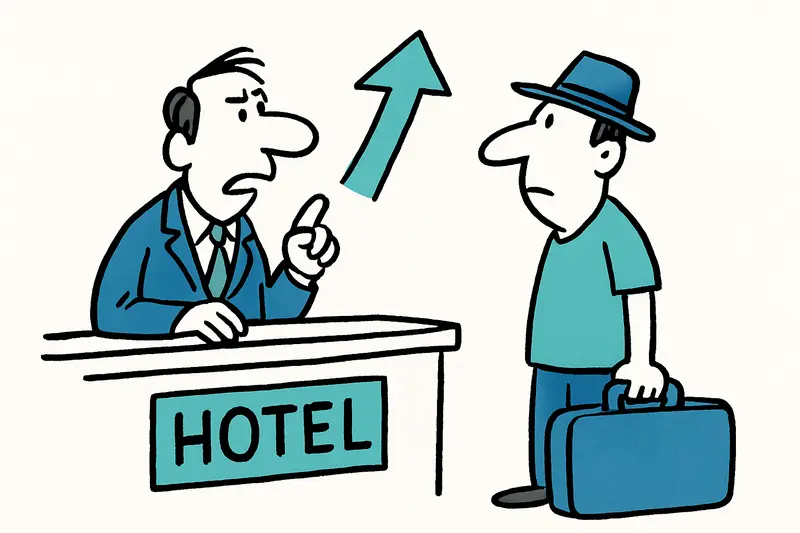
Key question: Why do hotels think it's time to turn the pricing screw once more — and who ultimately pays the surcharge?
The hotel association CEHAT reports that demand in the Balearics is expected to remain stable from December to May and that occupancy could be at last year's level, as reported in Hoteliers See Room for Price Increases – Who Will Foot the Bill in Mallorca?. In the autumn months occupancy rates were even around 85 percent — better than the year before. For many businesses this is a signal: if the rooms are going to be booked anyway, rates can be raised, a trend examined in When the Off-Season Gets Expensive: Why Mallorca's Hoteliers Keep Raising Prices. Purely from a business perspective. But economic logic is not the same as everyday life on the island.
Critical analysis
The industry's logic is simple: demand stable, supply limited, so prices high. That holds, but the calculation is incomplete. High prices affect not only package tourists in winter. Long-term guests, tradespeople, seasonal workers and residents feel the side effects: more expensive short stays mean less demand for ancillary services — restaurant visits, excursions, rental car bookings. A hotel industry that maximizes its profits at the expense of local consumer demand risks weakening the domestic market.
Moreover, it remains unclear how strongly hoteliers offset rising operating costs — energy, staff, levies — against profits (see Rising Cost of Living in Mallorca: Who Pays the Price?). If price increases are used solely as profit boosters instead of addressing real cost pressures (renovations, energy efficiency), then this is less an adjustment and more a redistribution at the expense of guests and neighbors.
What is missing from the public debate
The debate often focuses on percentage figures for occupancy and headlines about record nights. Less visible is the transparency of price formation. How much goes to operating costs, how much is pure margin? What role does the distribution between large chains and small family hotels play? Equally missing from the discussion is how municipal budgets benefit from higher hotel prices — and whether those funds are specifically reinvested in infrastructure, social housing or noise protection.
Everyday scene from Palma
On the Passeig Marítim the wind rustles through the palms, taxi drivers pause briefly at the harbor entrance, guests with suitcases look for the way to their hotel. At the bar of a small hotel on Avinguda Gabriel Roca the waitress notices: fewer regular guests, but more day visitors looking for cheap deals. This scene shows: hotel pricing policies change the local day economy — not just balance sheets in executive offices.
Concrete solutions
1) Transparency requirement for surcharges: Municipalities could require larger hotels to submit semi-annual reports — showing how room prices are composed and what investments exist.
2) Dynamic tourist fees: Instead of flat bed taxes, municipalities could introduce a tiered system based on occupancy — during high-occupancy periods more flows into sustainable infrastructure and employment programs.
3) Support for seasonal workers: Hotels and municipalities should jointly consider subsidies for housing in the off-season. Cheaper housing reduces wage pressure and prevents staff shortages, which in turn create upward pressure on prices.
4) Promotion of off-season offers outside large hotels: Subsidies for cultural and gastronomy projects in small towns create alternative attractions for visitors and reduce dependence on hotel occupancy.
5) Certification of fair pricing: A local quality label could recognize hotels that demonstrate transparent, sustainable pricing models and investments in the community.
Conclusion — to the point
When hoteliers say demand is stable and prices could rise, that's not a law of nature. It's an economic decision with consequences for jobs, local businesses and quality of life in cities like Palma and seaside resorts along Playa de Palma. Local policymakers should not just watch, but set rules that balance profits and the common good. Otherwise, in the end there will only be the street with the suitcases and the noise of generated profits — and little left for many residents.
The island can bear higher hotel prices. Whether it needs them is the real question.
Frequently asked questions
Why are hotel prices in Mallorca expected to rise again?
Is Mallorca still a good destination in the off-season if hotel prices keep going up?
How do higher hotel prices in Mallorca affect local businesses?
What does rising hotel demand mean for residents in Mallorca?
Are hotel prices in Palma usually linked to occupancy levels?
What is happening with hotel prices along Playa de Palma?
Should Mallorca introduce more transparency around hotel price increases?
What solutions are being discussed for high hotel prices in Mallorca?
Similar News

After Being Admitted to Hospital Again: Heinz Hoenig and the Questions We Should Ask in Mallorca
Long-time Mallorca resident Heinz Hoenig was admitted to hospital again. A clear “what next?” is missing from the covera...
Yellow Alert: Is Mallorca Prepared for the Next Rain Band?
Aemet has issued a yellow alert for the south, southwest and the island's interior. Thunderstorms and heavy rain are for...
Kegel brothers trial postponed: Why Mallorca must wait for a verdict
The trial of 13 German holidaymakers will not begin until May 2028. The long wait raises questions — for victims, defend...

Chaos on Palma's Runway: Why the Summer at the Airport Was So Disrupted
This summer laid bare where Palma airport is faltering: only just over half of departures were on time and seven percent...

Cocaine Offer on Ham Street: Why the Open Trade Should Ring Alarm Bells
In the middle of Pare Bartomeu Salvà a tourist was offered a packet of cocaine as part of a sunglasses deal. A short int...
More to explore
Discover more interesting content

Can Cap de Bou

Townhouse Lleo 72
