
Why so many Porsches are suddenly visible on Mallorca's roads
Why so many Porsches are suddenly visible on Mallorca's roads
A Stuttgart automaker has booked the Hipotels Playa de Palma Palace for weeks: training, test drives and workshops bring plenty of business to hotels, garages and restaurants in winter — and present the island as a proving ground for electric mobility.
Why so many Porsches are suddenly visible on Mallorca's roads
A hotel on Playa de Palma serves for months as a training and presentation site
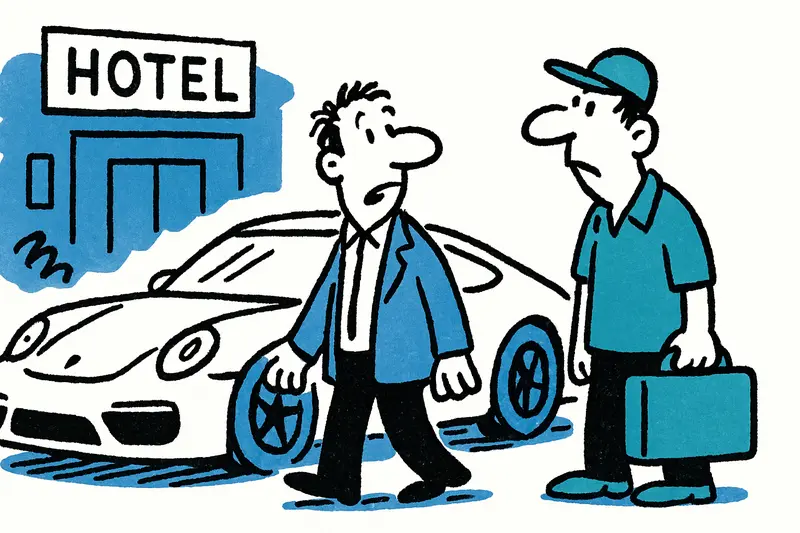
A cool sea breeze is blowing along the Playa right now, seagulls cry over the promenade and unmistakably many cars with Stuttgart license plates are parked in the bays. Anyone who has passed the Hipotels Playa de Palma Palace in recent weeks could see the scene: electric SUVs are parked in front of the congress centre, staff carry training materials into the hotel, and there is lively coming and going at the doors. Such concentration of vehicles is part of broader discussions about vehicle fleets on the islands, covered in Too Many Old Cars in Mallorca: Why the Problem Runs Deeper Than the Exhaust.
The reason is less a holiday bustle than a work assignment: a German automaker has largely booked the five-star hotel for about two months. Around 227 rooms are reserved for employees and contracted partners; the groups change in waves of two to four days, so that hundreds of specialists from numerous European branches arrive on the island gradually.
The programme includes technical seminars in the congress centre, practical briefings and test drives on real roads — for example along the coastal road or over the hairpins of the Serra de Tramuntana. This gives sales consultants, service technicians and managers the chance to get to know the new fully electric model under Mediterranean conditions: inclines, coastal winds and changing driving behaviour provide a different test than an indoor test rig. Similar car-focused attractions have put local infrastructure under the spotlight, as discussed in Motorworld Mallorca: Between Glamour and Growing Pains — A Site Put to the Test.
The new model is already available to order; price ranges start in the six-figure area. The technical details are particularly in focus: an 800-volt architecture, very fast charging times (according to the manufacturer a charge from ten to eighty percent can take about 15 minutes) and a new digital user interface. Such events often also feature pre-series vehicles, disguised or in special configurations that dealers will only receive later.
For Mallorca this is not a side show: hotels, chauffeurs, catering companies, petrol stations with charging infrastructure, workshops and even laundries benefit from bookings in the otherwise quieter season. An extended winter season business fills gaps along the paseo, in bars and restaurants between the usual tourist flows. Local suppliers and event service providers take over workshops and driving logistics — this brings direct income and creates temporary work.
In addition, the island positions itself as a practical showcase for electric mobility: mild winter temperatures, varied routes and good hotel infrastructure allow manufacturers to demonstrate real driving conditions. This increases Mallorca's visibility in professional circles and can attract future business appointments. Anyone who has tested a vehicle here once is more likely to think of Mallorca for future presentations than of grey exhibition halls.
Nearby you can hear the hissing of tyres, the clink of a coffee spoon on a terrace and the occasional beep of a charging station — small everyday scenes that signal the island has economic activity even outside the high tourist season. The booking of a house like the Hipotels shows: there is demand for large-scale training formats that can occupy hotels for months. Seasonal events that bring many sporty vehicles are another factor, see 550 Challenge in Mallorca: A Treat for Petrolheads, a Burden on Everyday Life.
Looking ahead: such events can serve as an impulse to further expand charging infrastructure and develop more tailored offers for business events. Hoteliers could put together special packages for automakers, workshops could offer regional training spaces, and municipalities could be more easily won over for temporary test zones. For people here this mainly means one thing: additional work in the quieter months and a bit more traffic on roads many locals like to use for leisurely drives.
In the end there is no loud trade fair stand, but a quiet business that fills Mallorca in the winter months. The many Porsches in front of the Playa are less show than a sign that the island has become an experienced, welcoming training ground for manufacturers — and you can feel that in the alleys from Palma to the coast.
Frequently asked questions
Why are there so many Porsche cars in Mallorca right now?
What makes Mallorca a good place for car test drives?
What is happening at Playa de Palma with the Porsche hotel booking?
How does a car event in Mallorca benefit local businesses?
Is Mallorca being used more for electric car events now?
What kind of roads do car makers use for testing in Mallorca?
Do events like this affect winter traffic in Mallorca?
Why do manufacturers choose Mallorca instead of a trade fair for new car launches?
Similar News

More water than last year: Mallorca's reservoirs breathe easier
September rain refilled the Tramuntana's reserves: overall fill around 35 percent, Cúber at 40.42 percent, Gorg Blau at ...
Three Luxury Hotels in Banyalbufar: Lots of Money, Many Questions
A Danish investor plans three exclusive accommodations in Banyalbufar — including the historic Son Valentí. The announce...
2.1 tonnes of cocaine on sailing yacht off Spain's coast – a reality check for the coastguard
A 14-metre yacht was seized with 2.1 tonnes of cocaine. Who monitors the ports, how does the international hunt succeed ...

Heat Bonus in Mallorca: 100 Euros Extra for Outdoor Staff at MarSenses
MarSenses pays employees who worked outdoors in August an extra €100 as recognition. Lighter uniforms, reduced hours for...
Renovating in Mallorca: What You Really Can Do Without Neighbour Consent
Many think they can do whatever they want in their apartment. That's partly true — but only as long as structural elemen...
More to explore
Discover more interesting content

Can Cap de Bou

Townhouse Lleo 72
