
Sent to Prison Immediately After Palma Landing: What Are Airport Checks Really For?
Sent to Prison Immediately After Palma Landing: What Are Airport Checks Really For?
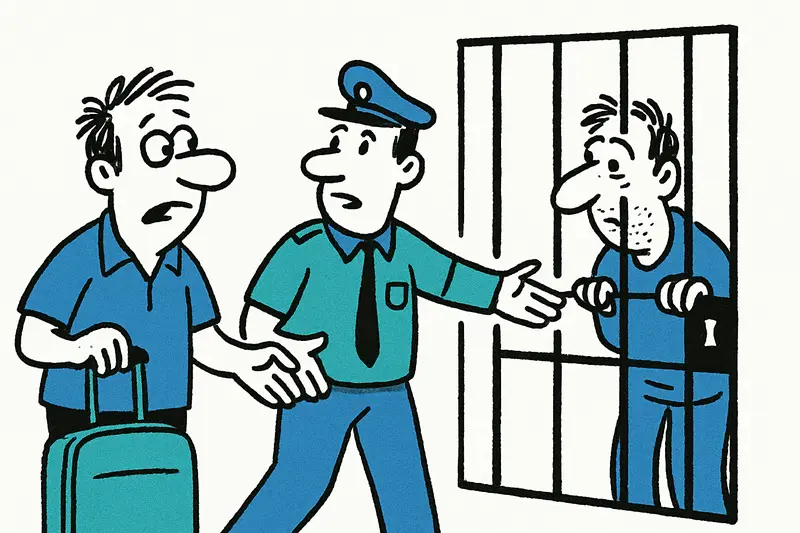
A 40-year-old Spaniard was arrested at Karlsruhe/Baden-Baden Airport on April 24 after landing from Palma due to an outstanding arrest warrant and must serve 30 days in prison. The case raises questions about proportionality and the practice of European checks.
Sent to Prison Immediately After Palma Landing: What Are Airport Checks Really For?
Key question: Can we still find a balance in Europe between free movement and targeted manhunts – or are people being held tightly by bureaucracy?
On Friday, April 24, a 40-year-old man arriving from Palma de Mallorca at Karlsruhe/Baden-Baden Airport was checked by federal police officers. Authorities discovered an outstanding arrest warrant for fraud. Since the required fine could not be paid, the man began serving a 30-day prison sentence. The Offenburg Federal Police Inspectorate cited the case as an example that intra-European flights are not automatically "control-free" (Handcuffed Straight from Palma: Cross‑Border Manhunts, Mistakes and Mallorca's Image).
Such reports trigger different mental images among travelers: some think of security, others of arbitrary severity. In Mallorca, on Passeig Mallorca or in the café in front of the Son Sant Joan hotel (Emergency Landing at Son Sant Joan: Questions Over Arrests and Procedures), you increasingly hear: It's good that investigators are working — but do people really need to go to jail for unpaid fines?
Critical analysis: The case exposes several problem areas. First: Anyone with an arrest warrant risks being arrested immediately during a routine check. That is intended. Second: The decision to impose substitute imprisonment because someone cannot pay a fine raises questions of proportionality. It makes a difference whether someone repeatedly ignores obligations to present themselves or simply lacks the means to pay. Third: The practice of spot checks at airports is necessary to catch wanted criminals (Accidentally Detained: When a Wrong Turn After Returning from Mallorca Becomes Costly). But it is also an instrument that can have social consequences — especially for people in precarious situations.
What is missing in public discourse: transparency. Statistics on how often arrest warrants for unpaid fines lead to arrests at airports are hardly available. Information is also lacking on whether alternatives were considered before imprisonment — installment plans, social benefits to settle the fine, or community service. Equally rarely discussed is how well judicial authorities within the EU exchange information without luring affected people into legal traps.
Everyday scene from Mallorca: One morning at Plaça Espanya, the garbage truck rumbles, two taxis honk, a woman with a shopping bag looks at her phone and says: "I travel all the time. If suddenly an old warrant appears, everything stops." Scenes like this show that mobility is part of daily life for many islanders — and they report paperwork piling up over years.
Concrete solutions: First: More data transparency between courts and police authorities, but with clear rules on when to intervene. Not every outstanding euro must immediately lead to imprisonment. Second: Federal states and countries within the EU should expand binding alternatives to substitute imprisonment — graduated installment plans, facilitation of social assistance, community service. Third: Possible humanitarian reasons should be checked before an arrest; this could be done via a brief query to the competent court. Fourth: Airport checks are important; however, they must be combined with a case assessment that reduces social hardship.
A practical proposal from Mallorca: Courts could routinely initiate a payment review when an arrest warrant is more than one year old and the amount is below a certain threshold. That would be a bureaucratic step that would spare many people unnecessary imprisonment without weakening law enforcement.
Pointed conclusion: Of course investigations and punishment are necessary, but punishment must not automatically criminalize poverty. People flying from the island to Germany should not run the risk of being jailed for old debts without any room for discretion. Checks make sense, but we need more restraint — otherwise law enforcement becomes a reflex that misses the human point.
Frequently asked questions
Can you be arrested at Palma airport because of an old warrant?
What are airport checks in Mallorca actually for?
Can unpaid fines in Germany or Spain lead to prison after a Mallorca flight?
Are flights from Mallorca to mainland Europe control-free?
What should I do if I think I have an old warrant before flying from Mallorca?
Why do some people think airport arrests in Mallorca are too harsh?
What alternatives to prison are discussed for unpaid fines in Mallorca cases?
Why is transparency about airport checks in Mallorca being discussed?
Similar News
Ancient Piece Brought to Light: Guardia Civil Recovers Roman Anchor Fragment off North Coast of Mallorca
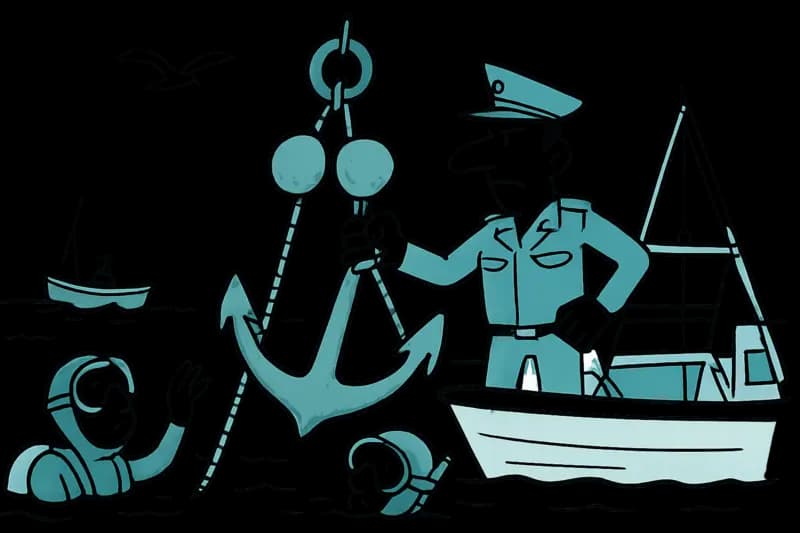
Divers from the Guardia Civil recovered a massive iron piece from Roman times off Mallorca's north coast. The roughly 35...

Who Benefits from the Half‑Hourly Flight on the Edge? Aena, Investments and the Island's Interests
Almost one billion euros is flowing into Son Sant Joan. The figures show the scale of investment and expected beneficiar...
Are the Balearic Islands the Southern Border of Europe? A Reality Check on Immigration
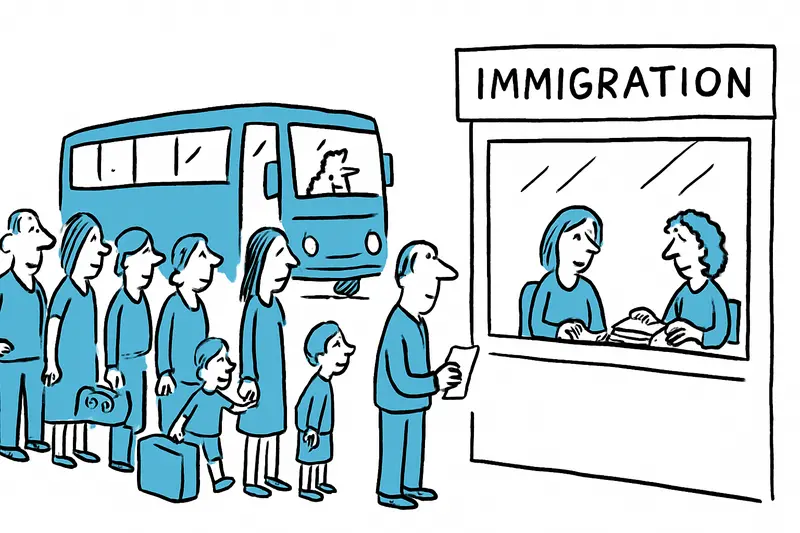
The Balearic Islands are again calling for EU aid after a sharp rise in arrivals by sea. Conflicting priorities between ...

"Expensive chaos" and many open questions: What clients can do when a lawyer suddenly stops responding
Several clients complain that a well-known German lawyer in Mallorca has been unreachable for months. Key question: What...

TV tip: 'The Last Problem' — Mallorca as the setting of a classic crime
A classic whodunit on Mallorca: A new miniseries set in spring 1959 brings storm, an isolated hotel and a dense web of s...
More to explore
Discover more interesting content

Can Cap de Bou

Townhouse Lleo 72
