
Reality Check: The Documentary on Playa de Palma and the Difficult Management of Alcohol
Reality Check: The Documentary on Playa de Palma and the Difficult Management of Alcohol
A recent TV documentary shows everyday life at Playa de Palma after the 2024 alcohol bans. What specifically has changed, where gaps remain, and which solutions make sense.
Reality Check: The Documentary on Playa de Palma and the Difficult Management of Alcohol
A new TV documentary, available in a media library, follows Playa de Palma in late summer 2024 – precisely after the introduction of tougher rules against public drinking and the nighttime sales ban on canned beer and similar products. The film brings together insights from police patrols and voices from kiosk owners, hosts and residents, and concerns about safety are discussed in Ballermann in Focus: How safe is Playa de Palma really?. What appears on screen like a situational picture poses a simple question for the island: Have the rules reduced the problem or merely shifted it?
Key question
How do bans and closing times change behavior at Playa de Palma – and what remains unaddressed?
Critical analysis
The 2024 laws make it clear: public alcohol consumption on the beach and promenade is prohibited, violations can be punished with fines between 500 and 1,500 euros, and sales outlets must remove alcoholic goods from their offerings by 21:30 at the latest. On paper this looks like a clear signal. In practice, the documentary shows two things: first, rules have an effect where they are consistently enforced. Second, enforcement pressure creates displacement effects. If sales stop at 21:30, groups shift to drinking earlier, seek private spaces, or consume more later in clubs and bars.
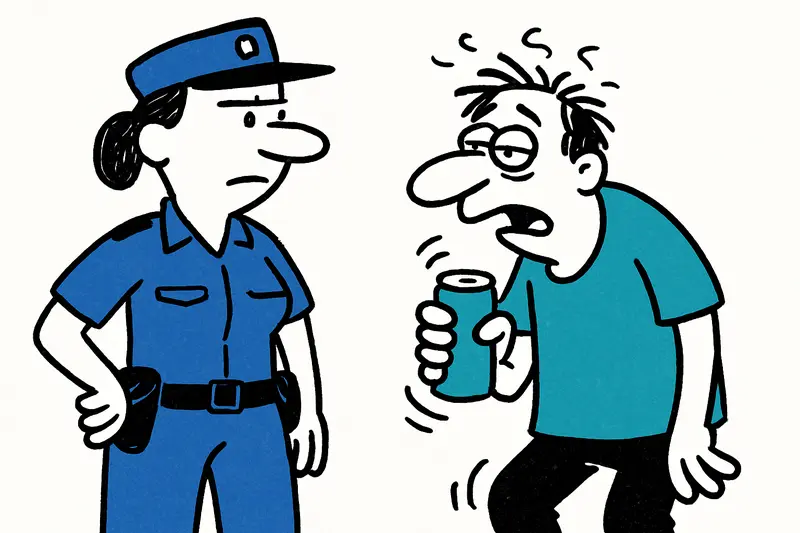
The presence of a German-speaking policewoman patrolling as part of a cooperation with Spanish forces makes visible how important communication and cross-border cooperation are, and incidents during controls have been reported in Tumults at Playa de Palma: When Controls Threaten the Beach Scene. At the same time, the question remains how sustainable measures are that rely heavily on sanctions: fines affect tourists and locals differently – for some a fine is financially devastating, for others merely an annoyance.
What is missing in the public discourse
The debate is often limited to two poles: protection of residents versus the freedoms of partygoers, a tension explored in Ballermann Between Ecstasy and Reality: More Than Beer and Schlager Music?. The documentary shows voices, but hard numbers are missing. How have hospital admissions, noise complaints, littering or business revenues changed since the rules? Is there displacement to neighboring towns or into the private sector? And: how do effects differ between daytime and nighttime? Without transparent data much remains speculation – and steering measures remain blind.
An everyday scene
On a late August evening I walk along the promenade, between Balneario 7 and Balneario 5. The so-called “Beer Street” smells of frying oil and sunscreen, voices grow louder, a vendor packs the last bags of chips. Around 21:15 the owners begin to clear cans from the counter – not because the guests are leaving, but because the clock demands it. Some tourists move on, others gather at doorways. The scene smells of transition: less overt partying, more scattered aftermath.
Concrete solutions
Bans alone are too short-sighted. The documentary suggests that combined measures could work better: publish transparent evaluation data so politicians and the public know whether rules are effective; targeted prevention work in multiple languages for visitors and service staff; clear, uniform waste and bottle disposal points along the promenade; graduated sanctions linked to education offers instead of immediately high fines; and strengthening legal, controlled meeting spaces with moderated, alcohol-free options.
There also needs to be support for micro-entrepreneurs on the Playa: replacement concepts that cushion revenue losses (e.g., alcohol-free event times, sale of non-alcoholic specialties), and training for responsible serving in bars.
Concise conclusion
The documentary provides important close-up views: it shows how a piece of island culture has been affected by regulation. It also becomes clear: without data, without alternatives and without dialogue, bans risk shifting symptoms instead of addressing causes. Those who want peace for residents while protecting jobs and atmosphere for businesses must do more than enact rules – they must plan with numbers, incentives and realistic alternatives.
On the promenade this means concretely: not just switching service off at 21:30, but alongside enforcement also explaining, offering and thinking things through. Otherwise in the end there will only be a quiet space – and the loud problems waiting around the next corner.
Frequently asked questions
What are the alcohol rules at Playa de Palma in Mallorca?
Do alcohol bans in Mallorca actually reduce party problems?
Can you still drink on the beach at Playa de Palma?
What time do kiosks and shops stop selling alcohol in Playa de Palma?
Why do alcohol rules in Mallorca sometimes just move the problem?
What does the documentary on Playa de Palma show about nightlife in Mallorca?
What issues are still not properly measured at Playa de Palma in Mallorca?
What alternatives could help reduce alcohol problems in Mallorca without only relying on fines?
Similar News
Ancient Piece Brought to Light: Guardia Civil Recovers Roman Anchor Fragment off North Coast of Mallorca
Divers from the Guardia Civil recovered a massive iron piece from Roman times off Mallorca's north coast. The roughly 35...

Who Benefits from the Half‑Hourly Flight on the Edge? Aena, Investments and the Island's Interests
Almost one billion euros is flowing into Son Sant Joan. The figures show the scale of investment and expected beneficiar...

Are the Balearic Islands the Southern Border of Europe? A Reality Check on Immigration
The Balearic Islands are again calling for EU aid after a sharp rise in arrivals by sea. Conflicting priorities between ...

"Expensive chaos" and many open questions: What clients can do when a lawyer suddenly stops responding
Several clients complain that a well-known German lawyer in Mallorca has been unreachable for months. Key question: What...

TV tip: 'The Last Problem' — Mallorca as the setting of a classic crime
A classic whodunit on Mallorca: A new miniseries set in spring 1959 brings storm, an isolated hotel and a dense web of s...
More to explore
Discover more interesting content

Can Cap de Bou

Townhouse Lleo 72
