
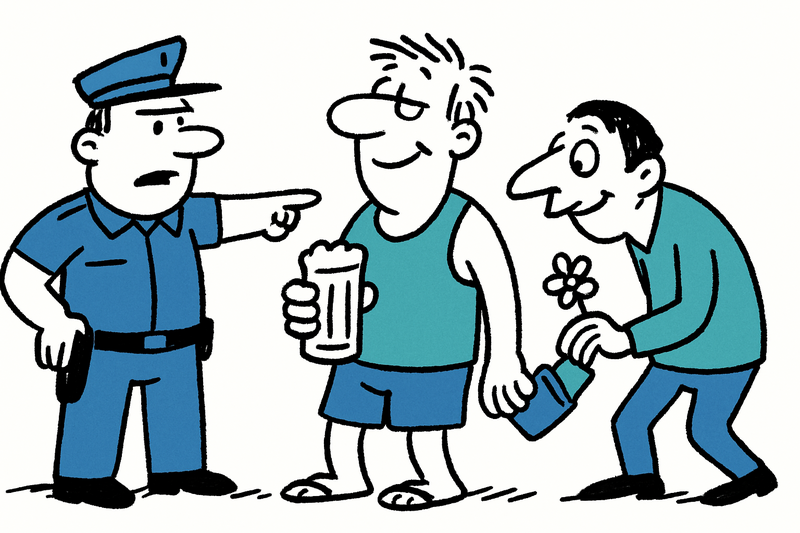
Ballermann in Focus: How safe is Playa de Palma really?
Between sangría, loud music and sun loungers: visitors to Playa de Palma often wonder how safe Ballermann really is. We look not only at police presence, but at causes, blind spots and practical, actionable solutions.
Ballermann in Focus: How safe is Playa de Palma really?
When the sun beats down over Playa de Palma, the sound of the sea mixes with the clinking of ice cream cups and the calls of beach vendors. In this setting a simple but pressing question arises: Can you party carefree at Ballermann—or should you always expect a nagging feeling of unease? The head of the local station, Javier Santos, says: Yes, but with caution. What is often missing is a sober look at the causes, the blind spots in the debate and concrete, actionable solutions.
Daytime scene and nighttime risks
During the day sunbeds, families and the usual street vendors predominate. The majority of visitors are after sun, sand and a bit of atmosphere—not the headlines. Yet where alcohol lowers inhibitions, problems arise: pickpocketing, confidence tricks and isolated acts of violence that can ruin an evening. Serious crimes, Santos says, remain relatively rare compared to the number of visitors, but small offenses create a large feeling of insecurity. (See Playa de Palma at Night: Phone Tracking Catches Suspect — But What Does It Say About Our Safety?.)
What is missing in public debate
More police and security presence is important, but the debate often reduces to that. Several structural factors act together: early serving hours in bars, language barriers between guests and vendors, and a labor market with many seasonal workers who do not always know the rules or work in precarious conditions. These factors create spaces for conflict that cannot be solved by repression alone. (See Police stop illegal beach parties at Ballermann 6 – a question of balance.)
The perpetrators' mechanics: distraction as a business model
Shell games, pushy "carnation sellers", feigned friendships at the beach bar – these are not isolated incidents but often systematically operating groups. Distraction is their key technique: a loud conversation, a falling tray, an apparently friendly "good-mood" contact. In the combination of alcohol, loud music and dusk, attention is often exhausted – perpetrators exploit this deliberately.
What visitors can do immediately
Do not leave valuables in plain sight: Phones or wallets visible on sunbeds or bar tables are an invitation. Small effort, big effect.
Protect PINs and ATMs: Cover the PIN entry, withdraw small amounts more often and use card payments or the hotel safe whenever possible.
Unobtrusive clothing and group agreements: Flashy jewelry is unnecessary on the beach. Those traveling with friends should agree on meeting points and avoid exploring unfamiliar alleys alone at night.
Stay out of the water at night: Dusk turns the water into an unsafe space: currents, poor visibility and no lifeguards are a dangerous combination.
For official guidance on staying safe while travelling in Spain, consult UK Foreign Office travel advice for Spain.
What politicians and hosts could do concretely
More foot patrols help, but are only part of the solution. Preventive measures would be more effective: multilingual signs at all beach entrances (Spanish, German, English), an information sheet at hotel check-in with rules of conduct, mandatory training for service staff on conflict prevention and de-escalation. Staggered closing times in particularly problematic nightlife zones could reduce peak pressure. Promoting easily accessible, affordable safes near the beach would also be practical — a simple protection for guests and a service offer for the industry.
A call to the community
Safety is not solely a police responsibility. Hosts, bar owners, beach vendors and visitors share responsibility. Friendly addressing instead of ignoring, clear house rules in venues and neighborhood vigilance often help more than additional cameras. What is needed is not a surveillance city, but informed, watchful people and a few well-placed prevention measures.
Playa de Palma remains loud, lively and a place of many small pleasures — the clinking of an ice cream cup, laughter from afar, the cries of seagulls. With targeted behavior changes, better information and political will, the feeling of safety can be significantly improved without killing the vibe. A little more attention from all of us is enough for Ballermann to remain Ballermann — just a bit safer. (See Ballermann Between Ecstasy and Reality: More Than Beer and Schlager Music?.)
Frequently asked questions
Is Playa de Palma safe for a night out in Mallorca?
What should I pack for a beach day at Playa de Palma?
Are pickpockets a problem in Ballermann and Playa de Palma?
Can you swim in Playa de Palma at night?
What are the safest areas and habits for a night out in Playa de Palma?
Why do safety problems in Playa de Palma often get worse at night?
What role do beach vendors play in safety concerns at Playa de Palma?
What can hotels in Playa de Palma do to help guests stay safe?
Similar News
After Being Admitted to Hospital Again: Heinz Hoenig and the Questions We Should Ask in Mallorca
Long-time Mallorca resident Heinz Hoenig was admitted to hospital again. A clear “what next?” is missing from the covera...
Yellow Alert: Is Mallorca Prepared for the Next Rain Band?
Aemet has issued a yellow alert for the south, southwest and the island's interior. Thunderstorms and heavy rain are for...
Kegel brothers trial postponed: Why Mallorca must wait for a verdict
The trial of 13 German holidaymakers will not begin until May 2028. The long wait raises questions — for victims, defend...
Chaos on Palma's Runway: Why the Summer at the Airport Was So Disrupted
This summer laid bare where Palma airport is faltering: only just over half of departures were on time and seven percent...
Cocaine Offer on Ham Street: Why the Open Trade Should Ring Alarm Bells
In the middle of Pare Bartomeu Salvà a tourist was offered a packet of cocaine as part of a sunglasses deal. A short int...
More to explore
Discover more interesting content

Can Cap de Bou

Townhouse Lleo 72
