
War, Kerosene, Consumers — Why Mallorca's Summer Season Is Not a Given
War, Kerosene, Consumers — Why Mallorca's Summer Season Is Not a Given
Key question: How vulnerable is Mallorca's tourism to geopolitical shocks and rising costs — and what needs to happen in the short term to ensure the island doesn't end up the loser?
War, Kerosene, Consumers — Why Mallorca's Summer Season Is Not a Given
Key question: How vulnerable is Mallorca's tourism to geopolitical shocks and rising costs — and what needs to happen in the short term to ensure the island doesn't end up the loser?
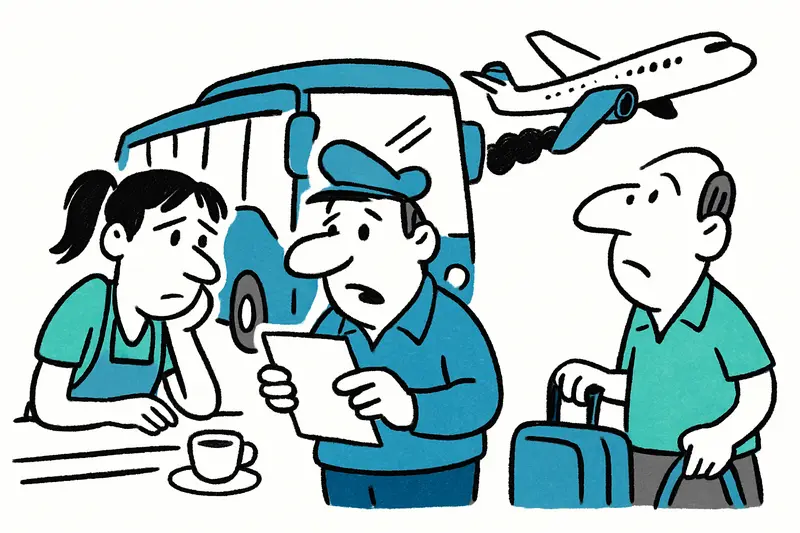
The uncertainty that has been spreading for weeks with reports about the clashes in the Gulf is palpable on the island. Not abstractly, but at the counter of a café on Passeig Mallorca, where a coach driver checks his bookings and a waitress asks: Are the Germans even coming this year? This is not panic, but a practical awakening. This is discussed in When the Germans Stay Away: Opportunity or Risk for Mallorca?.
Analysis: Geopolitical turbulence hits tourism not only through headlines. It shows up in kerosene bills, freight rates, insurance costs and the pricing of package deals. Airfares rise, shipping companies increase freight rates, hoteliers feel pressure from tour operators — and the result is cost pressure that propagates along the entire supply chain. When energy prices go up, the café owner in Portixol and the producer of local garden herbs in Ses Salines also end up paying more.
What is often missing from discussions at trade fairs like ITB and FITUR: the capacity to act of smaller players. Large groups can hedge prices or diversify markets. Many family-run hotels, car rental companies and boat operators cannot. This is precisely where breaks occur that devalue booking offers and create shortages — an effect that can slow the island economy's recovery, as highlighted in After Eleven Years at the Top: What Mallorca's Tourism Radar Really Needs to See.
In the public discourse there is currently a lack of honest debate about two things: first, how existential short-term costs for small businesses should be cushioned; second, how travel prices can be made more transparent for consumers so that price jumps are not perceived as purely speculative. Instead of buzzwords we need numbers and commitments: what share of surcharges is due to fuel, how much to insurance, how much to labor costs?
Everyday scene: On a gray morning at the fishing harbor the men from the small boats push the crates of freshly caught bonito onto the pier. A hotelier who is checking his books calculates silently: if the ferry becomes more expensive, the portion of paella in the beach restaurant will also get more expensive. The chain is short but sensitive.
Concrete approaches — short- and medium-term:
1. Crisis fund for small tourism businesses. A short-term relief fund, financed from a small share of the municipal tourist tax and regional contributions from the community fund, could specifically offset fuel or freight risks for businesses with limited reserves.
2. Transparency requirement for package deals. Tour operators and airlines should disclose fee components — this builds trust with guests and creates pressure against wild price jumps.
3. Bundling freight routes and negotiations with shipping companies. Municipalities and trade associations could negotiate group contracts to bundle freight volumes and thereby reduce indirect costs for restaurateurs and hotels.
4. Flexible capacity agreements with airlines. Short-term profitable codeshare or wet-lease arrangements can dampen capacity shortages without hoteliers bearing surge prices alone.
5. Promote year-round demand. Attractive, staggered offers for early and late season and cooperation with events in Palma or the Tramuntana can reduce dependence on high-season bookings.
6. Municipal liquidity assistance and tax deferrals. Quickly available deferrals for municipal taxes and reduced fees for port usage help bridge acute bottlenecks.
These proposals are pragmatic, not miracle cures. They require politics, the hotel industry and logistics providers to sit at the same table. That is precisely what is too often missing today: a clear, local crisis management that does not only take big corporations into account.
Conclusion: Mallorca is resilient, but not invulnerable. If decision-makers now rely solely on market mechanisms, there is a risk of price shocks that will affect the island economically and socially. Anyone who believes that travelers are indefinitely willing to swallow rising costs underestimates the budgets of households in source countries — and endangers the businesses that keep our island alive. A bit of pragmatism, a bit of solidarity and less show on trade fair stages could make the difference, even as some analyses point to growing visitor numbers and spending Boom Despite Friction: How Much Tourism Can Mallorca Still Handle?.
Frequently asked questions
Is Mallorca's summer tourism vulnerable to war and rising fuel prices?
Why do package holidays to Mallorca get more expensive so quickly?
What can small tourism businesses in Mallorca do when costs rise suddenly?
What should travellers pack for a Mallorca trip if prices and demand are uncertain?
How do higher freight and ferry costs affect everyday life in Mallorca?
Why is demand from German travellers so important for Mallorca?
What can Mallorca do to reduce dependence on the high summer season?
Where in Mallorca are rising tourism costs felt most directly?
Similar News

More water than last year: Mallorca's reservoirs breathe easier
September rain refilled the Tramuntana's reserves: overall fill around 35 percent, Cúber at 40.42 percent, Gorg Blau at ...
Three Luxury Hotels in Banyalbufar: Lots of Money, Many Questions
A Danish investor plans three exclusive accommodations in Banyalbufar — including the historic Son Valentí. The announce...
2.1 tonnes of cocaine on sailing yacht off Spain's coast – a reality check for the coastguard
A 14-metre yacht was seized with 2.1 tonnes of cocaine. Who monitors the ports, how does the international hunt succeed ...

Heat Bonus in Mallorca: 100 Euros Extra for Outdoor Staff at MarSenses
MarSenses pays employees who worked outdoors in August an extra €100 as recognition. Lighter uniforms, reduced hours for...

Renovating in Mallorca: What You Really Can Do Without Neighbour Consent
Many think they can do whatever they want in their apartment. That's partly true — but only as long as structural elemen...
More to explore
Discover more interesting content

Can Cap de Bou

Townhouse Lleo 72
