
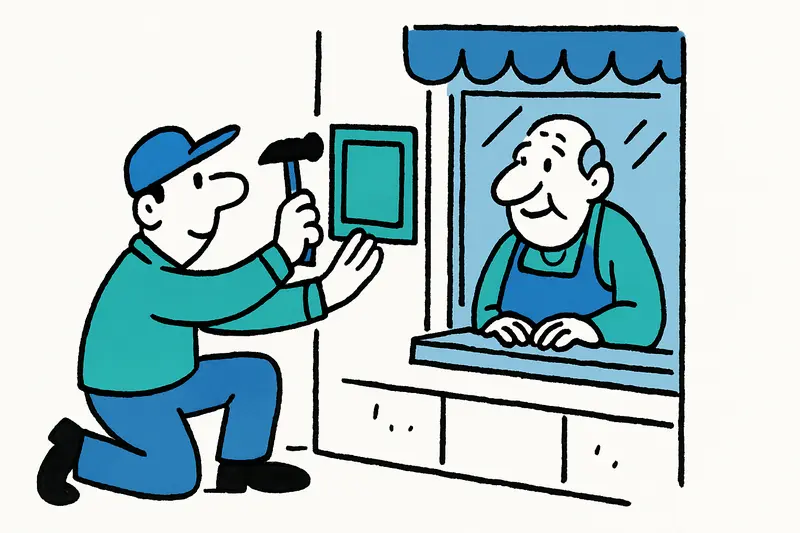
More than 400 traditional shops on the Balearic Islands: protection or a band-aid for a deeper problem?
The Balearic Islands have officially recognized over 400 traditional shops. Why the program matters — and why it can only be a first step against rising rents, online retail and tourist pressure.
An honorary place for traditional shops — and a question that remains
Early last week in Palma: the windows of a butcher's on the Carrer de la Pau were fogged by early breath, an old radio hit came from the back room, and the smell of fried chorizo hung over the pavement. The new program aims to preserve such moments — the government program that distinguishes more than 400 traditional shops. Nice. But the central question is: is an award enough to save these shops in the long term?
Why the initiative matters
These businesses are more than pretty shop windows. The shoemaker who has sat at the sewing machine since the '70s, the small jeweller who restores family rings, or the butcher on the square — they are neighborhood places, meeting points, memory banks. The program brings visibility, advice, tips on energy efficiency and small grants. At the markets in Alcúdia or in the narrow streets of Pollença you notice immediately: when the master is not there, it's not just a shop that's missing, but a piece of everyday life.
The limits of the accolade
But honors are not a rent brake. The islands are groaning under rising property prices, tourist turnover pressure and competition from the internet, even as a report shows retail growth driven by tourist purchases. A plaque on the shop window or a small energy-saving package changes nothing when the landlord doubles the rent or a big chain opens a branch on the pedestrian street. The program is useful — but it feels like a band-aid on a sore spot.
Issues that are too rarely on the table
The public discussion often focuses on the pleasant aspects: craftsmanship, tradition, the aroma of chorizo. Structural questions are discussed less: how many shop owners will be able to afford the lease in ten years? How does seasonal tourism affect business planning? And who helps with the digital transition — not just with a website, but with logistics for local delivery and smart pricing strategies? Recent survey of small shops in Mallorca highlights how acute these pressures can be.
Concrete opportunities and possible solutions
If we're honest, it takes more than good intentions. Some conceivable, relatively pragmatic measures:
Rental policy instruments: Municipal lease models or time-limited rent subsidies for certified traditional businesses could provide short-term relief.
Cooperative models: Cooperative shop spaces shared by several craftsmen reduce risks and create small network economies.
Digital support: Workshops for online sales, local delivery chains and shared web platforms that strengthen the profile of small shops — without stripping them of their soul.
Tourism management: Information campaigns for visitors encouraging them to visit local craft shops, combined with signage in towns — not just more flyers, but real incentives.
Building and energy grants: Subsidies for accessible entrances and energy efficiency in buildings reduce operating costs and protect the environment.
A call to the neighborhood
Honoring the 400-plus shops is a good start. But in the end customers, landlords and municipal politics decide whether a workshop, a shop or a market stall survives. Anyone who strolls over the cobblestones of the old town in the morning, hears voices from the back room or can touch a hand-sewn shoe knows: it's worth more than just putting up a plaque. It takes courage to regulate, creative financing models and a bit of civic courage when shopping — and yes, an occasional piece of chorizo to go.
For the curious: A walk through Palma, Pollença and Santanyí shows how much these shops contribute to the sound and smell of the island. If the owners have time, they are happy to tell you how it used to be — and why they don't want to give up. That should make us think.
Frequently asked questions
Why is Mallorca protecting traditional shops now?
Can traditional shops in Mallorca survive just with official recognition?
What kind of support do traditional shops in Mallorca actually need?
Are traditional shops in Palma still worth visiting?
What is special about traditional shops in Pollença?
How do rising rents affect small shops in Mallorca?
Do traditional markets in Mallorca still play an important role?
What can shoppers do to help traditional shops in Mallorca?
Similar News

Death in the Gorge: Key Questions on the Safety of Rallies on the Ma-10
A Porsche plunged into a ravine during the 550 Challenge near Mortitx. Who bears responsibility, what safety gaps were r...

Eighth BAF surge: Why freight costs in Mallorca are rising now — and what it means for us
Fuel surcharges (BAF) for ferries between the mainland and the Balearic Islands rose by around eight percent in October....

O'zapft is! Island Oktoberfest in Santa Ponca: Ten Days of Bavaria on Mallorca
From October 23 to November 1, Santa Ponca will turn blue and white again: Hofbräu beer, Schuhplatteln, a dirndl contest...
Sudden end at the gate: A 70-year-old dies at Palma airport — what now?
A 70-year-old French tourist collapsed at the gate of Palma airport and died despite resuscitation. Who is responsible f...

Rafa Nadal brings tennis greats to dinner in Port Verd – an evening at Sa Punta
For the anniversary of his academy, Rafa Nadal invited international tennis stars to his favourite restaurant on the eas...
More to explore
Discover more interesting content

Can Cap de Bou

Townhouse Lleo 72
