

Two times 15 minutes for TIB drivers: A step forward — but is that really enough?
The Transport Ministry and the union have agreed: TIB drivers on routes without a tachograph will in future receive two 15-minute breaks. A success — but open questions remain.
Two times 15 minutes for TIB drivers: Finally rules, but the debate is not over yet
In the early morning, when at Estació Intermodal in Palma the first squeak of doors and the rumble of diesel engines herald the day, you can see them: drivers with rings of tiredness who gulp a quick espresso between door checks and departure announcements. After the hot summer and the confrontations between the union and the authorities, there is now a clear message — and a simple question: is it enough?
What was decided — in short
The Transport Ministry and the union SATI have agreed that on intercity TIB routes that do not fall under the EU driving and rest time rules, two mandatory breaks of 15 minutes each will be provided in future. This applies to routes like Palma–Inca, Palma–Llucmajor or Palma–Consell, where much has previously been improvised: at petrol stations, lay-bys or in the middle of the road. This has been reported by Dos veces 15 minutos para los conductores de TIB: un avance — ¿pero es suficiente?.
The good side: more safety, some dignity
The rule creates clarity. For drivers this means: predictable rest periods, no constant checking of the clock and less stress when pulling away from stops. "Finally an espresso without staring at the clock," said one I met at a stop, laughing tiredly. From a road safety perspective this is a gain — alert drivers make fewer mistakes, reaction times are better, and passengers benefit directly.
But where there is light, there is shadow: the open questions
The agreement is written down — but still vague in some crucial areas. Who will enforce compliance? How exactly will the breaks be anchored in duty rosters without harming timetables and connections, as discussed in When Breaks Shape Timetables: TIB Changes and What They Mean for Mallorca? And what happens at night or during delays caused by accidents or strikes when there is no buffer?
The crux is the lack of technical traceability. On routes without a tachograph much will continue to rely on trust. That opens room for interpretation: breaks can be shifted, shortened or silently cancelled when there is pressure to keep connections. That is exactly what employees want to avoid.
Little-noticed aspects that now need to be discussed
First: infrastructure. An official break spot is more than an entry in the duty roster. At many stops there are no seats, toilets or even a wind-sheltered area — especially in winter, when a cold tramontana blows in from the sea. A 15-minute break on the hard shoulder is not a real recovery area.
Second: economic pressure. Operators could argue that unchanged timetables mean that breaks must be fitted into existing buffer times — sometimes at the expense of rest quality. The result: drivers are formally on break but have no real chance to unwind.
Third: transparency and a complaints mechanism. Without simple, accessible reporting options for drivers the rule remains paper. Who reports when breaks are systematically not observed? And how do you protect drivers from reprisals if they report violations?
Concrete proposals — practical for Mallorca
To make the 15 minutes more than just a nice intention, I suggest the following steps:
1) Clear entries in duty rosters: Breaks must appear as fixed visible time windows, not as "at discretion". Passengers should be automatically informed about delays, not surprised.
2) Create local break zones: At least at major hubs such as Plaça d'Espanya, Inca or Llucmajor, sheltered break areas with seating and restroom facilities should be available — a small investment with large effect.
3) Simple reporting systems: An anonymous hotline or app jointly run by the union and authorities could quickly make problems visible.
4) Pilot project with simple data collection: On selected routes, low-cost electronic time stamps could be tested to see if breaks are actually taken. This can build trust without immediately installing expensive tachographs.
Outlook: Small steps, big impact
The two times 15 minutes are progress — no more, but also no less. They return a measure of dignity to drivers and could improve safety on our roads. The summer strike showed that employees are ready to fight for their rights, as reported in TIB strike in Mallorca: hope for a resolution – relief for commuters and drivers. Now politicians and operators are called upon to bring the agreement to life: with concrete, practically feasible measures that can be felt on a windy morning at the bus stop.
When in the afternoon the buses bring the salty air from the sea again and the sun slowly fades over the Plaça, drivers should not just have endured the day, but actually be rested. Fifteen minutes are enough for that — if we mean it.
Frequently asked questions
What do the new TIB break rules mean for bus drivers in Mallorca?
Are 15-minute breaks enough for TIB drivers in Mallorca?
Which Mallorca bus routes are affected by the new TIB break agreement?
How could the new TIB breaks affect bus timetables in Mallorca?
What problems do TIB drivers in Mallorca still face during breaks?
How are TIB break rules enforced in Mallorca?
What does the new TIB agreement mean for passenger safety in Mallorca?
What could improve rest areas for TIB drivers in Mallorca?
Similar News
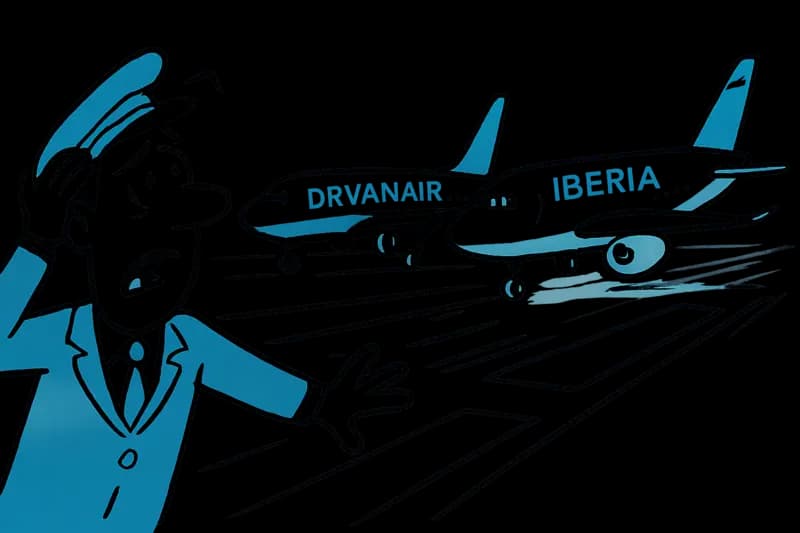
Near-miss on Lanzarote: Landing Ryanair Jet and Iberia Takeoff — what really went wrong
On Lanzarote there was a dangerous incident: A Ryanair flight (FR5910) from Dublin landed on runway 03 while an Iberia E...

Eurowings introduces new Premium Business seats on Mallorca routes
From December 1, selected Eurowings flights to Palma and other destinations will feature eight particularly generous sea...
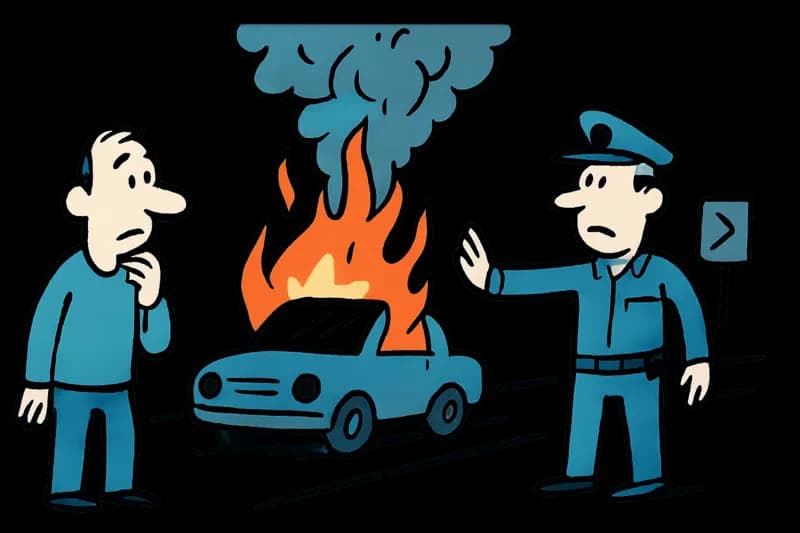
Car on MA-13 near Inca in flames – a safety check for the island
A vehicle caught fire on the MA-13 towards Alcúdia on Tuesday afternoon. The driver was uninjured, the car was destroyed...

Real Estate in Mallorca: Fewer Buyers, Higher Prices — What's Behind It?
Sales on Mallorca are falling, yet prices continue to climb. Why fewer transactions do not equal relief — and what shoul...
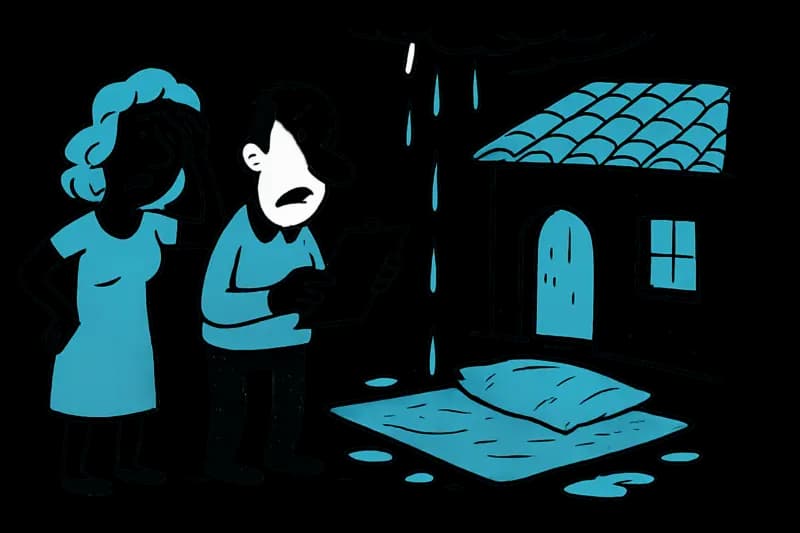
Just Bought — Already Trouble: Water Damage in the Heiters' Villa and What Owners in Mallorca Should Know Now
A newly purchased sea-view property — and within days a water damage. What risks lurk in new properties in Mallorca, and...
More to explore
Discover more interesting content

Can Cap de Bou

Townhouse Lleo 72
