
Back from the firefront: What Mallorca's responders really need
Four days in flames: teams from Palma and the Balearic Islands return from wildfires in Castile‑León. Exhaustion remains — and many questions about preparation and aftercare.
Four days, dusty wind and the long journey home
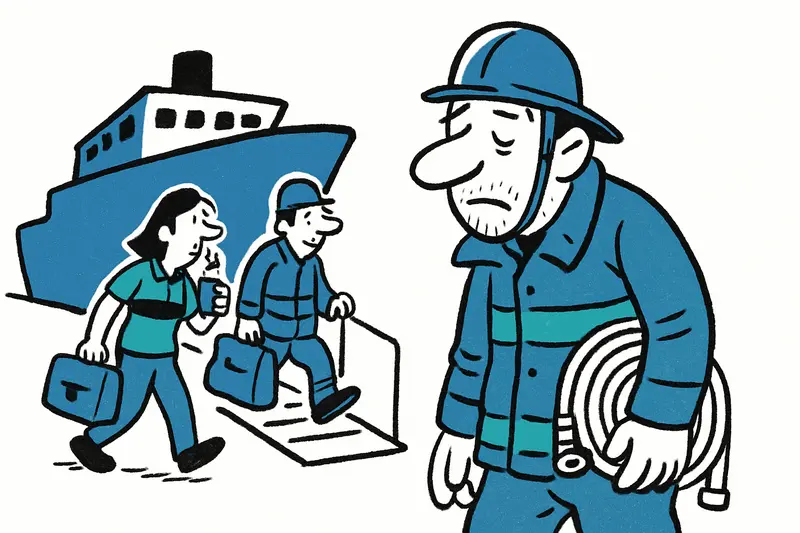
In the early morning you often see them already at the harbor: tired figures in worn boots, protective clothing still half damp, coffee cups in hand. The teams from Palma and other islands are returning today by ferry from a four-day deployment in Castile‑León, as reported in Balearic Islands Head to Castilla‑León: Solidarity, Logistics and the Uncomfortable Questions. The smell of smoke still clings to their memories, the last chocolate bars and small notes about smoldering hotspots that would not go away are in their pockets.
The key question: Are the Balearic Islands sufficiently prepared?
The central issue raised on the quayside is not new — and precisely for that reason it presses: How well are the Balearic Islands really prepared for large-scale wildfires? Four days in a foreign deployment area reveal strengths: rapid mobilization, experienced teams, effective cooperation with local forces. But they also reveal gaps that often go unnoticed in public debate: equipment wear, logistical burdens on long transport routes, and the psychological fatigue that does not appear in operational statistics. This concern has been highlighted elsewhere, notably in Spain is Burning: Fire Traces as Far as Mallorca – Is the Country Really Prepared?.
On site in Peranzanes (Province of León) the work often meant: searching for smoldering hotspots, holding fire lines, securing farmsteads. Laying hoses for hours, dusty wind, heat and occasional rain — an interplay that brought more hope than real relief. The Mallorcan helpers worked up to 14 hours a day in rotating shifts, sometimes into the darkness.
What is rarely mentioned: aftercare and equipment maintenance
Back on the islands, not only family awaits but also the tedious routine of aftercare: masks are sorted out, breathing apparatus checked, hoses cleaned. That sounds unspectacular, but it is crucial for operational readiness in the coming weeks. Under the noise of the harbor cranes, experienced firefighters quietly talk about bent couplings, brittle seals and the need for spare parts that are not available overnight.
"We hardly slept," says one of the helpers. The demands heard are not dramatic, but concrete points: regulated replacement rotations, funded maintenance windows, and professional psychosocial support after intense deployments. Without these building blocks, long-term solidarity risks weakening.
Logistics, training and the limits of voluntarism
The Balearic Islands benefit from committed volunteers — that is undisputed. But the question arises how long this form of support can be maintained under growing demands. Ferry transport routes, additional accommodation costs and the strain on families at home are real factors. Equally important is targeted further training. Fighting wildfires in a dry, dusty highland differs from operations in the Mediterranean shrubland on Mallorca. Exchange programs and regular joint exercises with mainland units could help here; the recent deployments are discussed in Mallorca's emergency crews head to the mainland: solidarity — and open questions.
Concrete proposals from the field
From the returnees' accounts, tangible solutions can be derived:
- Maintenance fund for equipment: A separate, publicly funded pool for spare parts and maintenance would enable quick repairs and secure operational readiness.
- Rotation schedules instead of continuous strain: Standardized deployment times and clearly regulated rest periods reduce exhaustion and keep readiness stable for longer.
- Psychosocial aftercare: Professional debriefings and low-threshold counseling offers after deployments prevent long-term burdens.
- Regional equipment pools: Store devices and spare parts centrally to be able to respond quickly when needed — especially important with long ferry transport routes.
The small things that often help
Amid all the technical debates, it is often small gestures that make a difference: a bowl of soup from an affected village, a freshly washed uniform at the harbor, a listening ear from a neighbor. For many helpers these signs of gratitude mean more than official statements.
Those who want to support can do so practically: donating equipment through established channels, giving blood, or supporting local aid organizations in Mallorca. And in everyday life: making room in the calendar for those who return — a warm meal and listening are often the first real aftercare.
The return of the responders is an occasion to calmly ask local politics and society again: Do we want to rely solely on short-term solidarity — or will we invest now in lasting structures so that help is effective and sustainable? The men and women who step ashore today with dirty gloves have answers ready. It would be good if we listened to them.
Frequently asked questions
How prepared is Mallorca for large wildfires?
What should I pack for a fire-prone summer in Mallorca?
Can wildfires in Mallorca affect travel plans?
What support do firefighters in Mallorca need after a major deployment?
Is it safe to visit rural Mallorca during wildfire season?
Why do Mallorcan firefighters travel to the mainland for wildfire support?
What happens when firefighters in Mallorca return from a long deployment?
How can people in Mallorca support fire and rescue crews?
Similar News
First Day, First Consequences: What Palma's Rent Freeze Really Means
A new decree stops a planned eviction in Palma — but what really changes for tenants and landlords? A reality check with...
When Housing Becomes a Matter of Survival: Mallorca Between Rental Frenzy and Everyday Life
The case of 87-year-old Maricarmen showed that on Mallorca many people's lives are poised between affordable and uninhab...
Autumn in Mallorca: When Melancholy Gets a Window
Why autumn quietly tightens here — and how to make use of the mood: walks, culture, candles and the light from Palma to ...
Near-miss on Lanzarote: Landing Ryanair Jet and Iberia Takeoff — what really went wrong
On Lanzarote there was a dangerous incident: A Ryanair flight (FR5910) from Dublin landed on runway 03 while an Iberia E...
Eurowings introduces new Premium Business seats on Mallorca routes
From December 1, selected Eurowings flights to Palma and other destinations will feature eight particularly generous sea...
More to explore
Discover more interesting content

Can Cap de Bou

Townhouse Lleo 72
