
Mallorca's emergency crews head to the mainland: solidarity — and open questions
Firefighters and paramedics from the Balearic Islands have deployed to the wildfire area in Castilla‑León. A powerful gesture of solidarity — but important questions remain about the island's safety and coordination.
We are going because help is needed — Mallorca sends helpers to the mainland
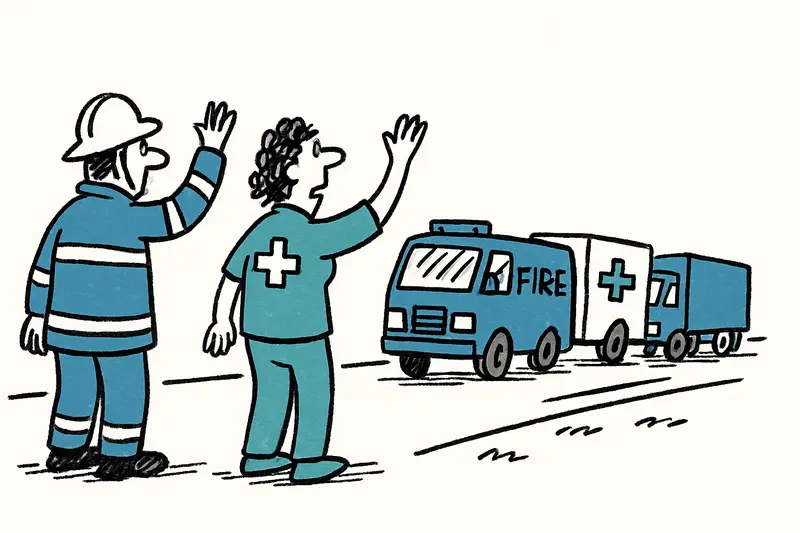
In the early hours of the morning there were port scenes we rarely see here on the island: crew vans, tents, breathing apparatus, ambulances — not bound for Cabrera or Formentor, but on their way to the mainland. Convoys rolled from Port d'Alcúdia via Menorca to Ibiza; the journey leads to the raging forests of Castilla‑León, as reported in Mallorca sends firefighters and medical teams to the mainland. It is moving and logical at the same time, but the gesture also raises a central question: is it responsible to send personnel away from an island that has its own hazards?
Why the Balearics are helping now — and what it means
The answer is simple: solidarity. Many helpers volunteered, some even interrupted their vacations, a fact covered by Mallorca sends firefighters and rescue teams to the mainland. A firefighter from Palma said quietly as the ferry departed: We are not going for the headlines, but because people are in danger. On the docks in Port d'Alcúdia the first cries of seagulls could be heard as they left, the air still carried the smell of wet seaweed — and yet: the dry forests on the mainland smelled just as urgent.
But the practical situation is complicated. The Balearics are not the mainland: steep terrain, different wind patterns, different radio and command structures. The teams are not meant to fight the flames alone there, but to act as reinforcement and coordination support. That can stabilise the situation — provided integration into local command structures goes smoothly.
Little noticed: the risks for the island
If 35 helpers are requested and only eight can go immediately, that sounds cautious. But what happens if a larger operation is needed on Mallorca in the coming days? Public debate often talks about the heroism of the helpers, rarely about reserve capacities. Tourist high season or not: vegetation periods with heat and wind can become dangerous here within hours.
Questions that should be asked: Who fills the gaps if the island needs support at short notice? Are there clear agreements on recalls? How long will the teams remain deployed, and how are rest periods, psychological strain and replacement personnel organised, points highlighted in Back from the fire front: what Mallorcan forces really need?
Coordination and equipment — small differences, big consequences
Technical compatibility sounds dry but can be decisive: hose connections, radio channels, breathing protection standards — if compatibility is missing here, valuable time is lost. On the ferries to Valencia and Barcelona colleagues checked their equipment; a quick glance, a nod, then departure. It often works because professionals improvise. But improvising is not the same as planned cooperation.
Another point: logistics. A military helicopter was dispatched to facilitate transports. Such air bridges help, but they are expensive and require detailed coordination between civilian and military control centres — especially with changing operational situations.
Opportunities and solutions — what we should expand now
Solidarity is there. We can build on that if we make structural additions. Concrete proposals:
- Clear mutual aid agreements: binding arrangements between regions that regulate recall periods, minimum strengths and replacement rules.
- Mobile reserve on the island: a small, constantly ready team with rotating personnel deployment so departures can be compensated for.
- Joint exercises: regular drill days with mainland brigades so radio, equipment and tactics harmonise.
- Psychosocial support: teams experience traumatic events; aftercare must be part of the deployment directive.
- Local prevention: public campaigns against discarded cigarettes, fire safety in tourism and firebreaks in pine forests — every hour of attention helps.
A look ahead
The images of the departing vehicles read like a small story: one place helping another. That is human and important. Nevertheless, it would be naive to celebrate only the good deed. It would be better to learn from this experience and create routines that both enable solidarity and do not undermine safety on Mallorca.
For walks in the Tramuntana pine forest or on the shore of Alcúdia bay the rules remain: keep your eyes open, no open fires, put out cigarettes. Small caution, big difference — the men and women who have just set off know this, and we should not forget it here either.
The helpers are on their way. Our task remains to ensure that providing help and staying safe are not contradictions.
Frequently asked questions
Why are Mallorca firefighters and rescue teams being sent to the mainland?
Is it safe for Mallorca to send emergency crews away during fire season?
How long do Mallorca rescue teams usually stay on the mainland?
What kinds of coordination problems can happen when Mallorca crews work on the mainland?
How does Mallorca support emergency teams after a deployment?
What should people in Mallorca do during high fire risk weather?
Can you walk in the Tramuntana during fire season in Mallorca?
What fire precautions are especially important around Alcúdia Bay in Mallorca?
Similar News
Masked Images, Real Panic: When Social Media Aesthetics Alarm Neighbors
Five German content creators filmed on a recently vacated detention site using deceptively realistic props. The result: ...
Why the Striped Breams in Cala Pí Should Be a Wake-up Call
Once again bathers in Cala Pí were surrounded while swimming by small, nippy fish — some wounds bled. Time for clear rul...
Daily from New York: How Palma's Air Traffic Is Growing — and What Must Change
United will increase the Newark–Palma service to daily flights in 2027 (Boeing, 231 seats). Strong tourist numbers clash...
When Love Ends in Shards: Destruction in Son Vida and the Questions That Remain
In Son Vida a relationship dispute escalated: a woman destroyed furniture in a luxury villa, later pressed a panic butto...
Who Bears the Burden? Mallorca Between Tenant Protection and Landlord Fears
Madrid's new housing decrees strengthen tenant rights — but on Mallorca concern is growing: will the law drive small lan...
More to explore
Discover more interesting content

Can Cap de Bou

Townhouse Lleo 72
