
Ballermann 2026: Heat, crowded promenade and rising prices – how much longer?
Ballermann 2026: Heat, crowded promenade and rising prices – how much longer?
Bright sunshine, over 35 degrees in the shade and busy venues at Playa de Palma: Tourists enjoy the parties, restaurateurs sweat — and the price tags raise eyebrows. A critical assessment.
Ballermann 2026: Heat, crowded promenade and rising prices – how much longer?
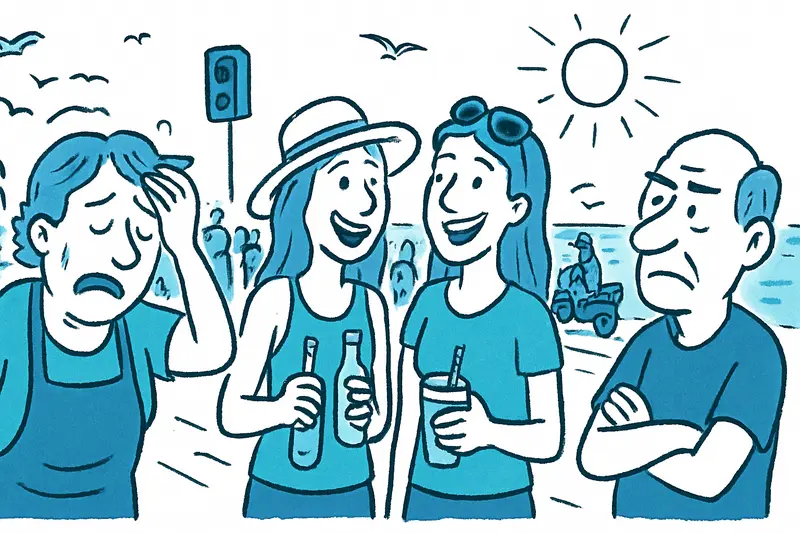
The sun is blazing, loudspeakers pump out pop and schlager, and the beer street is full of voices: this is what an August afternoon at Playa de Palma looked like this summer. Over 35 degrees in the shade, humidity clinging to skin and T-shirts. At Balneario 7 beach towels and sunbeds are squeezed together; a delivery scooter passes between loungers and the promenade, seagulls circle and somewhere ice cubes clink in a glass.
My guiding question is simple: How future-proof is this kind of tourism when heat, high costs and safety concerns simultaneously shape everyday life? This is not a theoretical exercise but something already noticeable here on the promenade.
Critical analysis: heat, technology and economics
The persistent heat hits especially those establishments that operate outdoors. Beer gardens without air conditioning use fans; guests retreat to their hotels or seek out pools — places where shade and moving water provide real relief. For businesses this means lower revenues at times when the drink tills used to be full. At the same time investments are needed: renovations, refurbishments, sometimes taking over vacant spaces entirely. That costs money — and is reflected in the price tags.
And yes: looking at the prices makes you flinch. A Maß (one-litre beer) in some large venues comes to around 17 euros. For holidaymakers this is a noticeable item in the evening budget; for regulars and local households the consequences are more complex: higher costs for employees, greater pressure to offer competitive deals, and the question whether the mix of party tourists and everyday guests still fits.
What is missing from the public discourse
There is much talk about noise and order, less about heat-related consequences: working conditions for service staff in extreme heat, drinking water supply at heavily frequented beaches, or shaded infrastructure for older visitors. Communication about prices and quality standards often falls by the wayside; transparency is lacking, for example on controls of poured quantities or additional charges. And one topic hardly on stage: long-term adaptation to a warmer climate — not just temporary fans, but structural solutions.
A slice of everyday life that says a lot
In the late afternoon a bar owner sits in front of her venue on the second line from the sea and wipes sweat from her forehead. Two young tourists from Switzerland laugh about a lively performance at the Bierkönig; an older gentleman on the well-known seafront wall looks out at the calm, warm sea and shakes his head at the "bathtub temperature." Couples stroll along Schinkenstraße, a DJ switches tracks, and a T-shirt vendor has become rarer — the scene feels familiar and slightly altered at the same time.
Concrete approaches to solutions
The island needs pragmatic measures that are noticeable everywhere: more shady areas at beaches, free drinking water stations, mandatory rest and cooling times for outdoor workers, subsidies for small businesses investing in climate-efficient technology, and transparent price displays at venues. In addition: a targeted information campaign for visitors on behaviour in heat and on safety standards. Municipal authorities, industry associations and hoteliers would need to put together a package — fundable and with clear controls.
What this means for restaurateurs and guests
Some operators invest and expand their offerings because regulars trust them. Others complain about fluctuating afternoon revenues when the sun is at its peak. For guests it means: plan more consciously, adjust budgets, and increasingly look for cooler alternatives — go into the water earlier in the day, enjoy the music later in the evening.
Conclusion: Ballermann remains a place of loud joie de vivre, but it stands at a crossroads. If heat-related limitations, rising prices and safety concerns are not considered together, there is a creeping risk of losing the balance that has defined the beach, bars and promenade so far. Small, concrete measures could help make summers more heat-resistant, fairer and more transparent — otherwise what remains of the good mood at the end may be mostly a sweaty souvenir photo and an empty wallet.
Frequently asked questions
When is the best time to visit Mallorca for good weather and fewer crowds?
What should I pack for a Mallorca getaway in spring?
Is it safe to swim at Mallorca beaches?
What are the best ways to get around Mallorca without a car?
What cultural etiquette should I know when visiting Mallorca?
What are good day trips from Palma to experience Mallorca?
What food is Mallorca known for, and where should I try it?
Is there a good time for water activities like swimming or snorkeling in Mallorca?
Similar News
Stolen Motorcycle in Palma: Fatal Crash in Coll d'en Rabassa Shortly After Theft
A motorcycle parked on Plaza Miquel Dolç in Son Gotleu was reportedly stolen in the early hours. Hours later two men cra...
When More Guests Mean Less: Mallorca's Restaurants at the Limit
Despite record visitor numbers, the revenues of many restaurants are shrinking. Why more visitors don't automatically me...

Stolen motorcycle, high-speed escape, deadly crash: An accident in Palma that raises questions
A motorcycle stolen in Son Gotleu ended up hours later on the Cardenal-Rossell in Coll d'en Rabassa in a deadly collisio...

Found dead in Son Gotleu: Dog walk ends fatally — what is missing in the investigation?
A 68-year-old man was found dead on Sunday morning on Tomás Rullàn street in Son Gotleu. According to his partner, he ha...

Theft at Playa de Palma: How safe are tourists at night?
At Playa de Palma street vendors snatched a gold chain worth around €5,000 from a tourist. The National Police intervene...
More to explore
Discover more interesting content

Boat Tour with BBQ along Es Trenc Beach
Private transfer from Mallorca Airport (PMI) to Pollensa
