
Empty Sun Umbrellas, Full Shopping Bags: Why Mallorca's Beach Economy Is Faltering
Fewer sunbeds, less revenue: operators at Playa de Muro and Can Picafort report losses of up to 20%. Is this just a temporary situation—or a turning point for Mallorca's beach culture?
An Unfamiliar Sight on Mallorca's Coasts
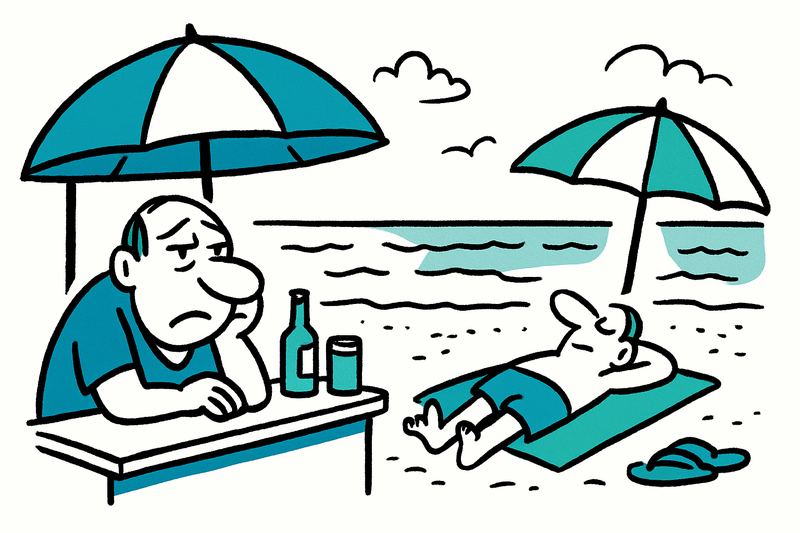
When the July wind carries the salty air over Playa de Muro, you would normally hear the clicks of sun loungers, the clink of ice cubes in plastic cups and the laughter of children. This year many things are quieter. Fewer sun umbrellas stand in rows, and more towels lie on the sand without a lounger beneath them. Rental operators and beach bars complain: reports of up to 20% lower revenues, staff shortages and increased considerations of closures are now part of everyday life.
The Central Question
Is this a short pause after two boom years—or a structural change that will permanently alter Mallorca's beaches? This is the guiding question when you combine the explanations from providers and observations on site.
Higher Prices, Tighter Wallets
The most common answer is simple: holidays are getting more expensive. Hotel accommodation prices in the EU have risen, and air fares, energy and personnel cost more. Many guests react immediately: they forgo the small extras on the beach. "This year we skip the loungers and buy drinks at the supermarket," says a visitor carrying a bag full of water bottles and his own provisions. Such statements are heard often, and they explain part of the decline: fewer bookings for sunbeds are causing revenue losses.
What Often Gets Overlooked in Public Debate
There are aspects that have been less examined so far. First: the cost structure of providers. Deck chairs, sun umbrellas and beach equipment are often imported, and their prices correlate with transport and energy costs. Second: regulatory rigidity. Concessions, pitches and opening hours are strictly regulated. Small operators cannot react flexibly—such as lowering prices at short notice or offering services in different locations. Third: the employment issue. Seasonal employment trends in Europe show that rising living costs and uncertain income reduce the willingness to work on Mallorca.
The Environmental and Public Interest Perspective
An unexpected side effect: some holidaymakers find the quieter beach sections relaxing. Without constant sales noise, coves feel more natural and bird songs are easier to hear. That is no surprise: less infrastructure means more open beach. But this has two sides. If rental operators give up, a privatizing logic may threaten: corporations could fill the gaps, or unregulated providers without hygiene standards could emerge. Public accessibility and safety could suffer.
Concrete Opportunities and Approaches
The situation is also an opportunity if municipalities, operators and hoteliers pull together. Some possible measures:
Flexible pricing: Dynamic daily offers or half-day rates would attract price-sensitive guests without destroying base revenues.
Bundled offers with hotels: Cooperations—such as loungers included with certain room categories or discounted beach packages—could bring guest steering and planning security.
Digitalization: A simple booking app for loungers and beach service reduces idle times and gives operators forecasting security.
Diversification: Instead of only renting loungers, providers could offer local snacks, environmentally friendly sun protection solutions (e.g. solar charging stations on umbrellas) or small experience offers (yoga, beginner SUP courses).
Municipal support: Short-term fee reductions for concessions or temporary financial aid could save small businesses through a difficult season.
What the Future Might Bring
If the price spiral continues, a two-tier beach landscape threatens: high-end, expensive zones with comfort and secluded offers and larger areas with less service—or even a reduction of public spaces. That would be problematic not only economically but also socially: day visitors and locals could be excluded from affordable beach offerings.
On the other hand, rethinking could also bring good things: more sustainable concepts, greater local value creation and a more relaxed beach routine without constant pressure to consume. For many operators this means: getting more creative, seeking partnerships and making their voices heard by the municipalities.
One Last Look at the Sea
In the afternoon, when the heat shimmers and the boats glide by quietly, the beach looks a little different than it did two years ago. The seagulls cry, children build sandcastles and some operators are refining new ideas. Whether the outcome is renewal or a setback depends not only on the market. It depends on whether politicians, the tourism sector and the people here in Mallorca recognise the signs of the times—and act together.
Frequently asked questions
Why are beach bars and sunbed rentals in Mallorca seeing fewer customers this summer?
Is it still worth booking sun loungers in Mallorca, or are more people skipping them now?
What is changing on Mallorca beaches when fewer rental beds and umbrellas are available?
Why are Playa de Muro and other Mallorca beach areas feeling quieter than usual?
Are Mallorca beach bars and rental operators struggling with staff shortages?
What can Mallorca beach businesses do to attract more visitors again?
Could Mallorca end up with two very different types of beach areas?
Is a quieter beach scene in Mallorca necessarily a bad thing?
Similar News

Near-miss on Lanzarote: Landing Ryanair Jet and Iberia Takeoff — what really went wrong
On Lanzarote there was a dangerous incident: A Ryanair flight (FR5910) from Dublin landed on runway 03 while an Iberia E...

Eurowings introduces new Premium Business seats on Mallorca routes
From December 1, selected Eurowings flights to Palma and other destinations will feature eight particularly generous sea...

Car on MA-13 near Inca in flames – a safety check for the island
A vehicle caught fire on the MA-13 towards Alcúdia on Tuesday afternoon. The driver was uninjured, the car was destroyed...

Real Estate in Mallorca: Fewer Buyers, Higher Prices — What's Behind It?
Sales on Mallorca are falling, yet prices continue to climb. Why fewer transactions do not equal relief — and what shoul...
Just Bought — Already Trouble: Water Damage in the Heiters' Villa and What Owners in Mallorca Should Know Now
A newly purchased sea-view property — and within days a water damage. What risks lurk in new properties in Mallorca, and...
More to explore
Discover more interesting content

Can Cap de Bou

Townhouse Lleo 72
