
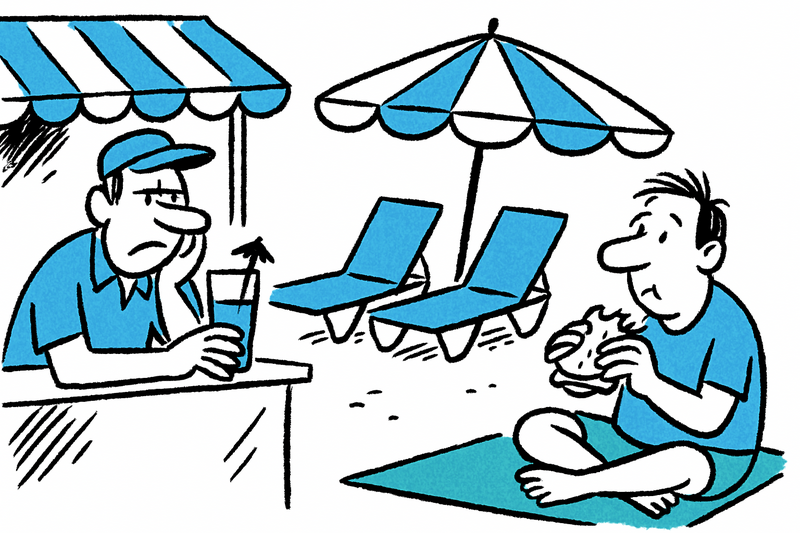
When the Beach Stays Empty: How Mallorca's Sunbed Renters and Chiringuitos Are Fighting to Survive
At Playa de Muro and Can Picafort, rows of sunbeds have thinned out; beach bars report up to 20% lower revenues. Who pays the price — and what answers do operators have?
Emptier sunbeds, quieter bars: the pressing question
The sun is beating down, the waves roll gently onto the sand — and yet in some places on Mallorca there is more visible sand than sunbed surface. The central question is: How long can small beach operators absorb this drop in income before the coastal offer changes permanently? Local reporting has documented similar shifts Empty Sunbeds, Tight Coffers: Mallorca's Beach Economy Under Pressure.
Playa de Muro or Can Picafort: places where past summers saw colorful parasols standing shoulder to shoulder. Today you more often see towels from apartments, families who prefer the hotel pool, and tourists bringing snacks from the supermarket. During the morning setup you no longer only hear the click of folding chairs but also the distant drone of buses unloading guests near the beach. At first glance this looks like a short-term trend. On closer inspection, there is more to it.
What is behind the decline?
Official figures are sparse, but operators report revenue losses of around 20 percent compared to the previous year, as noted in Empty Sun Umbrellas, Full Shopping Bags: Why Mallorca's Beach Economy Is Faltering. Commonly cited causes include higher flight and hotel prices, changed spending behavior of holidaymakers, and the rise of short trips where priorities are set differently.
Less noticed is the fact that demand has changed qualitatively. Younger travelers book more often through aggregators and focus more on saving. Older guests come more deliberately and stay longer but often spend less on extras. Structural factors also play a role: higher wages and energy costs, stricter rules for beach use, and rising concession fees squeeze the margins of small providers.
For many, the chipboard of the sunbed holder is no longer a luxury item but part of a complex calculation.
Consequences for the island's economy
Mallorca's economy lives off the beach, the faint clink of cocktail glasses in the evenings and small impulse purchases throughout the day. If beach bars shrink or sunbed renters reduce their areas, this affects not just individual entrepreneurs but the entire tourist infrastructure: fewer jobs for seasonal workers, less turnover for regional suppliers — from the ice-cream vendor to the beverage partner.
Family-run businesses with little savings are particularly at risk. Large hotels can better absorb price fluctuations; small operators often have no safety net. One operator in Can Picafort puts it bluntly: "We have to get creative, otherwise it will get tight." This is not an alarmist cry but a realistic scenario for some coastal towns.
Aspects that are rarely discussed
There are some less visible factors that are hardly talked about: the digital visibility of small providers, the lack of cooperation with hotels outside the big chains, and the administrative burden of concessions, which is often underestimated. Many renters have no website, operate without online booking and thus miss potential revenue sources — especially in the pre- and post-season. Further coverage details fewer bookings and revenue impacts Emptier sunbeds, growing worries: How is Mallorca reacting to more frugal beachgoers?.
Another point is local price perception. Is a sunbed for 12 euros really too expensive — or does it feel that way because the package price of the flight already hurts? Psychology plays a role: bundled offers with snacks or family discounts can change perception.
Concrete: Opportunities and approaches
What can operators and municipalities do now? Some pragmatic ideas that already work in other parts of Europe could also be considered for Mallorca:
1. More flexible pricing models: Half-day or time-slot pricing (cheaper mornings, more expensive midday), family packages and combo offers with drinks or transfers.
2. Cooperation instead of competition: Joint booking platforms for local providers, partnerships with small hotels and apartment owners, bundling services (parasol + SUP rental).
3. Digitization: Online booking, mobile payment, simple reservation via WhatsApp — this reduces empty slots and makes offers visible.
4. Experience instead of just a sunbed: Small evening events, local food takeovers, live music with neighbors — this creates reasons to stay longer and spend more.
5. Municipal relief: Temporary reduction of concession fees in weaker months, simplified approval procedures for pop-up offers and joint marketing campaigns for beaches.
Looking ahead
The island is at a crossroads: either a creative adaptation process emerges — digital, collaborative, experience-oriented — or many small providers shrink. Both scenarios have consequences for the familiar sounds of summer: fewer voices, less music, less clinking of ice-cream cups in the evening sun.
There remains room for optimism. Mallorca is adaptable and entrepreneurs are inventive. But the clock is ticking. If politics, tourism chains and local providers take pragmatic steps now, a bleak low season can become a lively beach again — with colorful umbrellas, laughing children and the smell of freshly fried fish in the air.
Frequently asked questions
Why are some Mallorca beaches looking emptier this summer?
Is it still worth renting a sunbed in Mallorca?
What is affecting chiringuitos on Mallorca beaches?
When is the best time of year to visit Mallorca beaches if you want them quieter?
What should you pack for a beach day in Mallorca if you may skip the sunbed?
Why is Playa de Muro getting attention from beach businesses in Mallorca?
How is Can Picafort affected by fewer beach visitors?
What can Mallorca beach operators do to attract more customers?
Similar News
The End of the Cheap Ride? Why Mallorca Is Hit Harder by the Fuel-Price Shock
Gasoline and diesel average close to two euros per liter. What this means for commuters, supply chains and renters in Ma...
Relaxed liquid rules in Munich: What Mallorca travelers will notice
At Munich Airport the 100-milliliter rule will be lifted at all checkpoint lanes — thanks to new CT scanners passengers ...
For 45 Years on Mallorca — and Then This: How a Market Visit in Santa Ponsa Became a Lesson
A woman who has lived on the island for decades lost money and important documents at the Mercat Setmanal in Santa Ponsa...
10 percent surcharge on the beach: How legal and transparent is the extra charge at Playa de Muro?
A German part-time resident noticed days after a restaurant visit in Playa de Muro that the bill included a flat ten per...
Body near the Llevant Market: What this death says about our city
A man was found dead on Sunday afternoon near the Llevant Market. Police say the death appears natural. The scene raises...
More to explore
Discover more interesting content

Can Cap de Bou

Townhouse Lleo 72
