
Empty Sunbeds, Tight Coffers: Mallorca's Beach Economy Under Pressure
At popular beaches like Playa de Muro and Can Picafort more sunbeds remain empty this summer: rental operators and beach bars are experiencing revenue declines that run deeper than just the warm sand.
A summer day, but different: thin wallets, towels spread out
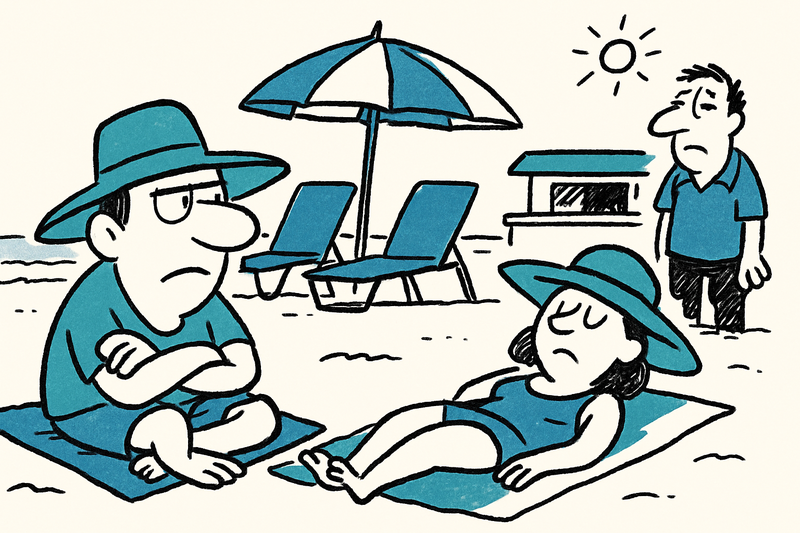
In the morning the typical smell of sea and sunscreen drifts along the promenade, the seagulls cry, and yet much looks familiar and a little leaner than usual. Instead of the usual patchwork of rented sunbeds you now see more towels spread directly on the sand. Especially at well-known stretches like Playa de Muro or Can Picafort the flood of rental customers is missing – with noticeable consequences for rental companies and the adjacent beach bars. Local reporting, such as Emptier sunbeds, growing worries: How is Mallorca reacting to more frugal beachgoers?, highlights the effect on rental companies.
Why are the sunbeds empty?
One of the most obvious reasons: rising travel costs. Higher flight and hotel prices leave many holidaymakers with a smaller budget for extras. A day without a rented sunbed only saves a few euros, but it adds up over a holiday as a conscious saving strategy. "You notice immediately that fewer people come to us," says a renter at Playa de Muro who has been setting up parasols and sunbeds for years.
But that is not the whole story. Many guests come for shorter stays or travel more flexibly – weekend trips instead of two-week stays – and therefore book additional services less often. Others have simply changed the way they spend time on the beach: self-sufficient solutions like folding chairs, camping chairs or personal sunshades are gaining popularity. For operators this means: fewer walk-in customers and more uneven income.
Who else is suffering – and what costs lie behind the scenes
Not only sunbed renters are affected. Chiringuitos and beach bars also report significantly lower revenues; association figures speak of double-digit percentage declines, as reported in When the Beach Stays Empty: How Mallorca's Sunbed Renters and Chiringuitos Are Fighting to Survive. The reasons are not only lower guest spending but also rising operating costs: higher energy prices, more expensive procurement of goods and increased personnel costs squeeze margins.
In addition, the precarious situation of many seasonal workers burdens the businesses. Without a reliable core staff, operators can react less flexibly to demand. And insurance costs or fees for beach concessions are hardly variable for small operators – fixed costs remain.
Aspects often missing from the public debate
Public discussion usually focuses on tourist numbers or overnight statistics. Less attention is paid to how consumption behaviour shifts within target groups: younger travellers often prefer cheap, non-commercial beach days; families with children pay more attention to overall affordable costs. Also rarely discussed is the effect of micro-trends like sustainable travel behaviour. Some guests avoid rented plastic sunbeds for environmental reasons, a trend covered in Empty Sun Umbrellas, Full Shopping Bags: Why Mallorca's Beach Economy Is Faltering, or bring their own textile solutions.
The role of infrastructure is also important: parking fees, beach-near bus connections or affordable access to sanitary facilities influence whether visitors spend a whole day at the beach – and therefore whether they spend money with renters or bars.
Concrete opportunities and solutions
The situation is serious, but not hopeless. Some ideas that come up in conversations with operators are pragmatic and quick to implement:
Flexible pricing models: Day and short-term rates, family packages or "happy hour" discounts in the late afternoon could attract guests in the short term.
Cooperation with hotels and landlords: Bundled offers – sunbed plus transfer or beach rental with breakfast at the chiringuito – increase the perceived added value.
Digital visibility: Mobile booking, simple online payment and social media campaigns attract spontaneous visitors and reduce administrative effort.
Quality over quantity: Some operators focus on sustainable materials, ergonomic sunbeds or shade-providing structures as unique selling points – this justifies higher prices for a better experience.
Municipal support: Short-term fee adjustments or marketing support from municipalities would relieve small operators and appeal to tourists again.
An outlook with room for pragmatism
The central question remains: will this be a temporary intermezzo or a lasting structural change? The answer probably lies somewhere in between. Mallorca remains attractive – sun, sea and familiar beach sounds are still there. But the way people structure their holidays is changing: more flexible, cost-conscious, with a growing focus on sustainability.
For the many operators along the coast this means: adapt, experiment and collaborate more closely. Sometimes a better shop window on the promenade, a timely price adjustment or a small combo ticket with a hotel is enough to make a beach spot desirable again. The question is whether there is enough courage and creativity to experience the next summer with full occupancy once more.
Frequently asked questions
Why are there fewer rented sunbeds on Mallorca beaches this summer?
Is it cheaper to spend a beach day in Mallorca without renting sunbeds?
What does the drop in beach spending mean for Mallorca beach bars?
What are the best ways to save money on a beach holiday in Mallorca?
Why do some people in Mallorca prefer bringing their own beach chair or parasol?
Are Playa de Muro and Can Picafort seeing fewer sunbed rentals?
What can Mallorca beach rental companies do when demand drops?
Is Mallorca still a good place for a beach holiday if people are spending less?
Similar News

Release after bloody attack in Palma: Why the court's decision raises questions
An 18-year-old who allegedly inflicted a serious neck injury on a man at Plaza Gomila using a wristwatch wrapped around ...
Kidnappings in Inca: Three young men forced into car trunks and abused in the forest – a reality check
In Inca, three 18-year-old men were forced into car trunks by masked assailants at the Plaça des Bestiar, taken to a for...
Spreading Massification: The Brake That Still Has Much Work to Do
Marga Prohens announces limits on volume tourism. The measures sound harsh — but are they enough to save everyday life, ...

Through the Keyhole onto the Party Yacht: How Daniela Katzenberger Is Planning Her 40th on Mallorca
Daniela Katzenberger turns 40 and wants to celebrate it on the island — likely with a boat, cake and her mother. A relax...
By Boat Instead of the Road: Palma's Water Bus — a Reality Check
The 'Bus Nàutic' launches in two stages — but questions remain over interim operations, fares and environmental requirem...
More to explore
Discover more interesting content

Can Cap de Bou

Townhouse Lleo 72
